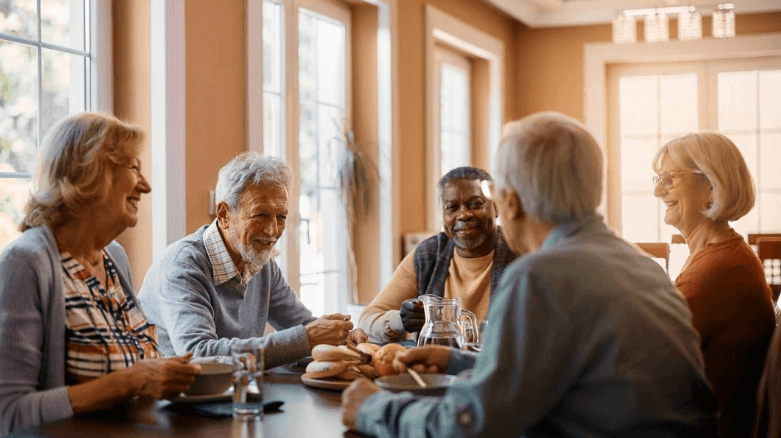
How much time do you spend connecting with friends and family each week? For many aging adults, the answer might surprise them. Research and clinical observation have consistently shown that social connections play a critical role in determining health outcomes and quality of life as people grow older. The relationships you maintain, the programs you participate in with others, and your sense of belonging within a community directly influence everything from cognitive function to physical wellness. Understanding this connection between social engagement and healthy aging can help you make informed decisions about how to structure your life and relationships in your later years.
How Social Engagement Supports Physical Health
Your body responds positively to meaningful social interaction in measurable ways. When you engage regularly with others, your cardiovascular system, immune response, and even your longevity can improve. People who maintain strong social networks tend to have lower blood pressure, reduced inflammation, and better overall physical functioning compared to those who are isolated. Social interaction stimulates the release of hormones that support healing and protect against chronic disease. For example, spending time with friends might include programs such as walking together, attending community events, or sharing meals, all of which combine social connection with physical movement. The combination of relationship building and physical movement creates a meaningful effect on your long-term health outcomes.
Mental Health and Cognitive Benefits of Connection
Your brain thrives when you maintain regular social contact throughout your aging years. Engaging in conversation, collaborative problem-solving, and shared programs keeps your mind challenged and engaged. Social engagement has been shown to slow cognitive decline and support memory function in ways that isolated individuals do not experience. When you participate in meaningful conversations or group programs, you activate multiple areas of your brain simultaneously, which strengthens neural connections and preserves mental sharpness. Research in gerontology consistently demonstrates that people with strong social lives report lower rates of depression, anxiety, and other mental health concerns. Having people who care about your wellbeing also provides emotional support during difficult times and creates a sense of purpose that contributes to overall psychological resilience.
The Role of Community and Belonging in Healthy Aging
Feeling part of a community is fundamental to your sense of identity and wellbeing as you age. Your need for belonging does not diminish with time; in fact, it often becomes more significant when other aspects of life change. Communities can take many forms, including neighborhood groups, faith-based organizations, hobby clubs, volunteer opportunities, or senior living communities designed specifically to foster connection. For aging adults who are exploring community options that prioritize social wellbeing, Seaton Sharpsburg Pike offers Independent Living, Assisted Living, and Memory Care options where residents have ongoing access to life enrichment programs, social events, and shared spaces that support meaningful daily connection. When you have a place where you feel welcomed and valued, you are more likely to engage in regular social interaction and maintain the relationships that support your health. Many communities offer group programs, wellness events, and social gatherings where residents connect around shared interests such as art, music, or outdoor recreation, reinforcing the sense of belonging that benefits long-term health.
Taking Steps to Build and Maintain Social Connections
Creating and nurturing your social network requires intention and sometimes effort, but the investment pays dividends throughout your life. You might start by reconnecting with old friends through phone calls or regular visits, joining groups centered on programs you enjoy, or volunteering in your community. If mobility or transportation presents a challenge, many communities now offer virtual programs and events that allow you to connect with others from your home. Some people find that moving to a community setting where social connection is built into daily life removes barriers to engagement. Whether you participate in book clubs, fitness classes, educational programs, or casual social gatherings, the key is finding programs that appeal to you personally. Even small amounts of regular social contact provide meaningful benefits, so you do not need to commit to extensive involvement to experience the positive effects of connection.
Conclusion
Social connections form the foundation of healthy aging by supporting your physical health, protecting your mental wellbeing, and creating a sense of belonging that enriches your life. The evidence is clear that people who maintain meaningful relationships and participate in community life experience better health outcomes, greater satisfaction, and improved quality of life throughout their aging years. Whether you strengthen existing relationships, explore new communities, or participate in programs and events, prioritizing social engagement is one of the most valuable investments you can make in your long-term wellbeing. The connections you build and maintain today directly influence the person you become and the experiences you enjoy tomorrow. Taking steps now to nurture your social network ensures that you have the relationships and community support that matter most as you age.