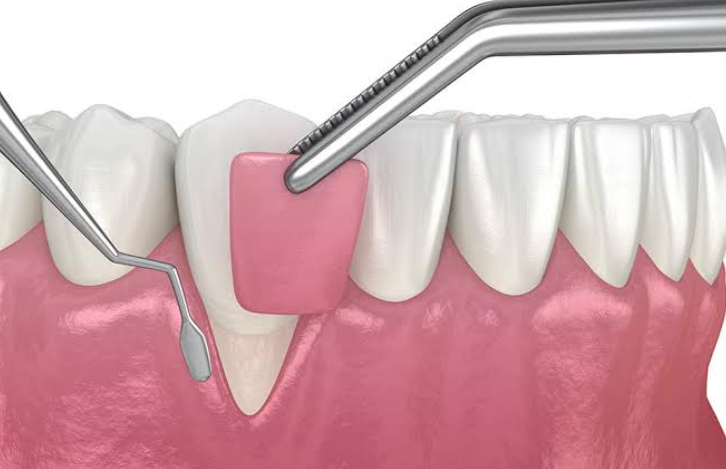
You finally get to the stage where your dental implant is ready for the crown, and then you hear that the gum tissue still needs to be shaped. That can feel frustrating. You may have thought the hard part was over, only to learn that the look of the final tooth depends on more than the implant itself. In advanced implant dentistry Berkeley, the crown can be strong and well placed, but if the gum line around it looks flat, bulky, uneven, or dark, the result may still feel off every time you smile.
This is where cosmetic planning matters. How Cosmetic Dentists Shape Gum Tissue Around A New Implant Crown comes down to guiding the soft tissue so it frames the new tooth in a natural way. The goal is not only function. It is symmetry, clean contours, support for the crown, and a gum line that blends with the teeth next to it. A skilled implant and cosmetic dentist uses the temporary crown, tissue conditioning, and sometimes minor soft tissue procedures to help the gums heal into the right form.
Gum shaping around an implant crown affects the final look
Natural teeth emerge from the gums with a gentle curve and a small collar of tissue that hugs the tooth. Implants do not erupt through the gums that way. They are placed into bone, then restored in stages. That means the gum tissue often needs help learning where to sit. If it is left too thick or unsupported, the crown may look longer, wider, or more artificial than you expected.
You see this most often in the front of the mouth, where even a slight mismatch in the gum line draws the eye. A person can have a well integrated implant and still feel self conscious because one tooth looks different in photos. That is why implant crown gum contouring is often part of cosmetic implant care, not an extra detail added at the end.
The process usually starts with a healing abutment or a temporary crown. These pieces do more than fill space. They shape the soft tissue little by little. The dentist may adjust the temporary restoration over time so the gums form a natural emergence profile, which is the way the crown seems to rise out of the tissue. Research on implant soft tissue management continues to show how much peri implant tissue shape affects esthetics and long term maintenance, especially in visible areas of the mouth, as described in this review of peri implant soft tissue augmentation and contour management.
Cosmetic implant dentistry uses tissue support, timing, and precision
There is a practical reason this stage takes time. Gum tissue responds slowly, and rushing it can create problems. If the final crown is placed before the tissue is stable, the margin may end up exposed, food may trap more easily, and cleaning may become harder. If the tissue is overcompressed, it can look white, irritated, or recede later.
A cosmetic dentist studies several things at once. Bone support matters. Tissue thickness matters. The smile line matters. The shape of the neighboring teeth matters. If one front tooth has a sharp gum peak and the implant side is rounded, the mismatch is obvious. If the tissue is thin, the metal or shadow beneath can show through. In some cases, a graft is needed to add volume before the final crown goes in.
Basic implant placement is only one piece of treatment. According to MedlinePlus information on dental implants, implants replace missing teeth by anchoring an artificial tooth to the jaw. What many patients do not realize at first is that replacing a tooth and recreating a natural looking tooth are not always the same task. soft tissue shaping for dental implants bridges that gap.
This attention to tissue is not cosmetic in a superficial sense. Oral health data continues to show that appearance, function, comfort, and maintenance are tied together. The National Institute of Dental and Craniofacial Research report on oral health in America details how oral conditions affect daily life, confidence, and quality of life. When an implant crown fits the gums well, brushing is easier, speech often feels more natural, and the tooth tends to feel like part of your mouth rather than a separate object.
Common gum tissue shaping methods around a new implant crown
| Method | What it does | Best use | Main concern |
|---|---|---|---|
| Healing abutment | Supports early gum healing around the implant | Initial tissue formation after implant uncovering | May not create ideal esthetic contour alone |
| Custom temporary crown | Gradually molds the gum into a natural shape | Front teeth and visible smile areas | Needs careful adjustment over multiple visits |
| Soft tissue graft | Adds thickness or volume to thin or recessed gums | Thin tissue, dark show through, contour loss | Extra healing time and added cost |
| Minor gum recontouring | Refines uneven or bulky tissue edges | Final esthetic shaping before crown delivery | Too much removal can expose margins |
Each method has a different role. A temporary crown is often the most powerful tool because it lets the dentist test and refine the tissue shape before the final crown is made. If the gums are still changing, sending the case straight to the lab can lock in a result that never had a fair chance to look natural.
Clear planning helps you avoid a crown that looks finished but not natural
Patients often assume the final crown is the main event. In reality, the tissue around it can decide whether the result looks believable. If the gum line is too high on one side, you may notice it every day. If the space between the implant and the neighboring tooth stays dark, that small triangle can bother you more than anyone expects. These are not minor details when the tooth sits in the smile zone.
That is why cosmetic dentists tend to slow down at this stage rather than speed up. A few extra weeks of shaping can prevent months or years of dissatisfaction. This is also where communication matters. If you want the tooth to match a specific neighboring tooth, or if you already notice uneven gum levels in photos, say that early. Those details guide the design.
See also: How Trucking and Bus Accident Claims Require Deeper Investigation
Three steps to take before your final implant crown is placed
Ask to see the tissue plan. Do not settle for a general promise that the gums will “heal.” Ask whether a temporary crown, healing abutment, graft, or contouring is part of the plan, and what the dentist expects the gum line to look like before the final impression.
Watch the mirror test. Look at the implant from straight on and while smiling. Compare the gum peak, the fullness near the base of the tooth, and the tiny spaces between teeth. If something already looks off in the temporary stage, mention it before the final crown is made.
Protect the tissue during healing. Follow cleaning instructions closely, avoid trauma to the area, and keep follow up visits. Gum shaping is easier when the tissue is healthy and calm. Inflammation can distort the contour and make color matching harder.
A new implant crown should do more than fill a gap. It should sit in your smile with the same quiet confidence as a natural tooth. When gum tissue is shaped with care, the crown has a better chance of looking right, feeling right, and staying easier to maintain. If you are in the middle of implant treatment, ask your implant and cosmetic dentist how the gums are being guided before the final crown is placed.