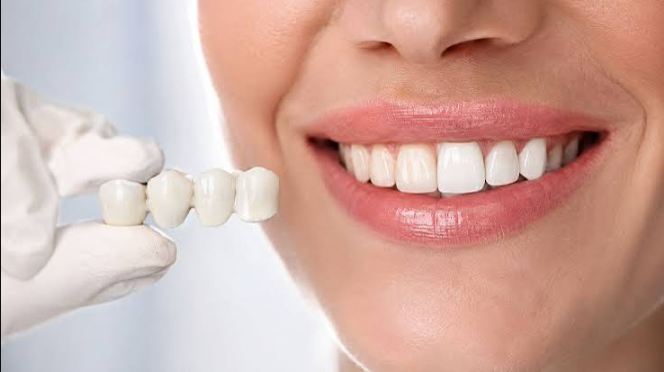
You may be looking at an old photo, noticing how your smile used to sit differently, how your front teeth once showed a little more, or how wear, chips, grinding, or past dental work changed the balance of your face. That reaction is common. When your teeth look shorter than they used to, the problem is not only cosmetic. It can affect speech, bite comfort, confidence, and the way your lips rest at ease. If damage is sudden or severe, seeing an emergency dentist for broken tooth Bloomfield NJ may be the next right step.
In many cases, your earlier tooth length gives your dentist a practical reference point. It helps shape a reconstruction that looks like you, not like a generic version of a nice smile. For a cosmetic dental reconstruction, that matters. The goal is not simply to make teeth longer. The goal is to restore proportion, support, and harmony in a way that fits your face and function.
Previous tooth length gives cosmetic reconstruction a more personal starting point
Teeth do not exist on their own. Their length affects the way your upper lip frames your smile, how much tooth shows when you speak, and how your bite distributes force. When front teeth have been worn down over time, you may not notice the change day by day. Then one day your smile looks flat in photos, or your teeth seem small and tired. That slow shift can make it hard to know what “normal” looked like for you.
Earlier records help fill in that gap. Old dental models, family photos, past X rays, and pre wear measurements can guide tooth size during treatment planning. Research on digital smile design and facially guided planning shows that esthetics work best when tooth proportions are tied to the patient’s own facial features and smile dynamics, not a one size fits all formula. You can see that reflected in this review on digital smile design and esthetic planning.
That is why prior tooth length can guide smile restoration so well. It gives your dentist a baseline. If your front teeth once had a certain edge position and display, rebuilding them close to that range often creates a result that feels familiar and believable.
See also: How Denture And Implant Dentistry Improves Quality Of Life
Tooth wear changes more than appearance
Shorter teeth often point to a larger problem. Grinding, acid erosion, fractures, and aging restorations can reduce enamel and alter the bite. You may start with a small chip and end up with uneven edges, muscle tension, or sensitivity. Then cosmetic concerns and functional concerns begin to overlap.
If reconstruction ignores the original length and simply follows what is left today, the final result can stay too short. That may leave the smile under supported, the bite less stable, and the face less balanced. In some cases, overlengthening creates its own problems, including speech changes or a strained appearance. The right answer usually sits in the middle, guided by what your teeth used to be and what your mouth can support now.
This is where a family and cosmetic dentist can be especially helpful. A dentist who looks at both daily oral health and appearance is more likely to connect the visual issue with the underlying wear pattern, gum position, jaw function, and long term maintenance needs.
Research supports individualized planning in esthetic and restorative dentistry
Modern reconstruction relies on more than guesswork. Dentists can combine photos, scans, bite analysis, and mockups to estimate original dimensions and test changes before final treatment. Evidence also supports preserving and rebuilding tooth structure in a way that respects function and long term durability. A clinical review on contemporary restorative approaches describes how careful diagnosis and conservative planning improve esthetic and functional outcomes.
The same principle applies when wear is advanced. Full mouth cases often need a clear reference for vertical dimension, incisal edge position, and tooth proportion. Prior records, even imperfect ones, can reduce the risk of creating a smile that looks technically polished but does not look like it belongs to you. This broader review of worn dentition and rehabilitation considerations helps explain why diagnosis and planning are so central before rebuilding length.
Comparing reconstruction choices when previous tooth length is part of the plan
| Planning Approach | What It Uses | Potential Benefit | Possible Limitation |
|---|---|---|---|
| Current tooth shape only | Present wear pattern and visible structure | Simple starting point | May reproduce a smile that is already collapsed or too short |
| Previous tooth length reference | Old photos, records, scans, past models | More personalized tooth proportions and edge position | Records may be incomplete |
| Digital mockup and facial analysis | Photos, video, smile design software, bite review | Tests appearance and function before final work | Still depends on good diagnosis and clinical judgment |
| Restoration without addressing wear causes | Veneers, bonding, or crowns alone | Faster cosmetic change | Higher risk of repeat damage if grinding or erosion continues |
Using prior tooth dimensions in dental reconstruction does not mean copying the past with exact precision. It means using the past to avoid guesswork. That can help with veneer cases, bonding, crowns, and more extensive rehabilitation.
Three steps you can take before cosmetic dental work
Gather old records and photos. Look for close up smiling photos, old dental models, or images from before noticeable wear or trauma. Even casual phone photos can help show tooth display, symmetry, and edge position.
Ask for a functional and esthetic evaluation. If your teeth seem shorter, ask your dentist to assess wear, grinding, bite changes, gum levels, and speech patterns. A good plan for esthetic dental reconstruction should explain why the teeth changed, not just how they will be covered.
Request a preview before final treatment. A wax up, digital design, or temporary mockup lets you see and feel the proposed length. That is often the moment patients realize whether the plan feels natural, too short, or too long.
A natural looking smile starts with what was true before
If your teeth have changed over time, you are not being overly focused by noticing it. Small shifts in tooth length can change your whole smile. Looking back at previous tooth length gives restorative planning a more grounded starting point, and that often leads to results that feel more comfortable, more functional, and more like you.
When you are considering care from a family and cosmetic dentist, ask how past tooth length, photos, and wear patterns will shape the plan. That one question can lead to a reconstruction that restores more than appearance. It can restore familiarity, comfort, and trust in your smile again.