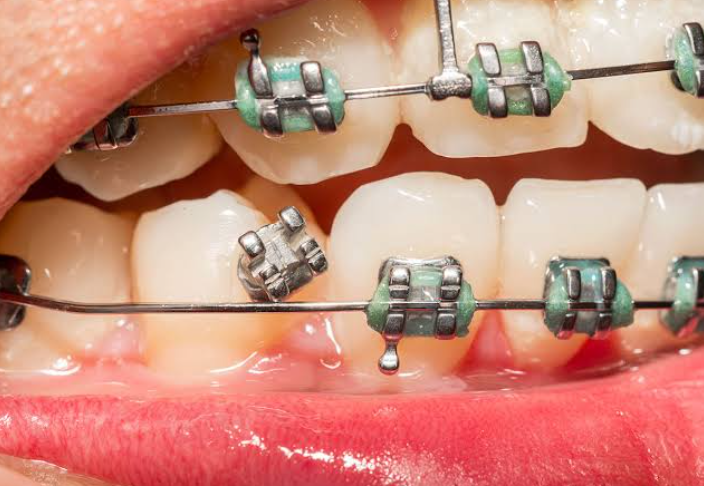
You might not think about dental emergencies until something suddenly goes wrong. A broken bracket before school, a wire poking your cheek late at night, or a tooth that chips because your bite has been under strain for years can turn an ordinary day into a stressful one. If you are already dealing with crowding, bite problems, or shifting teeth, that stress can feel even heavier, especially if you are considering braces in South Nashville, because you know the issue may not simply go away on its own.
That is where orthodontic care often changes the story. While many people think of braces or aligners as cosmetic, the truth is that the role of orthodontics in reducing dental emergencies goes much deeper. By guiding teeth into healthier positions and improving the way your bite works, orthodontic treatment can lower the risk of trauma, tooth wear, gum strain, and some of the urgent problems that send people looking for same-day care.
Why can untreated bite problems lead to sudden dental trouble?
When your teeth do not meet the way they should, the pressure of chewing is not spread evenly. Over time, that uneven force can lead to chips, cracks, loose restorations, jaw discomfort, and worn enamel. If a front tooth sticks out more than it should, it may also be more likely to get injured during a fall, sports activity, or even everyday accidents. According to MedlinePlus information on orthodontia, orthodontic treatment is used to correct irregularities of the teeth and jaw, which can improve both function and oral health.
Because of this, what seems like a small alignment issue can become a bigger problem later. You may put off treatment because life is busy. After all, the discomfort comes and goes, or because it does not feel urgent yet. Then one day, a cracked tooth, gum irritation, or sudden pain forces the issue. So, where does that leave you?
It leaves you looking at orthodontics not only as a way to straighten teeth, but as a form of prevention. A better bite can reduce strain on teeth that are doing too much work. Less crowded teeth are often easier to clean, which may lower the chance of decay and gum problems that can also become urgent. In that sense, orthodontic treatment for dental emergency prevention is not just about appearance. It is about reducing avoidable stress on your mouth.
What kinds of dental emergencies can orthodontics help prevent?
Not every emergency can be prevented, of course. Accidents happen, and infections can develop for many reasons. Still, orthodontic care may lower the odds of several common problems.
For example, protruding front teeth are more exposed during falls or sports injuries. Severe crowding can trap food and plaque in places that are hard to reach, raising the risk of decay or gum inflammation. Deep bites and crossbites can create repeated trauma, where one tooth keeps hitting another in the wrong way. Over time, that can lead to fractures, sensitivity, and pain.
The American Academy of Pediatric Dentistry explains in its guidance on emergency dental care that injuries and urgent dental issues often need prompt attention to protect long-term oral health. Prevention matters because emergency visits are not only painful and disruptive; they can also be costly and emotionally draining.
There is also a broader health piece to keep in mind. Some oral infections can spread and become more serious if ignored. MedlinePlus offers a helpful overview of tooth abscess symptoms and treatment, which is a reminder that dental problems are not always minor inconveniences. When teeth are easier to clean and less likely to trap bacteria because alignment has improved, that can support better daily oral care.
How does an orthodontist compare with waiting for problems to show up?
If you are unsure whether to act now or wait until something hurts, it may help to compare the two paths side by side. An orthodontist looks at how your teeth, jaws, and bite work together. That kind of planning can catch risk factors before they become emergencies.
| Situation | Waiting and Watching | Orthodontic Evaluation and Care |
|---|---|---|
| Crowded teeth | Harder to clean, higher risk of decay and gum irritation | Better spacing may improve brushing and flossing access |
| Protruding front teeth | Higher chance of injury during falls or sports | Repositioning may reduce exposure to trauma |
| Uneven bite pressure | More wear, chips, cracks, and jaw strain over time | Balanced bite can lower stress on certain teeth |
| Minor discomfort | May be ignored until it becomes urgent | Early care can address causes before pain escalates |
This is one reason many families see emergency prevention through orthodontics as a practical step, not an extra one. It often costs less, emotionally and financially, to prevent a crisis than to react to one.
What can you do right now if you want to lower your risk?
1. Pay attention to warning signs.
If teeth overlap tightly, if your bite feels off, if you keep biting the inside of your cheek, or if one tooth seems to take more pressure than the others, those are worth noticing. They may not feel urgent today, but they can point to problems that grow slowly.
2. Schedule an orthodontic evaluation before there is a crisis.
You do not need to wait for pain. A simple evaluation can show whether alignment or bite issues are putting your teeth at higher risk. Even if treatment is not needed right away, having a plan gives you clarity and peace of mind.
3. Protect the progress you already have.
If you or your child already wears braces or aligners, follow care instructions closely. Use a mouthguard for sports, avoid foods that can break brackets, and report poking wires or loose appliances early. Small fixes are easier than emergency repairs.
See also: How Trucking and Bus Accident Claims Require Deeper Investigation
Could orthodontics be part of a calmer, more predictable future for your smile?
If you have been living with bite issues, crowding, or teeth that seem more vulnerable than they should, it makes sense to feel unsure about what comes next. The good news is that orthodontic care can do more than straighten a smile. It can reduce strain, improve function, and lower the chance that a manageable problem turns into a painful emergency.
When you are ready, speak with an orthodontist and ask whether your bite or alignment may be raising your risk. Taking that step now can help you avoid stress later, and it can give you a clearer path toward a healthier, more stable smile.