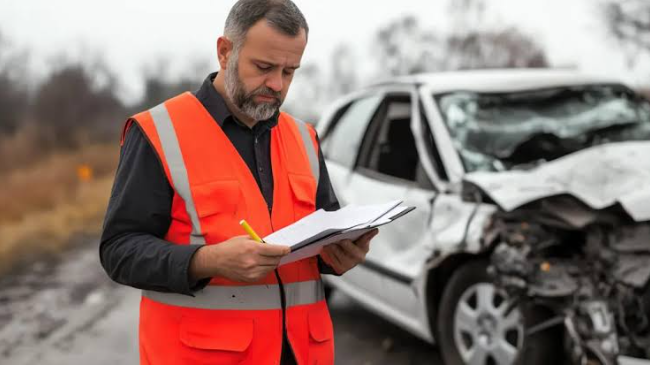
Disputed car accident claims often depend on what happened during the few seconds before impact. Photos show vehicle damage, but witnesses can describe traffic signals, lane positions, speed, and driver behavior. Their accounts can support or challenge statements made after the crash, especially when physical evidence leaves room for disagreement. Knowing how investigators collect, test, and preserve witness testimony helps drivers protect evidence and assess fault claims as the investigation develops.
After a collision, witnesses often remember details that drivers overlook or describe differently. A neutral observer who saw a traffic light, heard a horn, or watched a vehicle change lanes can clarify the sequence. In claims involving local intersections or conflicting insurance statements, a Wesley Chapel car accident lawyer can organize witness accounts and compare them with physical evidence.
What Witnesses Can Establish
Witnesses can describe the moments before impact, including vehicle speed, lane position, turn signals, braking, and traffic conditions. Those details help show whether a driver obeyed traffic controls or made an unsafe maneuver. A witness can also describe what happened after the collision. Statements about a driver leaving the vehicle, discussing phone use, apologizing, or changing an account can affect how investigators evaluate the claim.
See also: How General Dentistry Protects Oral Health Across Every Stage Of Life
Which Witnesses Matter Most
Independent witnesses usually receive closer consideration than passengers or close friends because they appear less personally invested in the result. Their accounts still require review, but their distance from the parties can support credibility. Other drivers often provide useful information because they have observed traffic flow and vehicle movement. A driver traveling behind the collision might describe braking, a sudden lane change, or a failure to yield. Passengers can also provide relevant testimony, particularly if they saw a traffic signal, heard a warning, or noticed a driver looking away from the road. A witness’s relationship to a claimant does not automatically make the account unreliable.
How Do Investigators Test Reliability?
A witness statement should describe what the person directly saw or heard, rather than an assumption about fault. Saying that a vehicle entered an intersection on red provides more useful information than saying another driver acted carelessly. Distance, lighting, weather, traffic, and viewing angle all affect reliability. Someone standing several car lengths away might not see a hand signal, a brief brake application, or a traffic light partly blocked by another vehicle. Timing also matters. Witnesses who provide statements soon after a collision usually recall more precise details. Investigators compare early accounts with later statements to identify changes, added assumptions, or contradictions.
Preserving Witness Evidence
Drivers should collect each witness’s name, phone number, email address, and a brief description of what the person observed. A written note should also record the date, location, weather, and witness position near the crash. Witnesses can forget details or become difficult to contact. A legal representative can obtain signed statements, conduct interviews, and preserve testimony before memories fade or circumstances change.
Comparing Testimony With Other Evidence
Witness statements work best when they match independent evidence. Vehicle damage can support an account of a rear-end collision, while skid marks can help investigators assess braking and speed. Police reports, traffic camera footage, vehicle event data, photographs, and medical records can provide separate points of comparison. No single item always resolves the fault, but consistent evidence creates a clearer timeline. Insurance companies often examine witness wording closely. A statement that uses uncertain language or describes only the aftermath might not establish who caused the collision. A detailed account of vehicle movement carries greater practical value.
Handling Conflicting Accounts
Conflicting testimony does not automatically decide a claim. Investigators examine each witness’s position, attention, distance, memory, relationship to the parties, and consistency with physical evidence. A witness who changes a material detail should explain why the account changed. Memory can shift after conversations with other people, reviewing photographs, or learning more about injuries and property damage.
Conclusion
Witness testimony can clarify disputed fault by providing a precise account of vehicle movement, traffic controls, and driver conduct. Its value increases when investigators preserve statements early and compare them with photographs, reports, vehicle data, and damage patterns. After a collision, drivers should identify independent witnesses, record their contact details, and avoid suggesting preferred wording. A prompt legal review can preserve those accounts and place them within a complete accident timeline.