The logistics industry is undergoing a significant transformation, thanks to technological advancements. From real-time tracking and automated warehouses to electric vehicles and drones, these innovations are revolutionizing how goods are transported and delivered. This blog delves into the most exciting trends shaping the future of logistics.
Smarter routes mean faster deliveries
Efficient routes are like the secret sauce of the logistics world. Imagine cutting down delivery times just by optimizing the path a truck takes. It’s not rocket science, but it’s getting pretty close with today’s tech. Real-time traffic data, weather updates, and even predictive analytics all play a role in determining the best route for deliveries. Gone are the days when drivers had to rely solely on maps or instincts. Now, there’s a whole suite of tools designed to make sure that every detour, traffic jam, or unexpected road closure is anticipated and avoided. It’s like having a personal assistant whispering directions in your ear.
Real-time tracking is another game-changer here. Everyone loves knowing where their package is, right? Well, businesses love it too. With real-time tracking, companies can keep tabs on their fleet at all times. This means they can provide accurate delivery windows to customers, reducing those annoying “Your package will arrive between 9 AM and 5 PM” emails. Plus, if something goes awry—a flat tire or an unexpected delay—they can immediately reroute and inform the customer. It’s all about transparency and efficiency.
But there’s more to it than just knowing where things are. Real-time tracking also helps in optimizing logistics operations. Companies can analyze the data collected from these tracking systems to identify patterns and make informed decisions using advanced tools like the cargo screen. Maybe one route always gets congested at a certain time of day, or perhaps a specific type of vehicle performs better on certain roads. This kind of intel can be invaluable in fine-tuning logistics strategies.
Automated warehouses are game-changers
Step inside a modern warehouse, and you might feel like you’ve wandered onto the set of a sci-fi movie. Automated warehouses are becoming the norm, and they’re nothing short of spectacular. Picture robots zipping around, picking items off shelves, and bringing them to packing stations with flawless precision. It’s efficiency at its finest.
These automated systems aren’t just about speed; they’re about accuracy too. Human error is almost entirely eliminated when robots handle the heavy lifting (literally). They don’t get tired, they don’t need breaks, and they certainly don’t misplace items. This level of reliability is crucial for businesses that need to maintain tight inventory controls and meet high customer expectations.
Moreover, automation allows for better use of space. Traditional warehouses require wide aisles for forklifts and human workers to navigate through, but robots can operate in much tighter spaces. This means more goods can be stored in the same footprint, maximizing storage capacity without the need for expansion. Additionally, safety measures, including devices like a rad detector, are increasingly integrated to ensure secure and efficient operations.
Electric vehicles are taking over the roads
The shift towards electric vehicles (EVs) isn’t just a trend; it’s a full-blown revolution. Logistics companies are increasingly adopting EVs for their fleets, and it’s easy to see why. For starters, they’re much kinder to the environment. Reducing carbon emissions is a big win for everyone involved—from businesses looking to improve their sustainability credentials to consumers who are becoming more eco-conscious.
But it’s not just about being green; there are financial incentives too. Electric vehicles often have lower operating costs compared to their diesel or petrol counterparts. Maintenance is usually cheaper since EVs have fewer moving parts that can wear out or break down. And let’s not forget about fuel savings—electricity is generally cheaper than fossil fuels, especially with rising fuel prices.
Furthermore, governments around the world are supporting this shift by offering subsidies and tax incentives for companies that invest in electric vehicles. It’s like getting paid to do the right thing—what’s not to love? The infrastructure is catching up too, with more charging stations popping up every day, making range anxiety a thing of the past.
Drones and robots aren’t just sci-fi anymore
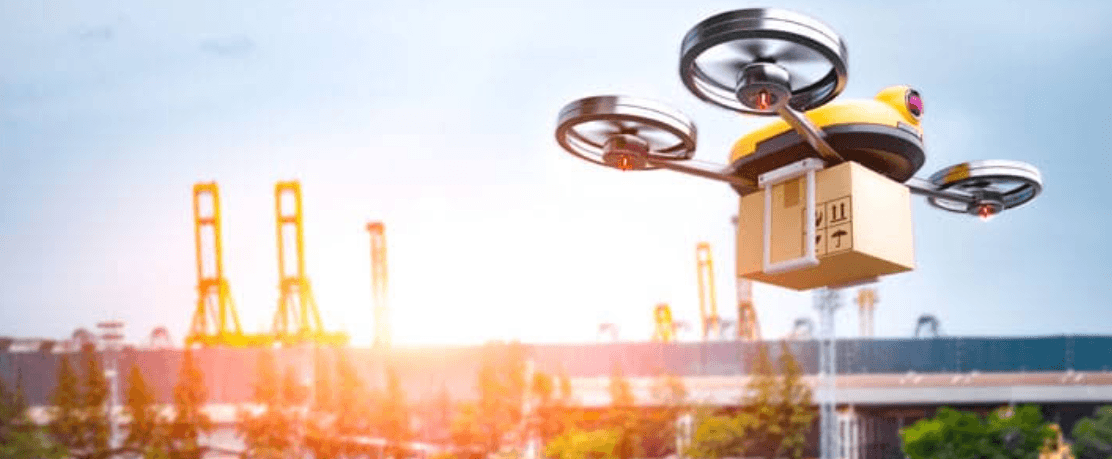
Drones delivering packages right to your doorstep? It sounds like something out of a futuristic novel, but it’s happening now! Companies are experimenting with drone deliveries as a way to beat traffic and speed up last-mile delivery times. Imagine ordering something online and having it dropped off by a drone within hours—that’s the kind of convenience we’re heading towards.
These flying couriers aren’t just cool; they’re incredibly efficient too. For remote or hard-to-reach areas, drones can be a lifesaver—literally in some cases, such as delivering medical supplies in emergencies. They can bypass road congestion entirely and take the most direct route possible.
On the ground, delivery robots are making waves as well. These little machines can navigate sidewalks and crosswalks to bring packages right to your door. They’re equipped with sensors and cameras to avoid obstacles and ensure safe delivery. While they’re still in the early stages of deployment, it’s clear that these robots have immense potential.
See also: Business Funding for Small Business: Practical Strategies and Funding Options
Data analytics for predicting the future
Data is king in today’s world, and logistics is no exception. Data analytics allows companies to predict trends, optimize routes, manage inventory more effectively, and even foresee potential issues before they become problems.
Predictive analytics uses historical data to forecast future events—like knowing which products will be in high demand during certain seasons or predicting traffic patterns on specific routes. This kind of foresight enables companies to stock up on necessary items in advance or reroute deliveries proactively.
Moreover, data analytics helps in understanding customer behavior better. By analyzing purchasing trends and delivery preferences, companies can tailor their services to meet customer needs more precisely. It’s all about staying one step ahead in an increasingly competitive market.