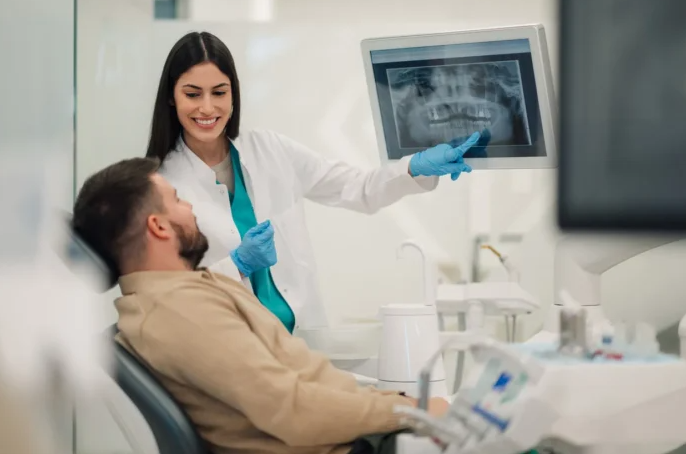
You might be putting off a dental visit, even though you know it would help, because the thought of the chair, the sounds, or the loss of control makes your chest tighten. That feeling is more common than many people admit. For some people, it is a mild unease. For others, it is enough to delay care for months or years, which can turn a small issue into pain, infection, or costly treatment. The good news is that How Family Dentists Adapt Care For Patients With Anxiety is not about pushing you through fear. It is about changing the experience so you can feel safer, more informed, and more in control with help from a dentist in North Edmonton.
When a family dental office understands anxiety, the visit often looks different from the start. The pace is slower. The language is clearer. The team checks in more often, explains what will happen before it happens, and builds trust one step at a time. That kind of support matters because oral health affects your whole life, from comfort and sleep to eating and confidence. The Oral Health in America executive summary makes that connection clear.
Why does dental anxiety feel so hard to push past?
Anxiety is not just “nerves.” It can affect your body, your thinking, and your ability to make decisions in the moment. You may notice a racing heart, sweating, trouble sleeping before an appointment, or the urge to cancel at the last minute. According to MedlinePlus information on anxiety, anxiety can show up in both emotional and physical ways, which helps explain why a dental visit can feel overwhelming even when you want to go.
Because of this tension, you might wonder why a routine cleaning feels so different for you than it does for someone else. Often, there is a reason. Maybe you had a painful experience as a child. Maybe you dislike not knowing what comes next. Maybe you are worried about cost, embarrassment, gagging, numbness, or being judged for how long it has been. Those concerns can stack on each other, and once they do, avoiding care can start to feel like the only relief.
But avoidance has its own price. A missed exam can mean a cavity grows deeper. Gum irritation can turn into gum disease. A cracked tooth can become an emergency. So, where does that leave you? It leaves you needing care, but needing it in a way that respects your limits. That is where anxiety-friendly dental care makes a real difference.
See also: How General Dentistry Protects Oral Health Across Every Stage Of Life
How do family dentists adjust care when a patient feels anxious?
A thoughtful family dentist does more than treat teeth. They adjust the visit around the person in the chair. That may begin with a conversation before any tools come out. You can be asked what worries you most, what has gone badly in the past, and what helps you feel calm. Some patients do better when they hear every step explained. Others prefer less detail and more short check ins.
Small changes can have a big effect. A dentist may schedule extra time so you do not feel rushed. They may agree on a hand signal that means “please stop.” They may start with the easiest part of the visit to build confidence. They may use numbing methods carefully and explain sensations before they happen. In a family dentist setting, this can be especially helpful because children, teens, adults, and older relatives may each need a different kind of reassurance.
For some families, anxiety is also linked with sensory needs, communication differences, or developmental conditions. In those cases, adaptation may include a quieter room, simple language, visual guidance, caregiver support, or shorter visits spread over time. The National Institute of Dental and Craniofacial Research offers practical oral care guidance for people with intellectual and developmental disabilities, which reflects how personalized dental care often needs to be.
What practical changes can make an anxious dental visit easier?
Sometimes it helps to see the difference between a standard visit and one shaped around anxiety support. The goal is not to lower the quality of care. It is to improve your ability to receive it.
| Part of the Visit | Standard Approach | Adapted Approach for Anxiety |
|---|---|---|
| Scheduling | First available opening | Quieter time of day, extra appointment time, fewer delays |
| Communication | Basic explanation | Pre visit discussion, simple step by step guidance, agreed stop signal |
| Pacing | Complete as much as possible in one visit | Shorter visits, breaks, phased treatment when needed |
| Comfort | Routine setup | Headphones, calming techniques, supportive positioning, reduced sensory triggers |
| Trust Building | Treatment starts quickly | Relationship first, exam before treatment, choice and consent at each step |
What does that look like in real life? Imagine a parent who has avoided cleanings for years because of panic. Instead of jumping straight into X rays, the office may begin with a short visit to meet the team, sit in the chair, and talk through concerns. Or picture a child who cries at the sound of suction. A family dental office may introduce tools slowly, use tell show do methods, and reward cooperation without pressure. This is how dental care for anxious patients becomes possible, one manageable step at a time.
What can you do right now to make the next visit feel safer?
1. Name your triggers before the appointment. Write down what worries you most. Is it pain, needles, sounds, shame, cost, or feeling trapped? When you can name the fear, the dental team can respond to it more clearly.
2. Ask about comfort options in advance. Before you book, ask how the office supports nervous patients. You can ask about longer appointments, breaks, step by step explanations, sensory accommodations, or bringing a support person if needed.
3. Start smaller than you think you should. If a full treatment visit feels too hard, ask for a consultation first. A low pressure first step often builds enough trust for the next one. That is how fear-free dental visits often begin.
Can a better dental experience really change what comes next?
Yes, and often in ways that reach beyond your mouth. When anxiety is taken seriously, you are more likely to keep appointments, catch problems early, and avoid emergency care. You also begin to replace dread with predictability, which is a powerful shift. The goal is not to pretend fear disappears overnight. It is to create a path where care feels possible again.
If you have been delaying treatment because anxiety keeps getting in the way, you are not failing, and you are not alone. A family dentist who adapts care with patience, clear communication, and respect can help you move forward at a pace you can handle. Reaching out for that kind of support can be the first calm step toward better health.