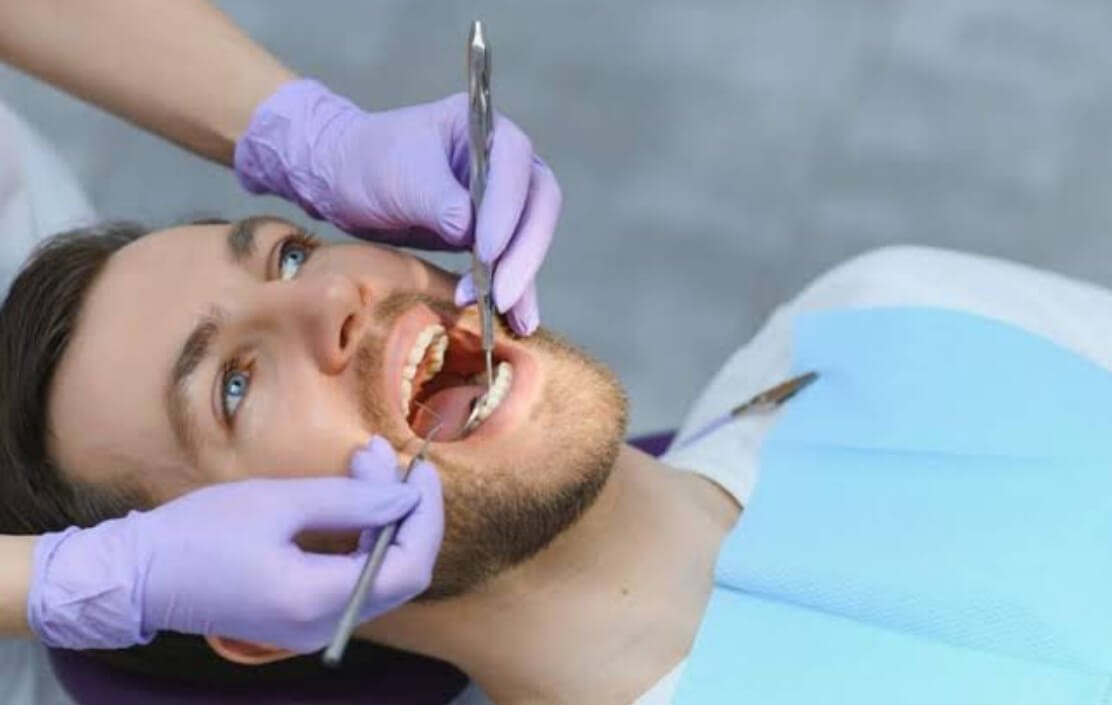
You may put off cleanings for months, sometimes years, even when your tooth hurts or your gums bleed when you brush. The thought of the chair, the sounds, the numb feeling, or being told you need more work than expected can make your chest tighten before you even pick up the phone. That reaction is common, and it is one reason many people avoid care until a small problem turns into a painful and expensive one. Seeing a family dentist in Morrisville NC can help make getting care feel more manageable.
How family dentists support patients with dental anxiety often comes down to one simple truth. Fear gets lighter when you feel safe, informed, and in control. A good family dentist does more than check teeth. They slow the pace, explain what will happen, watch your body language, and build a plan that respects your limits while still protecting your health.
Dental anxiety affects oral health in ways that build over time
Dental fear rarely stays contained to one appointment. It changes daily habits, delays treatment, and often leads to shame. You might know you should go, but knowing and doing are not the same when your body reads dental care as a threat. According to the National Institute of Dental and Craniofacial Research summary on oral health in America, oral health is closely tied to overall health and quality of life. When anxiety keeps you away from care, the effects can spread beyond your mouth.
A missed cleaning can turn into gum inflammation. A small cavity can become a root canal. A cracked filling can become an infection that wakes you up at night. Then the visit you feared becomes longer, more invasive, and more costly, which reinforces the fear. That cycle is exhausting, and many patients know it well.
This is where a dentist for anxious patients makes a real difference. The goal is not to tell you to relax. The goal is to reduce the triggers that make treatment feel unmanageable in the first place.
Family dentists reduce fear by changing the pace and the experience
Many people with dental anxiety expect to be rushed, judged, or talked over. Family dentists who work well with anxious patients usually do the opposite. They ask what has gone wrong before. They explain each step in plain language. They agree on a stop signal so you can pause treatment at any point. That alone can lower stress because your body no longer feels trapped.
Some patients fear pain. Others fear loss of control, needles, gagging, bad news, or embarrassment about the condition of their teeth. Anxiety is not one thing, so support should not be one thing either. A family dentist may schedule shorter visits, start with an exam only, use topical numbing before injections, or break treatment into smaller appointments. If noise is a trigger, headphones can help. If uncertainty is the problem, a clear step by step explanation often helps more than cheerful reassurance.
Research on dental fear and anxiety has shown that it is widespread and tied to avoidance, distress, and poorer oral health outcomes. This review of evidence on dental anxiety reflects what many patients already know from experience. Fear is not a character flaw. It is a real barrier to care.
Family dental care for anxiety also works best when trust builds over time. Seeing the same team matters. Familiar faces, familiar routines, and a dentist who remembers your triggers can turn an appointment from something you dread into something you can manage.
Support for dental anxiety often includes practical comfort measures
Comfort measures are not extras for nervous patients. They are part of care. The American Dental Association has shared guidance on helping patients with sensory and emotional needs through environmental changes, communication strategies, and patient centered planning. This piece from the ADA on supportive dental accommodations reflects a shift many patients have needed for years.
That support may include a quieter room, reduced waiting time, dimmer lighting, a chance to sit upright before treatment starts, or having the dentist describe only what you want to hear. Some people feel calmer with detailed explanations. Others do better with less information in the moment. A skilled family dentist asks, then adjusts.
| Approach | How it feels to the patient | Likely effect on care |
| Standard rushed appointment | Little control, more tension, fear builds quickly | Higher chance of canceled visits and delayed treatment |
| Family dentist using anxiety support strategies | More predictability, better communication, easier pacing | Higher chance of completing preventive care and smaller treatments earlier |
| Waiting until pain forces a visit | Panic mixed with urgency and shame | More complex treatment and higher costs are more likely |
Small changes in the dental office can prevent larger problems later
If you have ever canceled an appointment from the parking lot, you know anxiety does not always respond to logic. That is why support has to be practical. A family dentist may begin with no treatment at all, just a conversation, X rays if you can tolerate them, and a simple plan for what comes next. For a patient who has avoided the dentist for ten years, that first successful visit is not small. It is the turning point.
The same applies to children and teens. When a child has a calm, respectful first experience, they are less likely to carry fear into adulthood. Parents often look for a family dentist because one office can support everyone, and because consistency helps anxious patients of any age feel safer.
Three steps you can take before your next dental visit
1. Name your specific trigger. “I hate the dentist” is too broad to solve. “I panic when I hear the drill” or “I am afraid of being judged” gives the office something concrete to work with.
2. Ask for a low pressure first appointment. Request a consultation, exam, or short visit before any treatment. Tell the office you have dental anxiety and want a slower start.
3. Set one control point in advance. Choose a hand signal to pause, ask for step by step explanations, or request short breaks. A clear plan lowers the feeling of being stuck in the chair.
Compassionate dental care makes it easier to come back
You do not need to be fearless to get dental care. You need an office that takes your fear seriously and works with it instead of against it. A patient centered family dentist can help you rebuild trust, protect your oral health, and stop the cycle where avoidance leads to bigger problems. If dental anxiety has been keeping you away, reaching out for a conversation is a strong first step.