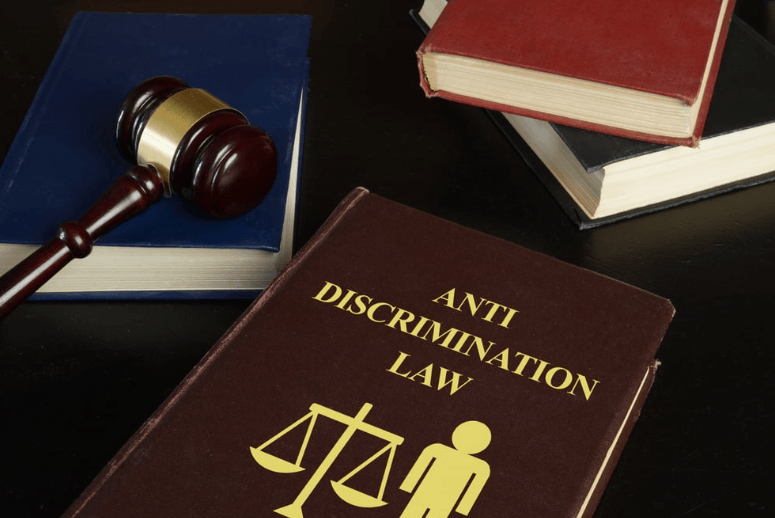
Job loss tied to bias can trigger more than one set of rules. Federal protections set a baseline, yet states often add broader coverage and stronger remedies. Because employers operate inside both systems, a single firing can raise parallel duties. Knowing how the layers interact helps people document events, meet deadlines, and choose a sensible path. Clear expectations also help workplaces build fair processes that reduce harm for everyone.
Two Legal Layers: Federal and State
Discrimination disputes often call for careful timing and clean records. Speaking with a wrongful termination lawyer can help families weigh options across both systems, since each forum uses different forms, deadlines, and proof rules. Federal claims may require an agency step, while state paths can differ by location. Early choices shape available damages, settlement leverage, and which witnesses matter most.
State Law Can Broaden Who Is Covered
Many states protect more traits than federal law covers. Some include marital status, caregiving role, hair texture, or lawful off-duty conduct. Several states also cover smaller employers than the federal thresholds. That matters for people working at newer businesses or local shops. Added coverage can turn a dismissed federal claim into a viable state case.
Different Deadlines Can Control the Entire Case
Timing rules vary, and a missed date can end a strong claim. Federal paths often involve an agency filing window that depends on location and program structure. State laws may set longer or shorter limits, or separate notice rules, for public employers. Tracking dates from the firing day onward, along with earlier complaints, increases the chance of being heard.
One Set of Facts, Two Proof Frameworks
A firing can be judged under different tests. Federal standards often employ structured burden-shifting, while some states use friendlier causation rules. Certain states allow mixed-motive findings more readily, which can change the burden of proof. Evidence also lands differently, depending on local precedent. For our communities, that variation can decide whether a case survives early dismissal.
Agencies Versus Courts: Why Does It Matter?
Federal claims commonly start with an administrative charge before court access opens. Some states require a similar step, while others allow direct lawsuits. Agency routes can bring mediation, position statements, and investigative files that later support litigation. Court routes can move faster, yet they may demand early, detailed pleadings. Choosing a track shapes cost, speed, and privacy.
Remedies Differ and Strategies Change
Relief can include back pay, reinstatement, damages for emotional distress, and fees. Federal law may cap certain damages based on employer size. State law may offer higher limits, punitive awards, or broader wage recovery. Some states also permit statutory penalties for willful misconduct. When both systems apply, people can compare remedy ranges before selecting claims.
Retaliation Rules Often Drive the Outcome
Many firings follow reports of harassment, bias, or unsafe conditions tied to protected status. Federal retaliation provisions can be strong, yet states sometimes expand what counts as protected opposition. A worker who complained informally, or supported a colleague may gain extra protection under state law. Retaliation evidence, like timing and shifting explanations, often resonates with juries.
Local Procedures Shape Evidence Gathering
State courts use their own discovery rules, scheduling orders, and motion practices. Federal courts can require earlier disclosures and stricter summary judgment standards. Those differences affect how email trails, chat logs, and performance records get exchanged. They also influence whether depositions happen early or late. Planning for the forum helps families preserve texts, calendars, and witness notes.
Multi-State Employers Still Face State Duties
A company with offices in several states must follow each state’s employment statutes for workers in that location. Remote work adds questions about where the work is performed and which state has authority. Payroll records, reporting lines, and worksite policies matter here. Even with a national handbook, local law may impose additional training, notice, or posting requirements.
See also: How Family Law Cases Involving Narcissistic Conflict Work
How People Can Protect Their Position Early
Good documentation supports either system. People can save offer letters, evaluations, schedules, and complaint messages. A simple timeline, written soon after events, helps memory stay accurate. Medical notes can also matter when stress impacts health. Our shared goal is fairness, so clear records help honest employers correct mistakes and help wronged workers prove what happened.
Conclusion
Both federal and state laws matter because they answer different questions about the same firing. Federal rules set minimum rights, while states can expand coverage, adjust proof standards, and change remedies. Deadlines and procedures also differ, which can shape a claim before all the facts are heard. When people can clearly see the layers, they can choose a path that fits their job, location, and evidence.