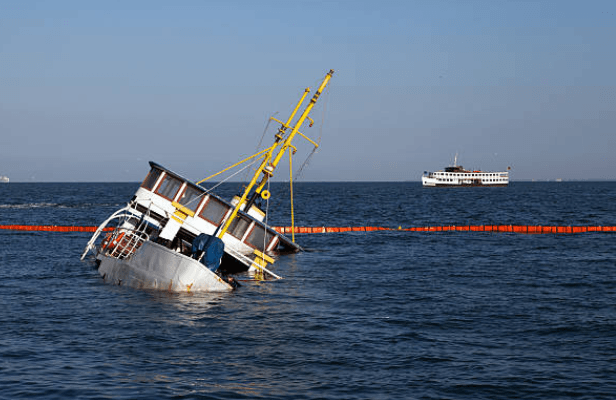
Boating is one of the most popular recreational activities, especially during warmer months when families and friends head to lakes, rivers, and coastal waters to relax and enjoy the outdoors. While boating can be exciting and enjoyable, it also comes with serious risks. Every year, thousands of boating accidents result in injuries, property damage, and fatalities. Many of these incidents are preventable and happen because of negligence, poor judgment, or failure to follow safety regulations.
Unlike car accidents, boating accidents often involve complex legal issues, including maritime laws, multiple liable parties, and severe injuries caused by drowning, collisions, or equipment failures. Victims may face extensive medical bills, lost income, emotional trauma, and long recovery periods. Understanding the common causes of boating accidents and knowing when to seek legal guidance can help victims protect their rights and pursue fair compensation.
For individuals searching for a reliable boating accident lawyer, learning the legal and safety aspects of boating accidents is an important first step after an incident on the water.
Operator Inattention
One of the leading causes of boating accidents is operator inattention. Boat operators who fail to pay attention to their surroundings increase the risk of collisions with other boats, docks, swimmers, or underwater hazards.
Distractions on the water may include:
- Using mobile phones
- Talking with passengers
- Adjusting navigation systems
- Eating or drinking while operating the boat
Unlike driving on roads, waterways often lack clear traffic lanes, making constant awareness essential. A moment of distraction can quickly result in a serious accident.
Boating Under the Influence
Operating a boat under the influence of alcohol or drugs is extremely dangerous and remains a major factor in boating accidents across the United States. Alcohol affects balance, reaction time, coordination, and judgment, all of which are critical for safe boating.
Environmental conditions such as sun exposure, waves, wind, and engine vibration can intensify the effects of alcohol while on the water. Impaired boat operators are more likely to speed, misjudge distances, or fail to react properly to hazards.
Victims injured in accidents involving intoxicated operators may have strong legal grounds to seek compensation for their damages.
Excessive Speed
Speeding on the water can be just as dangerous as speeding on highways. High speeds reduce reaction time and make it difficult to avoid obstacles, especially in crowded waterways or poor weather conditions.
Boats traveling too fast may:
- Collide with other vessels
- Strike swimmers or jet skiers
- Crash into docks or rocks
- Capsize during sharp turns
Excessive speed often leads to more severe injuries because passengers may be thrown overboard or suffer traumatic impacts during collisions.
Lack of Proper Boat Maintenance
Boat owners have a responsibility to maintain their vessels properly. Mechanical failures caused by poor maintenance can lead to serious accidents and injuries.
Common maintenance-related problems include:
- Engine failure
- Steering malfunctions
- Faulty electrical systems
- Fuel leaks
- Brake or throttle issues
Regular inspections and maintenance are necessary to ensure boats operate safely. When accidents happen because of neglected repairs or defective equipment, the boat owner or manufacturer may be held responsible.
Inexperienced Boat Operators
Operating a boat safely requires knowledge, training, and experience. Inexperienced operators may not fully understand navigation rules, emergency procedures, or how to respond to changing weather and water conditions.
Common mistakes made by inexperienced operators include:
- Misjudging distances between vessels
- Improper docking techniques
- Failing to monitor weather conditions
- Ignoring safety equipment requirements
- Overloading the boat with passengers
Boating education courses and proper licensing help reduce accidents caused by inexperience, but many incidents still occur due to a lack of training.
Hazardous Weather Conditions
Weather can change rapidly on the water, creating dangerous situations for boaters. Strong winds, heavy rain, fog, and lightning storms can reduce visibility and increase the risk of capsizing or collisions.
Even experienced operators may struggle to control boats during severe weather conditions. Before heading out on the water, boaters should always check forecasts and monitor weather updates throughout their trip.
Failure to respond appropriately to hazardous weather conditions may be considered negligence in certain accident cases.
Equipment Failure and Defective Parts
Some boating accidents occur because of defective boat components or safety equipment failures. Manufacturers may be held liable if defective parts contribute to injuries or fatalities.
Examples of defective equipment include:
- Faulty life jackets
- Engine defects
- Steering system failures
- Defective fuel systems
- Malfunctioning navigation lights
Product liability claims involving boating accidents can become legally complex and often require detailed investigations.
Collisions with Other Boats
Boat-to-boat collisions are among the most serious types of boating accidents. These crashes may occur because of:
- Operator negligence
- Failure to follow navigation rules
- Distracted boating
- Intoxication
- Speeding
Collisions can lead to severe injuries such as traumatic brain injuries, spinal cord damage, broken bones, and drowning accidents.
Determining fault in these cases often requires witness statements, accident reports, and expert analysis.
Failure to Carry Safety Equipment
Boats are required to carry essential safety equipment, including life jackets, fire extinguishers, distress signals, and navigation lights. Failure to have proper safety gear onboard can increase the severity of accidents and injuries.
In emergency situations, missing or defective safety equipment may prevent passengers from escaping dangerous conditions safely.
Boat owners and operators who ignore safety requirements may be held legally responsible if injuries occur.
Common Injuries in Boating Accidents
Boating accidents often cause severe injuries because victims may be thrown into the water, struck by equipment, or trapped during collisions.
Common boating accident injuries include:
- Drowning and near-drowning injuries
- Traumatic brain injuries
- Spinal cord injuries
- Broken bones
- Lacerations and burns
- Hypothermia
- Internal injuries
Some injuries may require long-term rehabilitation and ongoing medical treatment, creating significant financial strain for victims and families.
When You Should Contact an Attorney
Not every boating accident requires legal action, but there are situations where contacting an attorney becomes extremely important. Legal guidance may help protect your rights and improve your chances of recovering compensation.
You should consider contacting an attorney if:
- The accident caused serious injuries or death
- Liability is disputed
- Insurance companies deny or delay claims
- Multiple parties are involved
- The accident involved intoxication or reckless behavior
- Defective equipment contributed to the accident
- You are facing high medical expenses or lost wages
An attorney can investigate the accident, gather evidence, negotiate with insurance companies, and determine who may be legally responsible.
How Legal Representation Can Help
Boating accident cases are often more complicated than standard motor vehicle accidents because they may involve maritime laws, federal regulations, and multiple liable parties.
An experienced attorney may help by:
- Investigating the accident thoroughly
- Reviewing maintenance and safety records
- Collecting witness statements
- Negotiating with insurance companies
- Calculating financial damages accurately
- Filing lawsuits when necessary
Strong legal representation can make a significant difference when pursuing compensation for medical expenses, lost income, pain and suffering, and future care needs.
For those seeking legal support after a serious boating accident, Lampert & Walsh, LLC provides legal guidance for injury victims dealing with complex accident claims.
See also: Why Businesses Choose CPAs Over Standard Accountants
Final Thoughts
Boating accidents can lead to life-changing injuries, emotional trauma, and financial hardship. Many of these accidents are caused by preventable factors such as operator negligence, intoxication, speeding, or equipment failure. Understanding the common causes of boating accidents can help individuals stay safer on the water while also recognizing when legal action may be necessary.
If you or a loved one has been injured in a boating accident, taking immediate action to seek medical care, preserve evidence, and understand your legal rights is essential. The right legal support can help victims pursue fair compensation and focus on recovery after a traumatic incident.