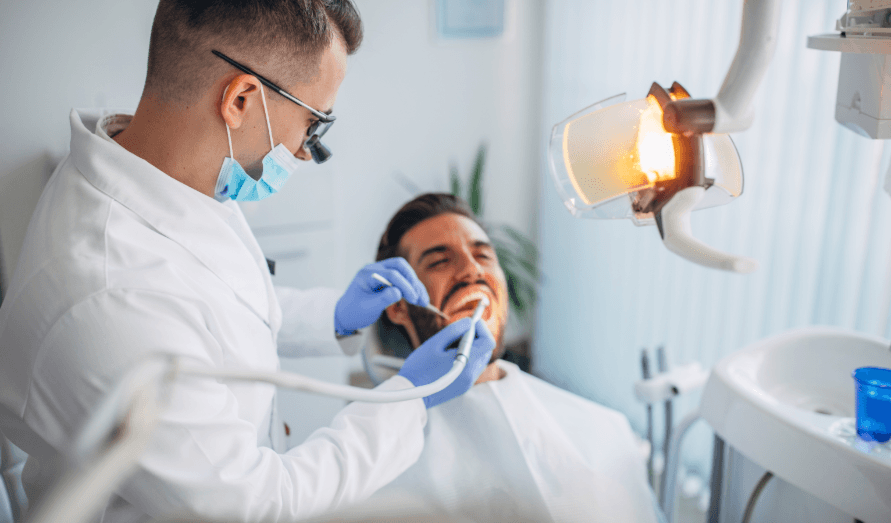
Dental pain can hit fast and hard. You might wake at night with a broken tooth, a swollen jaw, or bleeding you cannot stop. In those moments you need quick care, clear guidance, and a place that will not turn you away. Dental centers help you get that care. They connect you with same day visits, clear payment options, and simple steps for follow up care. They work with hospital teams so you are not stuck in an emergency room chair for hours. They also guide you to the right provider, such as an Englewood Cliffs dentist, when you need ongoing treatment. This blog explains four direct ways dental centers open doors to emergency services so you can protect your health, ease your fear, and avoid long term damage. You deserve fast, steady help when pain strikes.
1. Faster care through urgent and walk in visits
When pain hits you do not have time to search and hope. You need a clear path.
Many dental centers offer:
- Same day urgent visits
- Walk in slots for severe pain or swelling
- Extended hours on evenings and weekends
These steps keep you out of crowded hospital waiting rooms. They also match you with a team trained to handle dental problems right away.
The Centers for Disease Control and Prevention reports that emergency rooms see many visits each year for preventable dental problems. You can see more data on oral health and use of emergency rooms from the CDC at this oral health resource.
Dental centers use clear rules to sort urgent needs. Staff ask simple questions about pain, swelling, fever, or injury. Then they decide if you need care the same day, within 24 hours, or later in the week. That structure protects you and uses staff time well.
Common urgent dental symptoms and typical response
| Symptom | Typical response time | Usual first step |
|---|---|---|
| Severe toothache that will not ease | Same day | Urgent exam and x ray |
| Facial swelling or fever | Same day | Exam and possible antibiotics |
| Broken or knocked out tooth | Within a few hours | Stabilize tooth and control bleeding |
| Lost filling or crown without pain | Within a few days | Non urgent visit |
Knowing how your center responds helps you act fast when something goes wrong.
2. Lower cost and clearer payment options
Fear of a bill can stop you from seeking care. That delay can turn a small cavity into a deep infection.
Dental centers often:
- Accept Medicaid and Children’s Health Insurance Program
- Use sliding fee scales based on income
- Offer payment plans for emergency treatment
Some centers also help you sign up for public coverage right on site. Staff will walk you through the forms and needed documents. That support can be the difference between care and no care.
You can learn more about programs for children’s dental coverage through Medicaid and CHIP at the Centers for Medicare and Medicaid Services page at this federal dental coverage guide.
Cost is not the only issue. Confusion about what insurance covers also blocks care. Dental centers explain benefits in plain language. They tell you what an emergency visit will likely cost and what your plan pays.
That clarity calms fear and helps you choose needed treatment instead of waiting in pain.
3. Strong links with hospitals and urgent care
Sometimes a dental problem becomes a whole-body threat. A spreading infection or trouble breathing from swelling needs hospital care at once.
Dental centers build firm links with nearby hospitals and urgent care clinics. This coordination includes:
- Shared referral forms and direct phone lines
- Clear rules for when to send you to the hospital
- Follow up plans after you leave the emergency room
When you arrive at a dental center with a serious infection, the staff can call the emergency room, share your history, and send you straight to the right team. That cuts delay and risk.
After the hospital visit, the dental center brings you back for root canal treatment, tooth removal, or follow-up checks. You are not left to search for help on your own.
This steady loop between hospital and dental center keeps you safer and lowers repeat emergency visits.
4. Clear education so you know when something is an emergency
Many people are not sure when to seek emergency dental care. That doubt can cause long suffering. It can also cause crowding in emergency rooms when a problem can wait.
Dental centers teach you simple rules for action. They explain that you should seek same-day help if you have:
- Swelling in your face or jaw
- Fever with tooth pain
- Bleeding that will not stop with pressure
- A tooth knocked out or cracked to the root
They also explain what can wait a day or two. For example, a mild toothache, a lost filling without pain, or a small chip that does not cut your cheek.
Staff use short handouts, quick talks during cleanings, and signs in waiting rooms. Parents learn how to handle a child’s knocked-out tooth. Elders learn the warning signs of infection. Teens learn why sports mouthguards matter.
This plain guidance gives you power. You can act early and avoid deep harm.
See also: Lawn Care in Mississauga: Expert Seasonal Tips for a Healthy Yard
What you can do today
Do not wait for a crisis to learn where to go.
- Call a local dental center and ask about urgent and walk-in hours
- Ask what insurance they accept and if they have a sliding fee scale
- Save their urgent phone number in your cell phone
You can also ask your regular dentist how they handle emergencies outside office hours. Many work with on-call partners or local centers that can see you.
Pain, swelling, and fear do not need to control you. With a plan, a trusted dental center, and clear information, you can get help fast and protect your health.