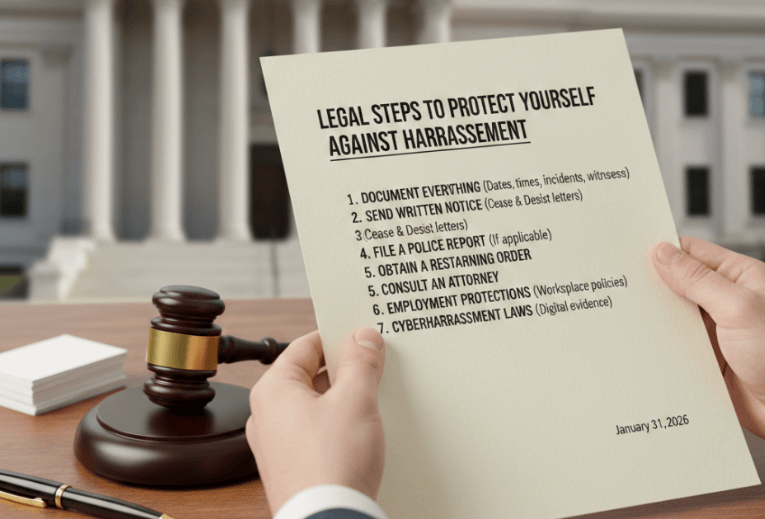
Harassment at work can disrupt sleep, concentration, appetite, and confidence long before any formal complaint is filed. Careful records help preserve facts while stress is still high and memory remains fresh. Dates, locations, witnesses, and exact wording often shape how a report is judged. Investigators, agencies, and courts usually compare accounts across time. A steady written trail can show that harmful conduct occurred, continued, and affected daily functioning in measurable ways.
Written Records Matter
When misconduct is questioned months later, a clear record can steady the facts. In many cases, a Triumph Law sexual harassment lawyer can help by reviewing timelines, witness names, saved messages, and complaint dates, and assessing whether the account stays consistent under scrutiny. Documentation can also show if conduct recurred, whether supervisors had notice, and how the employer responded once concerns were raised.
Details Shape Credibility
Specific notes carry more weight than broad summaries. A useful entry lists the date, time, setting, people present, and exact conduct. Brief comments about nausea, panic, missed tasks, or disrupted focus can also help. Precise detail makes each event easier to compare with witness statements, calendar records, badge logs, and messages. That alignment can increase confidence in the person reporting harm.
Save Original Evidence
A strong file usually includes more than handwritten notes. Emails, texts, meeting invitations, reviews, voicemails, photos, and screenshots may all support a claim. Original material often carries more weight than paraphrased summaries. Full context matters because a single message may be challenged as partial. When possible, copies should be kept in a secure location that remains available if workplace access changes without warning.
Report Patterns, Not Just Moments
A single episode may be severe, yet repeated conduct often reveals a larger pattern. Separate entries can show escalation, retaliation after rejection, or recurring remarks that changed the work setting. Keeping incidents distinct helps preserve accuracy. That structure can clarify frequency, duration, and management awareness. Repetition also matters because legal review often asks whether the employer had several chances to intervene and failed each time.
Internal Complaints Need Proof
Many employers expect reports through set channels, whether human resources, a supervisor, or a compliance office. Anyone who submits a complaint should retain each report, reply, and follow-up. Notes from meetings with managers or investigators may matter later. If a company claims no notice was given, those records may contradict that position. Proof of reporting can also show whether the response was timely, fair, and effective.
Retaliation Often Follows Reports
Legal exposure does not always end after a complaint is filed. Some employees later face schedule cuts, isolation, poor evaluations, or sudden discipline. A written timeline can connect those actions to the earlier report by specifying the sequence and timing. Without records, those changes may appear random. Evidence of retaliation can support a separate claim, even when the original harassment allegation remains disputed.
Memory Changes Under Stress
Stress can alter recall, especially when incidents unfold across several weeks or months. Notes made soon after an event often appear more reliable than a later reconstruction. Small facts, such as laughter, silence, or an interrupted assignment, can fade quickly. A contemporaneous record preserves those details. It also reduces the risk that separate events blend together and weaken the overall account.
Documentation Supports Damages
Many legal claims require proof of harm, not just proof that conduct occurred. Records can show missed shifts, counseling visits, insomnia, reduced earnings, or lost responsibilities after retaliation. Performance evaluations from before and after the conduct may help, too. Those materials connect behavior to practical consequences. That link can affect settlement discussions, perceived credibility, and the remedies available through litigation or agency review.
See also: How Family Law Cases Involving Narcissistic Conflict Work
Common Record Items
Useful documentation may include an incident journal, saved communications, copies of complaints, witness names, calendar entries, and records of work impact. Medical notes or counseling records can also help when emotional distress is part of the claim. Each item serves a different purpose. Together, they create a fuller picture than memory alone and give legal counsel a stronger basis for evaluating the case.
Privacy And Caution
Documentation should stay accurate, lawful, and secure. Employees should avoid changing messages, inflating facts, or taking material they have no right to access. Personal notes are best kept private and stored safely. Accuracy matters more than volume. A short, honest entry is usually stronger than a dramatic account containing errors. Reliable material helps attorneys assess options and protects a claim from avoidable attacks.
Conclusion
Documentation protects legal rights because it converts painful experiences into verifiable facts that others can review. Strong records can show what happened, when it occurred, who knew about it, and how the conduct affected work, health, and daily stability. They can also expose retaliation, preserve original evidence, and support a fair response from employers or courts. When harassment occurs, a consistent paper trail is often one of the most practical protections available.