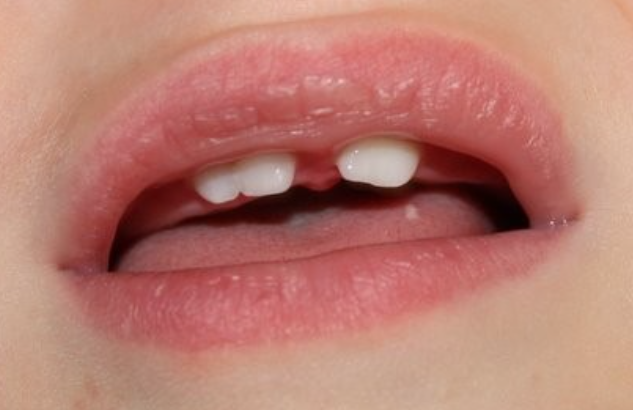
You might be feeling a little thrown off. Your child smiles, you look a bit closer, and one baby tooth seems too wide, split, or joined in a way you did not expect. Before that moment, teeth were just teeth. After that moment, you may be wondering if something is wrong, if it will hurt, or if it means braces and bigger problems later. That worry is real, and it makes sense. A Santa Clarita pediatric dentist can help you understand what this may mean and what to do next.
The short answer is that geminated and fused baby teeth are developmental differences in how teeth form, and while they can look unusual, they are often manageable with the help of a pediatric dentist. The main concerns usually involve spacing, cleaning, cavities, and how adult teeth may come in. With the right exam and follow up, many children do very well.
Why does one baby tooth look larger or split, and what does it actually mean?
This is where the terms can get confusing. A geminated tooth usually starts as one tooth bud that tries to divide, which can create a large tooth that looks like it has a groove or a split crown. A fused tooth happens when two developing tooth buds join together, forming what appears to be one oversized tooth. In everyday life, both can look similar, and that is why parents often need a careful dental exam and X rays to tell the difference.
Because of this, you might wonder whether the difference even matters. Sometimes it does, especially when your child has trouble brushing around deep grooves, food gets trapped more easily, or the tooth count seems off. In some cases, a larger tooth can crowd nearby teeth or affect how the permanent tooth develops underneath. According to the NCBI overview on fused teeth, diagnosis often depends on both the clinical appearance and radiographs, since the root and pulp anatomy can vary quite a bit.
There is also an emotional side to this that parents carry quietly. You may worry that you missed something, or that your child will feel self conscious if the tooth is visible when they smile. Most of the time, this is not caused by anything you did or did not do. It is a developmental variation, and the next best step is simply getting clear information.
What problems can geminated and fused baby teeth cause if you wait and watch?
Some children have no pain at all, which can make it tempting to ignore the issue. But a tooth that looks different can create problems slowly. Deep grooves may collect plaque, which raises the risk of decay. A wide tooth can make flossing hard. If the tooth shape affects the bite, your child may wear other teeth unevenly or have trouble with normal spacing.
So, where does that leave you? Usually somewhere between “maybe it is nothing” and “I do not want to overreact.” That middle ground is exactly why an early dental visit helps. The American Academy of Pediatric Dentistry guidance on developing dentition and occlusion supports early evaluation of tooth and jaw development, especially when a tooth shape or eruption pattern looks unusual.
There are also cases where these teeth are linked with delayed eruption, missing permanent teeth, or alignment concerns. A published clinical review of double teeth in children describes how these conditions can affect both baby and adult dentition, which is why monitoring over time matters as much as the first diagnosis.
Parents often search for answers using phrases like double baby teeth or fused front baby teeth, and that makes sense because the appearance is what stands out first. Still, the real issue is not just how the tooth looks. It is how that tooth functions, how clean it stays, and what it may signal about the teeth still to come.
How are geminated vs fused baby teeth different when it comes to treatment?
Not every child needs treatment right away. In many cases, the plan is regular observation, better home care, and cavity prevention. But if there is decay, pain, crowding, or a problem with how the adult tooth is developing, treatment may become more active. That can include sealants over grooves, fillings, reshaping in select cases, or extraction if the tooth is causing bigger issues.
| Concern | Geminated Baby Tooth | Fused Baby Tooth | Why It Matters |
|---|---|---|---|
| How it forms | One tooth bud partly divides | Two tooth buds join together | Helps explain crown and root shape |
| Tooth count | Often normal when counted as one | May appear reduced if two teeth became one | Can help with diagnosis |
| Common risks | Grooves, plaque buildup, decay | Spacing issues, decay, eruption concerns | Guides follow up care |
| Typical approach | Monitor, improve cleaning, treat decay if present | Monitor, X rays, possible orthodontic planning later | Depends on symptoms and adult tooth development |
This is also where a geminated tooth in children can be easy to underestimate. If your child is not in pain, it may seem harmless. But prevention is often simpler and less stressful than waiting for a cavity or crowding problem to develop.
What can you do right now if you think your child has a double baby tooth?
Schedule an exam before there is pain. An early visit gives you a clearer picture of whether the tooth is geminated, fused, or simply shaped a bit differently. X rays may be recommended to check roots and the permanent tooth underneath.
Focus on cleaning the grooves. If the tooth has a deep line or notch, brush that area carefully twice a day with fluoride toothpaste. Ask your child’s dentist whether a sealant could help protect the surface from decay.
Watch for changes in spacing and eruption. Take note if nearby teeth seem crowded, if the tooth becomes sensitive, or if the adult tooth does not erupt on time. These changes do not always mean trouble, but they do mean it is time for a closer look.
See also: How Trucking and Bus Accident Claims Require Deeper Investigation
When should you feel reassured, and when should you call a pediatric dentist?
You can feel reassured knowing that many children with unusual baby tooth shapes do well with routine monitoring. The goal is not to panic. It is to stay ahead of issues that are easier to manage when found early. If the tooth is hard to clean, looks decayed, causes discomfort, or seems to affect spacing, do not wait for it to sort itself out.
A careful visit with a pediatric dentist can bring a lot of relief. You get answers, a plan, and a better sense of what to expect as your child grows. If you have noticed a wide, split, or joined baby tooth, reach out and schedule an evaluation. A little clarity now can spare you a lot of worry later.