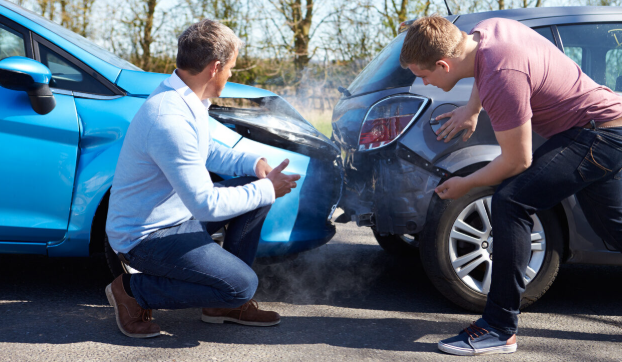
A car accident claim depends on more than the damage visible at the crash scene. Liability evidence, medical records, insurance coverage, lost income, and recovery needs all affect the amount and timing of compensation. Texas law also allows insurers to question fault and injury severity, even when another driver caused the collision. Knowing how these factors connect helps an injured person protect evidence, avoid common mistakes, and make informed decisions as the claim progresses.
How Fault Shapes a Claim
Texas follows a modified comparative fault rule. An injured person can recover compensation when their share of fault is 50% or less, but the award decreases by that percentage. For example, a person assigned 20% fault receives only 80% of the approved damages.
Insurance adjusters often investigate fault before discussing settlement. They review police reports, vehicle damage, photographs, traffic signals, witness statements, and available video footage. A driver’s statements after the crash can also affect liability, so factual and limited communication matters.
A car accident lawyer in Sugar Land can help organize evidence when fault is disputed or several vehicles contributed to the collision. Legal review often focuses on lane position, right-of-way, speed, distracted driving, and road conditions. The evidence must connect the other driver’s conduct to the crash and resulting losses.
See also: How General Dentistry Protects Oral Health Across Every Stage Of Life
Why Medical Evidence Matters
Injuries do not always appear immediately after a collision. Whiplash, concussions, back injuries, and internal trauma can worsen after the initial shock fades. Prompt medical evaluation creates a record of symptoms, examination findings, diagnoses, and recommended treatment.
Follow the treatment plan and attend scheduled appointments. Gaps in care give an insurer an argument that the injury improved, resulted from another event, or does not justify the requested compensation.
Medical records should connect the injury to the collision without exaggeration. They should also document prescriptions, physical therapy, imaging, specialist referrals, work restrictions, and expected future care. Those details help establish both current expenses and ongoing needs.
What Insurance Companies Review
An insurer reviews policy limits, coverage terms, liability evidence, medical documentation, and claimed losses. The at-fault driver’s policy might not cover every expense, especially when injuries require extended treatment or cause substantial wage loss.
Hence, identify all available coverage, including personal injury protection if the policy includes it, as well as uninsured or underinsured motorist coverage. These policies have different requirements, deadlines, and notice rules. The policy language controls what you can recover.
Adjusters may request a recorded statement, medical authorization, employment records, or access to prior medical history. Review each request carefully before providing information. Broad authorizations can expose unrelated health records and create disputes about preexisting conditions.
Calculating Damages After a Crash
Economic damages include medical bills, rehabilitation costs, prescription expenses, property damage, and income lost during recovery. Future medical treatment and reduced earning capacity also belong in the calculation when medical evidence supports them.
Non-economic damages address pain, emotional distress, physical limitations, and reduced enjoyment of daily activities. Texas does not use one universal formula for these losses. The severity of the injury, recovery period, treatment burden, and effect on ordinary routines all influence valuation.
Preserve pay stubs, invoices, mileage records, employer correspondence, photographs, and a daily symptom journal. These materials show how the crash affected work and personal responsibilities beyond the medical chart.
Steps That Protect a Claim
The following steps can help keep your claim on track:
Document The Collision
Photographs should capture vehicle positions, road conditions, traffic controls, visible injuries, and property damage. Collect witness names and contact information when possible. Request and review the police report for factual errors.
Report and Preserve Evidence
Send insurance notices according to the applicable policy requirements. Do not repair or discard vehicles before documenting the damage, unless immediate repairs are necessary for safety. Text messages, dashcam footage, surveillance video, and electronic driving records can disappear quickly.
Avoid Premature Settlement
An early settlement can close the claim before doctors know whether additional treatment is necessary. A release usually prevents later demands for more money. Hence, understand the full medical outlook and available coverage before signing any settlement documents.
Conclusion
A car accident claim becomes stronger when the claimant links each requested dollar to reliable evidence. Fault proof explains liability, medical records establish injury, and insurance documents define available coverage. Early documentation also protects against disputes over treatment, income, and future needs. The next practical step is to gather the crash report, insurance information, medical records, bills, and wage documents, then review them before giving a recorded statement or accepting a settlement.