You might be feeling a little guilty every time you push off a dental visit. Life is busy, kids’ schedules are packed, and if no one is in obvious pain, it is easy to tell yourself that you will book that checkup “next month.” Then another month passes. You are not careless. You are tired and stretched, and you are trying to pick your battles. Riverside dentist end
Because of this tension, you might wonder whether routine screenings are really that important for your family, or if they are just “nice to have” when time and money allow. The short answer is that regular checkups are one of the quiet habits that protect your family’s health, your budget, and your peace of mind over the long run.
This piece will walk you through why routine screenings matter in family oral care, what can happen when they are skipped, how they save money and stress, and what simple steps you can take to get back on track without turning your life upside down.
Why do routine screenings matter if no one’s teeth hurt?
To understand the importance of routine dental checkups for families, it helps to know how dental problems usually start. Cavities, gum disease, and early enamel wear often begin quietly. There is no sharp pain at first. A small cavity can sit in a tooth for months or years before your child mentions sensitivity. By the time it hurts, the damage is usually bigger, and the treatment is more involved.
Regular screenings give a family dentist the chance to spot these tiny changes while they are still easy and less expensive to fix. That can mean a small filling instead of a root canal, or a quick gum cleaning instead of gum disease that affects chewing and even overall health.
You might also be worried about your child’s habits. Maybe they love juice, hate flossing, or still use a bottle at bedtime. During routine visits, your dentist can pick up early signs of trouble and give you specific, realistic suggestions, instead of vague “brush better” advice.
Studies show that children who see a dentist regularly are more likely to have better oral health as they grow. The CDC has shared data showing how many people delay dental care, and how that connects with untreated problems and tooth loss over time. You can see some of that national picture in the CDC statistics on dental visits.
See also: How Daily Household Routines Shape Life Inside Supported Independent Living Homes
What happens when family oral screenings are skipped?
Think about a few “what if” scenarios. A small white spot appears on your child’s front tooth. It is hard to see, and your child does not complain, so months go by. Without a screening, that weak spot can turn into a brown cavity. Now your child needs a filling on a permanent front tooth, which can be emotionally hard for them and worrying for you.
Or picture an adult in the family who gums bleed a bit when brushing. It seems minor, so it is ignored. Without routine cleanings, plaque and tartar build up under the gums. Over time, this can become gum disease, which can affect chewing, breath, appearance, and even conditions like diabetes and heart disease.
There is also the emotional side. When dental visits only happen in emergencies, children start to associate the dentist with pain and fear. They meet their dentist for the first time when they already hurt. A pattern forms. They avoid care as teens and adults, which leads to more emergencies and higher costs.
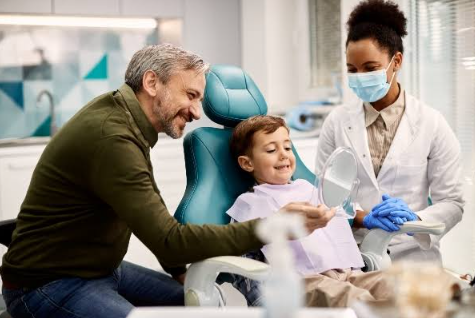
By contrast, when your family dentist sees your children regularly, visits feel familiar. The staff knows their names. The chair and tools are not scary. Cleanings and screenings become a normal, quick part of life, not an ordeal.
For very young children, early screenings are especially protective. The U.S. Preventive Services Task Force has guidance on how to prevent cavities in kids under 5, including fluoride and early checks. You can read their recommendations on screening and interventions for dental caries in young children.
How do routine screenings compare with “wait until there is a problem”?
It is understandable to wonder if it is cheaper or simpler to wait until someone has a toothache. On the surface, fewer visits might sound like fewer costs. In reality, planning regular screenings usually means smaller bills, fewer missed workdays, and less stress.
The table below compares a preventive, screening-based approach with a “problem-only” approach many families fall into without meaning to.
| Approach | Short-Term Experience | Long-Term Health Impact | Typical Financial Impact |
|---|---|---|---|
| Routine screenings and cleanings | Quick visits, minor discomfort, predictable schedule | Fewer cavities, early detection, better gum health, less fear of dentist | Regular, smaller costs, fewer emergencies, lower total spending over time |
| Waiting for pain or visible problems | Fewer visits at first, but higher stress when issues appear | More advanced decay, higher risk of tooth loss and infections, more anxiety | Irregular large bills, emergency visits, possible missed work and school |
| Home care only, no professional screenings | Simple routine, no office visits, but uncertainty about hidden issues | Good brushing helps, yet silent problems can grow unnoticed | Low immediate cost, but risk of sudden, expensive treatment later |
Good home care is essential, especially brushing with fluoride toothpaste and flossing. The CDC has shared practical oral health tips for children that can support what happens in the dental office. Still, home care and professional screenings work best together, not in place of each other.
What simple steps can you take to protect your family’s smiles?
You do not have to overhaul your entire routine to start benefiting from preventive family oral care. Small, consistent actions make the biggest difference.
1. Put dental checkups on the calendar like any other important appointment
Decide on a rhythm that works for your family, usually every six months, and treat it like a school event or work meeting. Add reminders in your phone. If your children are anxious, schedule visits at calmer times of day, and talk about the dentist in simple, neutral language. “They help keep our teeth strong and clean” is enough.
2. Use screenings as a coaching moment, not a judgment
When the dentist points out areas to improve, try to frame it as a team effort. For example, “We are going to work together on brushing the back teeth a little better” instead of “You are not brushing well enough.” This reduces shame and helps kids stay open to guidance. Ask the dentist to show both you and your child exactly how to brush or floss tricky spots.
3. Connect home habits to what the dentist sees
After a visit, take a minute at home to recap one or two key points. Maybe the dentist noticed early plaque between back teeth. You can say, “Remember how the dentist said those teeth need extra brushing. Let us focus on that this week.” Keep it small and achievable. Over time, your child learns that what happens in the bathroom mirror and what happens in the dental chair are part of the same story.
Where does this leave you and your family?
You might still feel a little overwhelmed, and that is completely normal. Shifting from “we go when something hurts” to “we go regularly to prevent problems” takes a bit of planning, especially when everyone is busy and budgets are tight.
Yet every routine screening you schedule is a quiet act of protection. It helps catch issues early, teaches your children that caring for their teeth is normal and manageable, and reduces the chance of painful emergencies that throw your life off balance.
The next best step is simple. Choose a family dental care provider you trust, book the next round of checkups, and treat those visits as part of your family’s basic health routine, just like yearly physicals or school vaccines. A few steady habits now can spare you a great deal of worry later, and give your family the comfort of healthy, confident smiles for years to come.