Off-grid life needs a consistent power supply that can satisfy daily demands without relying on the electrical grid. A solar-powered generator produces clean, renewable energy for lighting, refrigeration, communication, and other applications. These systems collect power from solar panels and distribute it as required, day or night, regardless of weather. Solar generators are a quiet, fuel-free alternative to gas generators for those who live in isolated places, cottages, or compact dwellings. This tutorial delves into how solar generators enable off-grid life, how to select the best system, and how to prepare for long-term stability. Living off-grid may be both environmentally friendly and comfortable if done correctly.
What Does Off-Grid Living With a Solar Generator Look Like?
Powering Daily Essentials Without Grid Access
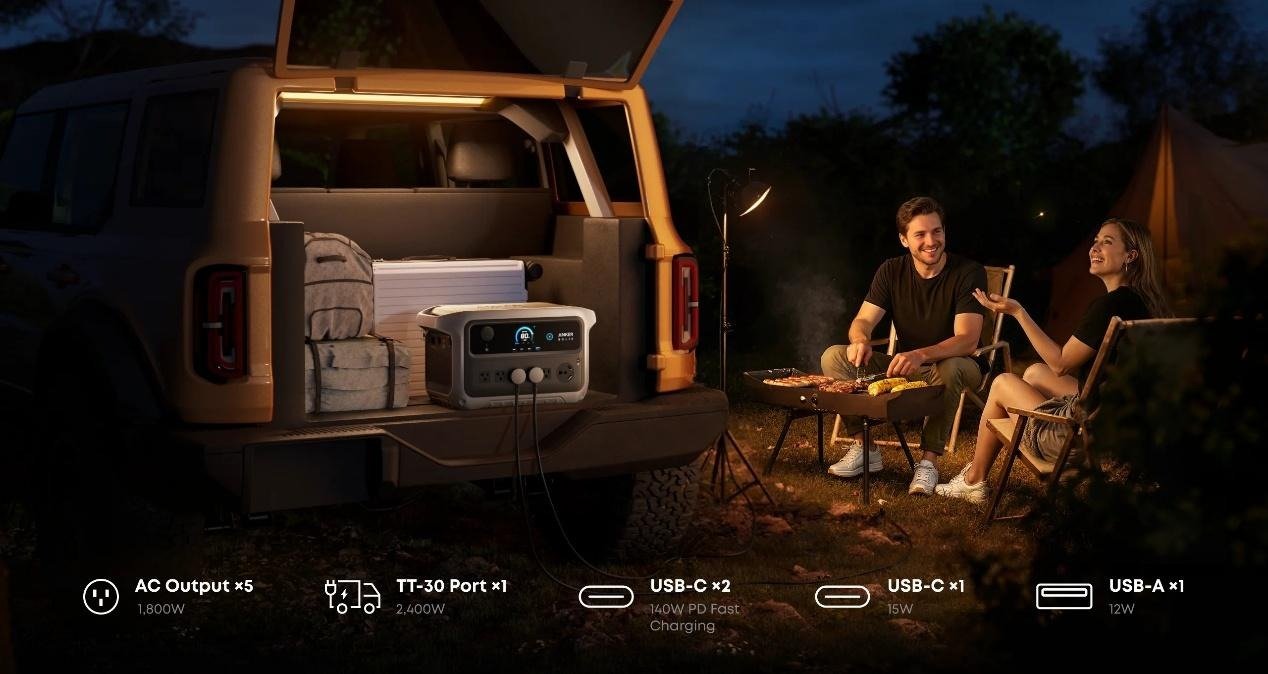
Living off-grid with a solar generator requires powering critical equipment such as lights, a refrigerator, phones, a laptop, fans, and, in certain cases, a water pump—all without the need for utility energy. A properly designed system may efficiently power these gadgets utilizing energy conserved during sunny hours. Even small generators can power low-power devices, while bigger systems can handle appliances and backup loads. Power is scarce; thus, careful preparation is required. You will need to keep track of battery levels, regulate consumption, and charge devices intelligently. For many people, off-grid living with solar involves trade-offs, but it provides steady electricity while eliminating fuel expenditures, noise, and the necessity for a permanent utility connection.
Managing Energy Use in an Off-Grid Lifestyle
Energy awareness becomes second nature when you live off-grid with a solar powered generator. You’ll learn to prioritize low-wattage devices and stagger your usage to minimize draining the battery. To increase runtime, use LED lights, direct current appliances, and energy-efficient devices. If your system does not handle high-draw gadgets such as microwaves or electric heaters, avoid using them. Monitoring power input and battery health on a regular basis helps to balance requirements with available energy. Some days may necessitate a reduction, particularly during the winter or on overcast days. Solar generators can provide a stable off-grid living with discipline and smart gadget selections, but success requires savvy power usage and regular habit adjustment.
How Do You Choose a Solar Generator for Off-Grid Living?
Sizing Battery Capacity and Solar Input Correctly
To select the best solar-powered generator for off-grid living, estimate your entire daily energy use in watt-hours (Wh). Add up the wattage of all your critical gadgets and multiply by the number of hours used. A typical off-grid user may demand 1,500 to 3,000 Wh per day. Choose a generator with adequate battery capacity to handle the load, plus extra for overcast days. Next, match the solar panel input: a 1,000Wh battery normally requires at least 200W-400W of panel capacity to recharge in direct sunlight. Oversizing your input allows for faster charging and improved performance in changing conditions. Accurate sizing is essential for long-term off-grid power generation.
Expandable Systems, Extra Batteries, and Panels
Expandable solar generator systems provide off-grid users greater flexibility over time. Look for versions that allow for battery extension or accept extra batteries to improve capacity as your energy requirements expand. Some systems have modular panel configurations, allowing you to add extra watts to speed up charging. Extra panels are especially beneficial in cold or foggy climates. Swappable battery packs enable you to alternate storage while one charges. Consider systems that allow for chaining or are compatible with bigger lithium batteries. Scalability guarantees that your solar system remains dependable when your home changes, your appliances expand, or your living space transitions from basic to higher-powered use.
Durability, Reliability, and Long-Term Use
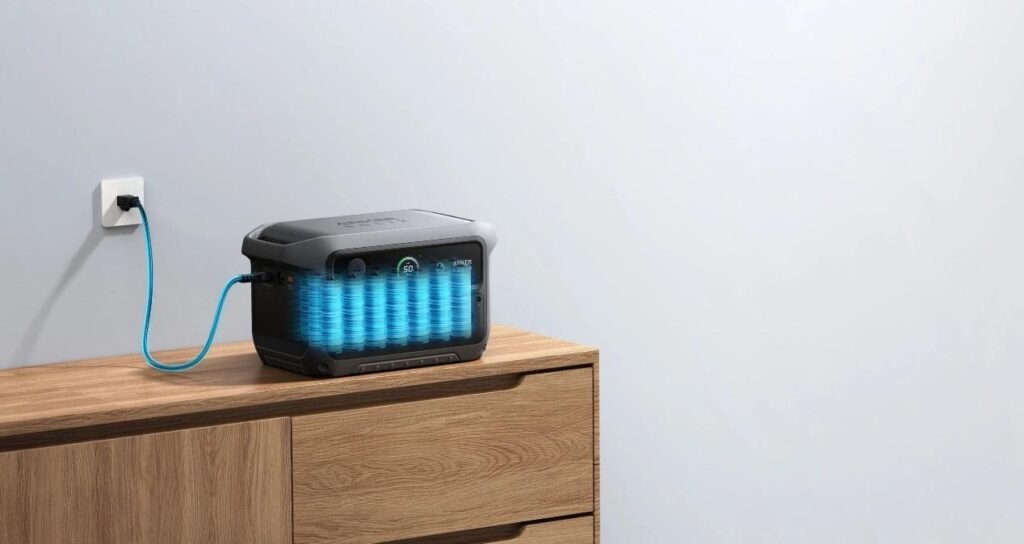
Off-grid living demands a solar generator that’s built to last—and the Anker SOLIX C2000 Gen 2 is designed for exactly that. With a rugged, compact build and only 9W idle power consumption, it delivers efficient, long-term power in remote environments. Its LFP battery supports up to 4,000 cycles and a 10-year lifespan, making it ideal for daily off-grid use. The C2000 Gen 2 includes a pure sine wave inverter to safely power sensitive electronics, plus smart safety features like temperature control, overload protection, and 10ms switchover. Weather-resistant construction, real-time app monitoring, and ultra-fast recharging make it a reliable energy companion where durability and dependable power aren’t optional—they’re essential.
See also: Autonomous Vehicle Technology Explained
How Can You Make Off-Grid Solar Power More Reliable?
Load Prioritization and Daily Power Planning
Creating a daily power plan improves dependability in off-grid solar installations. List gadgets by significance and wattage, then plan your consumption around solar generation. Run high-draw things only when the battery is fully charged, or the sun is shining. Charge phones, lights, and computers throughout the day to avoid an evening drain. Use timers or smart plugs to manage runtime. Set aside additional electricity for emergencies or weather delays. Sticking to a strategy avoids battery drain and keeps your machine running smoothly. Solar generators provide reliable off-grid electricity, but only if used properly. Careful preparation guarantees that you always have energy when you need it the most.
Seasonal Adjustments and Weather Challenges
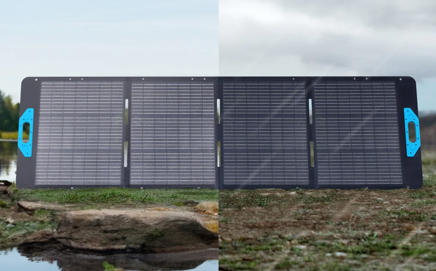
Winter, storms, and gloomy conditions diminish solar intake; therefore, seasonal planning is essential. Increase the panel tilt angle throughout the winter to capture low solar angles and prevent snow accumulation. Consider adding portable or foldable panels to increase input on low-light days. Monitor weather forecasts and adapt your power use when sunshine is low. You may need to reduce your daily load, use fewer appliances, or save more energy in preparation. Use backup lights and manual tools as needed. A reliable off-grid system changes with the seasons. Building in redundancy and flexibility guarantees that your solar generator works even under the most extreme weather circumstances.
Combining Solar Generators With Other Energy Sources
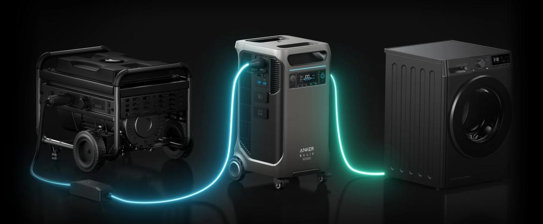
While solar may meet the majority of off-grid demands, integrating it with additional sources increases reliability. During lengthy overcast times, a modest gas generator, wind turbine, or propane system can provide backup power for solar. Many off-grid residences employ hybrid systems in which solar powers regular operations and backup systems manage peaks or emergencies. Some solar generators have pass-through charging, which allows you to operate loads while recharging from different sources. Alternator- or hydro-charged battery banks can also complement solar power. Blending sources helps you to be comfortable and functional all year round. Diversifying your energy mix decreases reliance on a single source while increasing overall resilience.
Conclusion
Living off the grid with a solar-powered generator provides freedom, sustainability, and energy independence. It involves careful planning, efficient energy consumption, and the appropriate equipment to satisfy your requirements. Solar generators can power lights and appliances as well as manage seasonal variations, allowing you to live your life off the grid. Choosing a sturdy, extensible system provides long-term dependability, while integrating solar with other sources increases resilience. Off-grid living is more than just a way of life; it represents a dedication to efficiency and adaptability. With the proper configuration, your solar generator may become the heart of a self-sufficient house, providing clean electricity wherever life takes you—rain, snow, or sun.