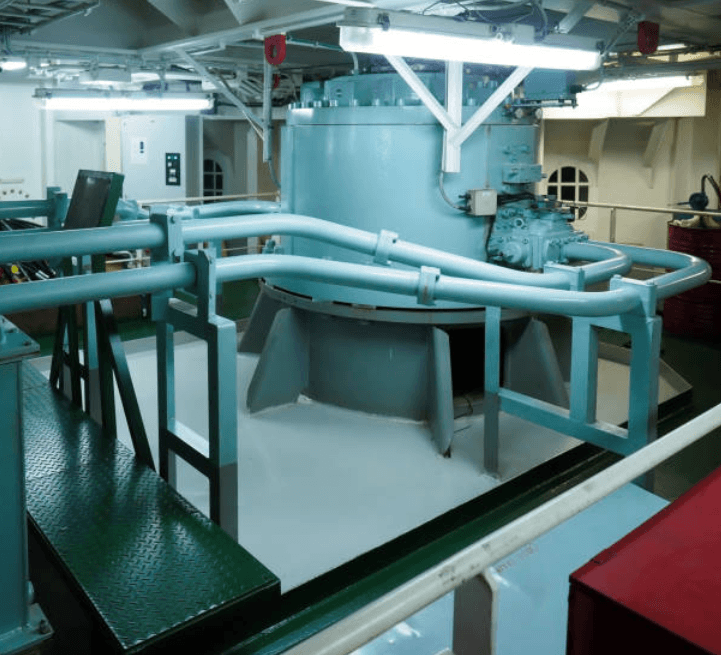
Marine vessels rely on complex engineering systems to ensure smooth operation, safety, and compliance with environmental standards. Among these components, the marine exhaust reducer plays a vital yet often overlooked role. It is a small but essential part that helps regulate exhaust flow, maintain system integrity, and improve overall engine performance.
Whether used in commercial fleets, offshore platforms, or recreational boats, a properly selected and maintained marine exhaust reducer can significantly enhance efficiency and longevity. This article explores its function, importance, common challenges, and the advantages of working with a professional facility management company.
What Is a Marine Exhaust Reducer
A marine exhaust reducer is a fitting used in exhaust systems to connect pipes or hoses of different diameters. It allows for a smooth transition between sections of the exhaust system, ensuring that gases flow efficiently without unnecessary turbulence or pressure loss.
Key Functions
The marine exhaust reducer performs several important functions:
- Facilitates connection between different pipe sizes
- Maintains consistent exhaust flow
- Reduces back pressure in the system
- Supports efficient engine operation
- Enhances system durability
Though simple in design, its role is critical in maintaining the balance and efficiency of the entire exhaust system.
Importance of Marine Exhaust Reducers in Vessel Performance
The efficiency of a marine exhaust system depends heavily on proper airflow and pressure management. A poorly designed or incorrectly installed marine exhaust reducer can disrupt this balance.
Maintaining Optimal Flow
A well designed marine exhaust reducer ensures a gradual transition between pipe sizes, minimizing turbulence and maintaining smooth airflow.
Reducing Engine Strain
Improper exhaust flow can increase back pressure, forcing the engine to work harder. This leads to higher fuel consumption and potential mechanical issues.
Enhancing System Longevity
By preventing stress on joints and connections, a marine exhaust reducer helps extend the lifespan of the entire exhaust system.
Supporting Compliance
Efficient exhaust systems contribute to reduced emissions, helping vessels meet environmental regulations.
Types of Marine Exhaust Reducers
Different applications require different types of reducers. Understanding these variations is essential for selecting the right component.
Concentric Reducers
Concentric reducers maintain a symmetrical shape, allowing for even flow distribution. They are commonly used in vertical exhaust systems.
Eccentric Reducers
Eccentric reducers have an offset design that helps prevent air pockets or water accumulation. They are ideal for horizontal installations.
Flexible Reducers
Flexible marine exhaust reducers are made from materials such as rubber or silicone. They provide vibration absorption and ease of installation.
Custom Fabricated Reducers
In specialized applications, custom reducers are designed to meet specific requirements related to size, material, and performance.
Materials Used in Marine Exhaust Reducers
Material selection is crucial for durability and performance in harsh marine environments.
Stainless Steel
Stainless steel is widely used due to its strength and resistance to corrosion. It is suitable for high temperature and high pressure applications.
Fiberglass
Fiberglass reducers are lightweight and resistant to corrosion, making them ideal for certain marine applications.
Rubber and Silicone
These materials are used in flexible reducers to provide elasticity and vibration resistance. They are commonly used in connections between rigid components.
Common Challenges and Issues
Despite their importance, marine exhaust reducers can face several challenges over time.
Corrosion
Exposure to saltwater and humidity can lead to corrosion, weakening the reducer and affecting performance.
Improper Installation
Incorrect alignment or sizing can cause leaks, increased back pressure, and system inefficiency.
Wear and Tear
Continuous exposure to heat and vibration can degrade materials, especially in flexible reducers.
Blockages
Carbon buildup or debris can accumulate near the reducer, restricting airflow and reducing efficiency.
See also: Autonomous Vehicle Technology Explained
Maintenance Best Practices
Regular maintenance is essential to ensure the reliability of a marine exhaust reducer.
Routine Inspections
Inspect reducers for signs of corrosion, cracks, or deformation. Early detection of issues can prevent costly repairs.
Cleaning
Remove carbon deposits and debris to maintain smooth airflow and prevent blockages.
Proper Alignment
Ensure that the reducer is correctly aligned with connected pipes to avoid stress and leaks.
Timely Replacement
Replace worn or damaged reducers promptly to maintain system performance and safety.
Industry Insights: Trends and Innovations
The marine industry is evolving, and components like the marine exhaust reducer are benefiting from technological advancements.
Improved Materials
New materials offer enhanced resistance to heat and corrosion, increasing the lifespan of reducers.
Precision Engineering
Advanced manufacturing techniques allow for more precise designs, improving airflow and efficiency.
Integration with Modern Systems
Reducers are being designed to work seamlessly with advanced exhaust systems that include emission control technologies.
Practical Example: Commercial Shipping Vessel
In a commercial shipping vessel, the exhaust system must handle high volumes of gases under continuous operation. A poorly designed marine exhaust reducer can create bottlenecks, increasing back pressure and reducing engine efficiency.
By using high quality reducers and implementing a regular maintenance schedule, operators can ensure smooth exhaust flow, lower fuel consumption, and reduced downtime.
Practical Example: Recreational Boat
For a recreational boat, comfort and reliability are key. A damaged marine exhaust reducer can lead to increased noise, vibration, and unpleasant fumes.
Routine inspection and timely replacement of reducers help maintain a quiet and efficient system, enhancing the overall boating experience.
Benefits of Hiring a Facility Management Company
Managing marine exhaust systems, including the marine exhaust reducer, requires expertise and consistent attention. Facility management companies offer valuable services that ensure optimal performance.
Expertise and Experience
Professionals understand the complexities of marine exhaust systems and can identify issues quickly and accurately.
Preventive Maintenance Programs
Scheduled maintenance helps prevent unexpected failures and extends the lifespan of components.
Cost Efficiency
Preventive care reduces the risk of major repairs, resulting in long term cost savings.
Regulatory Compliance
Facility management companies ensure that systems meet environmental and safety standards, reducing the risk of penalties.
Access to Advanced Tools
Professional service providers use specialized equipment for diagnostics and repairs, ensuring high quality results.
Enhanced Safety
Properly maintained exhaust systems reduce the risk of leaks and engine damage, protecting both crew and passengers.
Choosing the Right Marine Exhaust Reducer
Selecting the appropriate marine exhaust reducer is critical for system performance.
Factors to Consider
- Pipe size and compatibility
- Material suitability for the environment
- Temperature and pressure requirements
- Installation orientation
- Compliance with industry standards
Working with Experts
Consulting with professionals ensures that the right reducer is selected and installed correctly.
Environmental Impact and Sustainability
Efficient exhaust systems contribute to environmental protection by reducing emissions and improving fuel efficiency.
Sustainable Practices
- Using high quality materials for longer lifespan
- Maintaining systems to prevent leaks and inefficiencies
- Upgrading components to meet modern standards
Facility management companies often incorporate sustainable practices into their services, helping vessel owners minimize their environmental footprint.
Future Outlook
The future of marine exhaust systems, including the marine exhaust reducer, is shaped by innovation and environmental considerations.
Advanced Materials
New materials will offer greater durability and resistance to extreme conditions.
Smart Monitoring
Integration with digital monitoring systems will enable real time performance tracking and predictive maintenance.
Stricter Regulations
As environmental standards become more stringent, efficient exhaust components will become increasingly important.
Conclusion
The marine exhaust reducer is a small but essential component that plays a significant role in the performance, efficiency, and safety of marine exhaust systems. Its proper selection, installation, and maintenance are crucial for ensuring smooth operation and compliance with environmental standards.
By partnering with a professional facility management company, vessel owners can benefit from expert support, preventive maintenance, and long term cost savings. Investing in high quality components and reliable services ensures that marine systems operate efficiently and safely for years to come contact us