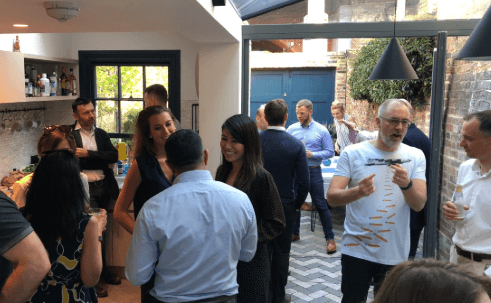
Building thriving communities where people genuinely want to live takes careful planning, bold vision, and a lasting commitment to urban excellence. It’s about far more than physical infrastructure. It’s about creating spaces that spark connection, inspire growth, and support well-being for generations. By blending innovative urban planning with a deep understanding of human needs, some leaders and organizations have set powerful benchmarks in community building.
Designing with People in Mind
Successful community development begins with human-centered design, prioritizing accessibility, inclusivity, and adaptability. Urban planners focus on integrating housing, parks, and transportation to cater to diverse populations. They consider practical aspects like walkability and access to services, not just aesthetics. According to a study by the American Planning Association, neighborhoods designed with mixed-use spaces and easy access to services foster stronger communities. This design encourages residents to spend more time outside, interact with each other, and build lasting relationships, leading to a greater sense of belonging and shared ownership of public spaces.
Prioritizing Sustainability and Green Spaces
Thriving communities are built with sustainability in mind. Green spaces, energy-efficient infrastructure, and smart waste management improve both the environment and residents’ quality of life. Parks, gardens, and eco-conscious designs are more than just functional; they foster health, wellness, and recreation. Cities such as Copenhagen demonstrate that integrating green features like trees, green roofs, and renewable energy systems can reduce pollution and enhance happiness and livability. These investments contribute to community resilience and attract future generations.
Building for Connection and Shared Experiences
Modern urban developments must create environments that strengthen personal connection and community engagement. Vibrant public spaces where residents gather, cultural hubs that celebrate local identity, and streets lined with small businesses all weave a rich tapestry of shared experiences. Collaboration among architects, sociologists, and civic leaders ensures that neighborhoods pulse with energy and opportunity. Entertainment venues, co-working spaces, and family-friendly zones create layers of interaction that break down traditional boundaries. According to studies published by the Project for Public Spaces, communities that foster social cohesion see lower crime rates and better overall well-being — further proof of the vital link between shared spaces and societal health.
Leadership that Inspires Visionary Growth
Behind every extraordinary community is the vision of leaders who champion creativity, inclusivity, and integrity in their planning efforts. These individuals weigh long-term impacts, build strong partnerships, and focus on enriching lives. Terry Hui Concord Pacific President and CEO, has played a key role in shaping projects that balance bold ambition with sustainable practices. Over three decades, Terry Hui has guided Concord Pacific’s growth through signature developments across Canada. This leadership is vital for creating development frameworks that meet immediate needs while adapting to future advancements, ensuring communities thrive for generations.
See also: Business Funding for Small Business: Practical Strategies and Funding Options
Leaving a Legacy That Uplifts Generations
What raises a community from functional to extraordinary is its ability to leave a lasting, positive legacy. Infrastructure that evolves alongside social and technological change keeps neighborhoods relevant and desirable. The best urban developments offer quality living spaces, but they also inspire civic pride, preserve culture, and give every resident meaningful opportunities to contribute and collaborate. By drawing on collective expertise, fostering inclusion, and investing in resilient, adaptable designs, leaders and developers create more than neighborhoods — they shape homes and legacies.
Communities where people truly want to live are built on connection, sustainability, and forward-thinking leadership. They are vibrant, living ecosystems designed to nurture individual aspirations and collective success, laying the foundation for a brighter, more inclusive future for all.