Walk into any furniture store, and you will see plywood everywhere. Cabinets, wardrobes, kitchen units. Most people never think about how these sheets get made. That might be a mistake.
The quality of plywood decides whether your kitchen cabinets last five years or twenty. It affects whether moisture seeps in and ruins your wardrobe. Poor manufacturing means formaldehyde fumes in your bedroom. Good manufacturing means furniture that outlives your mortgage.
So what actually happens inside a plywood factory in India? Let’s break it down.
Raw Material Selection Sets Everything in Motion
A plywood factory in India starts with logs. Not just any logs. Manufacturers source timber from rubber wood, eucalyptus, pine, or hardwoods like gurjan. The species matters because it affects strength and moisture resistance.
Workers inspect each log when it arrives. They check for rot, insect damage, and cracks. Logs with defects get rejected right there. This first check determines whether your furniture will last or fall apart in humid weather.
Debarking and Cutting Prepare the Wood
Machines strip the bark off selected logs. Then workers cut them into shorter sections, usually around 1.3 to 2.6 metres. This makes handling easier in the next stages.
The logs soak in hot water tanks for 24 to 40 hours. This softens the wood fibres. It also brings the moisture content to around 60-80 per cent. Without this step, the wood would splinter when machines try to peel it.
Temperature and soaking time vary by wood species. Some factories rush this process. They pull logs out early to speed up production. The result? Uneven veneer thickness and sheets that warp after a few months.
Veneer Peeling Creates the Layers
Here is where logs become thin sheets. A rotary lathe spins the log while a blade peels off a continuous ribbon of wood. Think of unrolling paper towels, but with timber.
The veneer thickness ranges from 0.6 mm to 3.2 mm, depending on the final plywood grade. Thicker veneers go into the core. Thinner ones become the face and back layers.
Skilled operators adjust blade pressure and log speed constantly. Too much pressure crushes the wood fibres. Too little creates a rough, uneven veneer. This is where craftsmanship meets machinery.
You cannot see this veneer quality when buying finished plywood. But it affects how screws hold, how paint adheres, and whether edges chip during cutting.
Drying Removes Excess Moisture
Fresh veneer contains too much water. Factories dry these sheets in massive ovens or continuous dryers. The moisture content drops to 8-12 per cent.
A good plywood factory in India monitors temperature and humidity precisely. They test moisture content at multiple points. This costs more time and money, which is why cheaper plywood often uses rushed drying methods.
Grading and Sorting Separate Quality Levels
Workers inspect dried veneer sheets under good lighting. They sort them by appearance and defects. Top-grade veneer has minimal knots and smooth grain. Lower grades show more imperfections.
Face veneer determines what you see on finished furniture. Core veneer provides structural strength. Back veneer is usually of medium quality. Factories mix these grades to create different plywood categories.
This is where buyers need to pay attention. Some sellers show you Grade A face veneer but use Grade C or D for the core. Your cabinet looks fine initially, but lacks internal strength. A year later, shelves sag under normal weight.
See also: SEO Services in Dubai: Driving Digital Growth in the Heart of the Middle East
Glue Application Bonds the Layers
Factories spread adhesive on veneer sheets using rollers or spray machines. The glue type matters enormously. Phenol formaldehyde works for the boiling waterproof (BWP) grade. Urea formaldehyde suits the moisture-resistant (MR) grade.
Quality manufacturers follow Bureau of Indian Standards (BIS) specifications. They test glue strength regularly. This costs more but prevents the nightmare of furniture falling apart after installation.
Pressing Creates the Final Board
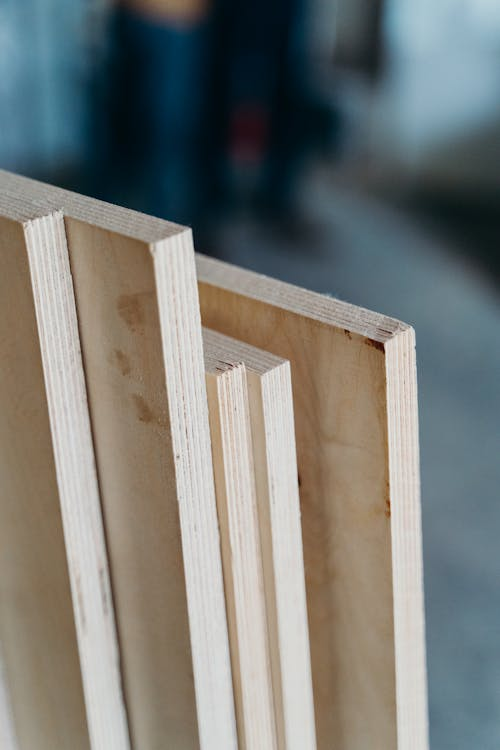
Workers stack veneer sheets with glue between them. The grain direction alternates in each layer. This cross-grain structure gives plywood its strength.
Hot presses apply massive pressure and heat. Temperatures reach 120-140 degrees Celsius. Pressure ranges from 1.2 to 2 MPa. This process cures the glue and bonds all layers into a solid board.
Trimming and Sanding: Finish the Product
Giant saws trim the pressed boards to standard sizes. Common dimensions include 8 feet by 4 feet. Workers sand the surface to remove roughness and achieve uniform thickness.
Some factories skip proper sanding to save costs. You get rough plywood that needs extra preparation before painting or laminating. This adds to your installation expenses and time.
Final inspection checks for delamination, surface defects, and thickness variations. Quality units reject boards that do not meet specifications. Budget factories push everything to market regardless of defects.
What This Means for Your Purchase
Manufacturing quality affects everything. Properly processed plywood resists moisture, holds screws firmly, and lasts decades. Poorly made sheets warp, delaminate, and emit harmful fumes.
When buying plywood, ask about the manufacturing process. Check for BIS certification marks. Look for uniform thickness and smooth surfaces. Press the edges to feel for soft spots or gaps between layers.