Seasonal changes have a direct impact on how households use electricity throughout the year. Temperature shifts, daylight hours, and lifestyle routines all influence which appliances run most often and how long they stay in use. Many families notice higher utility bills during certain months but may not always understand the reasons behind these fluctuations. Recognizing these seasonal patterns can help households plan energy use more efficiently and prepare for periods of higher demand. In this article, the ways household power needs change across the seasons and how to manage those shifts more effectively are explained.
1. Winter Heating Demands
Increased electricity for space heaters and heat pumps
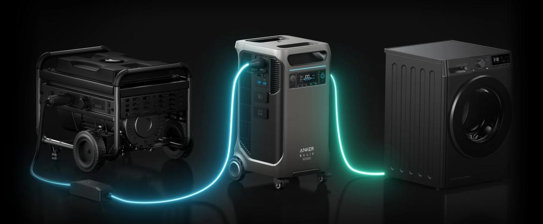
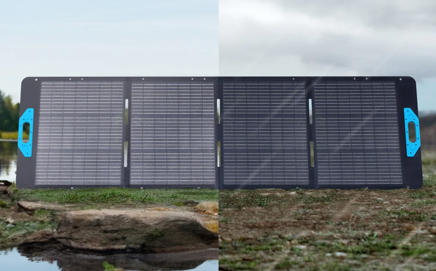
Cold weather significantly increases reliance on electric heating systems in many homes. Space heaters are often used to warm specific rooms, especially in older houses with uneven insulation. Heat pumps and electric furnaces may run for longer cycles to maintain comfortable indoor temperatures, which can prompt some households to consider backup solutions such as solar power generators for supplemental energy. This extended operation leads to higher overall electricity consumption during winter months. Monitoring heating usage, improving insulation, and exploring options like solar power generators can help reduce strain on both the system and the household budget.
Longer lighting hours due to shorter days
Shorter daylight hours during winter naturally lead to more indoor lighting use. Lights are switched on earlier in the afternoon and stay on longer in the morning before sunrise. Homes with multiple occupied rooms may see a noticeable increase in lighting-related electricity use. Decorative and outdoor lighting also tends to rise during darker months. Switching to energy-efficient bulbs can help offset some of this seasonal increase.
2. Summer Cooling Requirements
Air conditioning becomes major power consumer
As temperatures rise, air conditioning systems often become the largest source of household electricity consumption. Central cooling systems and window units may run for many hours each day to maintain comfortable indoor conditions. Poor insulation or air leaks can cause these systems to work even harder than necessary. Ceiling fans and smart thermostat settings can help reduce overall cooling demands. Managing indoor temperatures carefully can make a noticeable difference in summer energy bills.
Refrigerators work harder in hot weather
Higher ambient temperatures force refrigerators and freezers to operate more frequently to maintain safe food storage conditions. Opening doors often during warm weather also introduces additional heat that the appliance must counteract. Overloaded units or blocked ventilation areas can further reduce efficiency. Keeping coils clean and ensuring proper airflow around the appliance can improve performance. These small maintenance steps help reduce unnecessary electricity use during hot months.
3. Spring and Fall Transition Periods
Reduced heating/cooling needs
Mild temperatures during spring and fall often lead to reduced reliance on both heating and cooling systems. Windows may be opened for natural ventilation, lowering demand for powered climate control. This seasonal break can provide noticeable relief in energy bills compared to peak summer or winter months. However, temperature swings can still prompt occasional heater or air conditioner use. Monitoring weather changes and adjusting settings accordingly helps maintain efficiency during these transitional periods.
Increased outdoor lighting and power tools
Longer daylight and comfortable weather encourage more outdoor activities around the home. Yard maintenance tools such as electric trimmers, lawn equipment, and pressure washers may see more frequent use. Outdoor lighting for patios, pathways, or landscaping can also increase during evenings spent outside. These additions may not individually consume large amounts of power, but together they contribute to seasonal energy patterns. Using timers or motion sensors can help manage outdoor electricity use efficiently.
See also: Autonomous Vehicle Technology Explained
4. Holiday Season Spikes
Decorative lighting and entertainment systems
Holiday periods often bring extra decorative lighting both indoors and outdoors. String lights, illuminated displays, and seasonal decorations can stay on for many hours each day. Entertainment systems may also run longer as families gather for movies, music, or celebrations. These combined factors can cause short-term spikes in electricity usage. Choosing LED decorations and setting timers can help reduce the overall impact.
Extra cooking and baking for gatherings
Ovens, stovetops, and small kitchen appliances are used more frequently during holiday cooking and baking. Preparing meals for guests often requires multiple dishes to be cooked simultaneously. Extended appliance use leads to increased electricity or gas consumption depending on the equipment. Kitchen heat can also affect indoor temperatures, sometimes increasing cooling needs even in cooler months. Planning cooking schedules efficiently can help manage energy use during busy periods.
5. Seasonal Lifestyle Changes
Summer: pool pumps, outdoor entertainment
Warm-weather lifestyles often shift more activities outdoors. Pool pumps, filtration systems, and outdoor audio equipment can run for extended hours during summer. Electric grills, patio heaters, and outdoor projectors may also be used for gatherings. These conveniences add to the household’s overall seasonal electricity profile. Managing run times and using energy-efficient equipment can help keep consumption under control.
Winter: electric blankets, indoor entertainment systems
Colder months encourage more time spent indoors, often increasing use of entertainment devices and comfort appliances. Electric blankets and heated mattress pads provide targeted warmth without raising the thermostat. Televisions, gaming consoles, and streaming devices may operate for longer periods during indoor leisure time. These combined habits can subtly increase electricity usage beyond heating needs alone. Being mindful of standby power and turning devices off when not in use can help reduce waste.
Conclusion
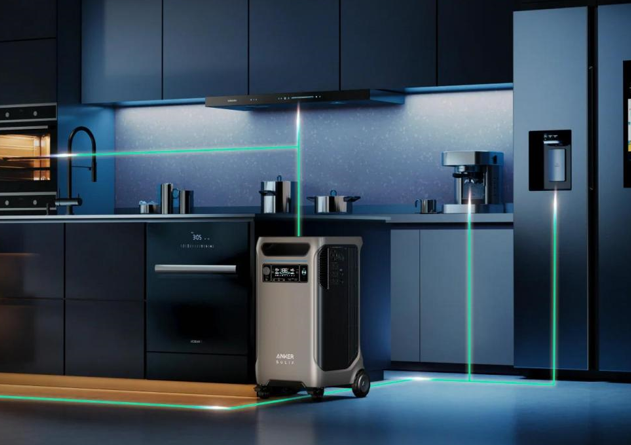
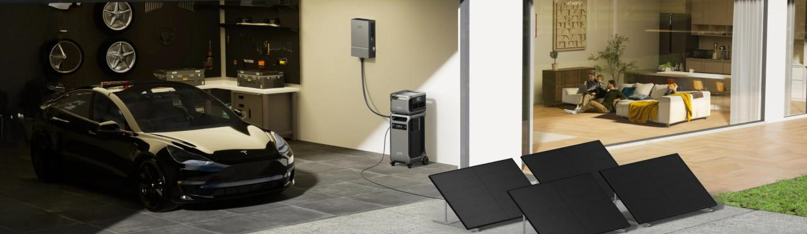
Household energy use naturally shifts with the seasons—affecting when and how electricity is needed. Understanding these patterns helps manage peak demand and protect essential appliances. As portable backup power becomes part of practical home planning—not just emergency gear—it offers flexibility during high-use periods and outages. Systems like the Anker SOLIX solar power generators fit smoothly into daily life with scalable storage, reliable output for common devices, and app-based monitoring that aligns power use with seasonal needs. This adaptable support makes it easier to run heating, cooling, and seasonal appliances without overloading home circuits.