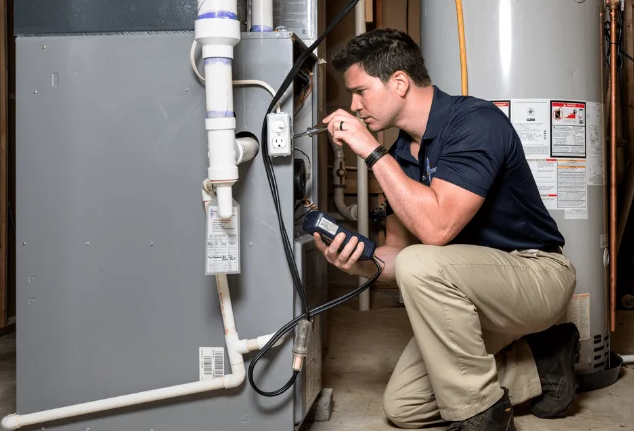
A furnace breakdown rarely happens at a convenient time. Whether it occurs during the middle of the night or on the coldest day of winter, losing heat can quickly affect your comfort and daily routine. That’s why emergency furnace repair is essential when a heating system suddenly stops working or begins showing serious warning signs.
Knowing how to recognize an emergency and respond appropriately can help minimize damage while restoring reliable heating as quickly as possible.
When Is Emergency Furnace Repair Necessary?
Not every furnace issue requires immediate attention, but certain situations should never be ignored. Emergency furnace repair becomes necessary when the heating system cannot safely or effectively warm your home.
Some emergencies develop suddenly, while others begin with small warning signs that gradually become more severe.
See also: How Medical Spas Treat “Tech Neck” Lines And Crepey Skin
Common Situations That Require Immediate Repair
Several furnace problems may require urgent service.
Complete Heating Failure
If the furnace produces no heat despite correct thermostat settings, professional emergency furnace repair is usually necessary to diagnose and restore operation.
Burning or Electrical Odors
Persistent burning smells may indicate overheating electrical components or other internal problems that require immediate inspection.
Loud Mechanical Sounds
Grinding, banging, or screeching noises often suggest damaged moving parts. Continuing to operate the furnace could increase the extent of the damage.
Continuous Short Cycling
A furnace that repeatedly starts and stops without properly heating the home places excessive stress on internal components and should be inspected promptly.
Weak Airflow
Poor airflow limits heating performance and may signal blower motor issues, clogged filters, or airflow restrictions inside the system.
Warning Signs Before a Furnace Emergency
Many homeowners notice subtle changes before requiring emergency furnace repair.
Uneven Indoor Temperatures
Rooms that remain consistently colder than others often indicate declining furnace performance.
Higher Utility Bills
An inefficient furnace usually consumes more energy while delivering less heat, making rising energy costs an early warning sign.
Delayed Startup
If the furnace hesitates before starting or fails to ignite consistently, professional evaluation is recommended.
Unusual Vibrations
Excessive vibration during operation may indicate loose internal components that require attention before additional damage occurs.
Safe Steps to Take Before Calling for Emergency Furnace Repair
Homeowners can safely perform several basic checks before requesting emergency furnace repair.
Verify Thermostat Settings
Confirm that the thermostat is switched to heating mode and the temperature setting is higher than the current room temperature.
Inspect the Air Filter
A clogged air filter can reduce airflow and cause the furnace to overheat or shut down.
Check the Circuit Breaker
Power interruptions or a tripped breaker may prevent the furnace from operating.
Ensure Air Vents Are Open
Blocked supply or return vents restrict airflow and reduce heating efficiency.
If these steps do not resolve the issue, professional service is the safest option.
Benefits of Prompt Emergency Furnace Repair
Responding quickly to heating problems provides several important advantages.
Restores Comfort Quickly
Timely emergency furnace repair helps return indoor temperatures to comfortable levels with minimal disruption.
Prevents Additional Damage
Repairing problems early reduces stress on other furnace components and helps avoid larger mechanical failures.
Improves Heating Efficiency
A properly functioning furnace operates more efficiently, reducing unnecessary energy consumption.
Supports Long-Term Reliability
Addressing emergency issues promptly helps maintain dependable heating performance throughout the remainder of the heating season.
Preventing Future Furnace Emergencies
Although not every breakdown can be avoided, regular maintenance significantly lowers the risk of needing emergency furnace repair.
Helpful preventive practices include:
Replace Air Filters Frequently
Clean filters improve airflow and reduce strain on the heating system.
Schedule Annual Furnace Inspections
Routine inspections identify worn parts before they fail unexpectedly.
Monitor System Performance
Watch for unusual noises, inconsistent heating, poor airflow, or higher energy bills.
Keep the Furnace Area Clean
Maintaining adequate airflow around the furnace helps improve operating efficiency and supports safe performance.
Conclusion
Unexpected heating failures can be stressful, but knowing when to seek emergency furnace repair helps restore comfort and prevent additional system damage. Paying attention to early warning signs, performing simple safety checks, and scheduling regular maintenance can reduce the likelihood of sudden breakdowns. When emergencies do occur, prompt repairs ensure your furnace returns to reliable operation, keeping your home warm, safe, and comfortable throughout the cold season.