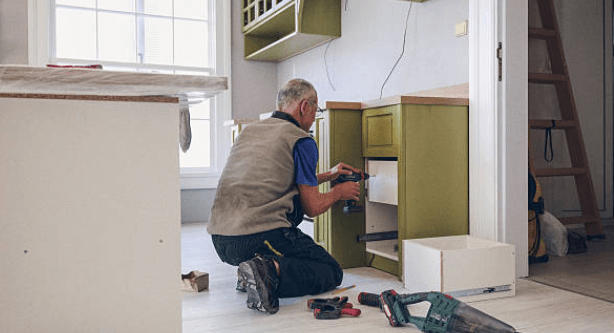
Building a home is one of the biggest investments most people will ever make, and in Brisbane, more homeowners are choosing tailored solutions over pre-designed properties. The demand for flexibility, personalization, and long-term value has made custom homes one of the fastest-growing trends in the construction industry. If you are exploring custom built homes Brisbane, understanding current design trends, expected costs, and future developments in 2026 can help you make smarter planning decisions.
Custom built homes in Brisbane projects are becoming increasingly popular because they allow homeowners to design every aspect of their property, from layout and materials to energy efficiency and architectural style. Instead of adapting to an existing floor plan, homeowners can create a space that reflects their lifestyle, future needs, and personal taste while also maximizing land use and property value in Brisbane’s competitive housing market.
Why Custom Built Homes Are Growing in Popularity
Brisbane’s property market has seen significant changes over the past decade. With rising property prices and limited availability of ideal homes in established suburbs, many buyers are choosing to build rather than buy. Custom homes offer a solution that combines flexibility with long-term investment potential.
Key reasons for this growing trend include:
- Increased demand for energy-efficient homes
- Desire for modern open-plan living spaces
- Need for multi-functional rooms (home offices, gyms, study areas)
- Flexibility in land usage and design
- Better long-term property value compared to standard builds
Homeowners are no longer satisfied with one-size-fits-all housing solutions, especially when lifestyle needs vary so widely.
Design Trends in Custom Homes for 2026
As we move into 2026, custom home design in Brisbane is evolving rapidly. Homeowners are focusing more on sustainability, smart technology, and adaptable living spaces.
1. Sustainable and Eco-Friendly Design
Sustainability is no longer optional—it is a key priority. Modern custom homes are being designed with:
- Solar panel integration
- Rainwater harvesting systems
- Energy-efficient insulation
- Natural ventilation layouts
- Sustainable building materials
These features reduce long-term utility costs and environmental impact.
2. Smart Home Technology Integration
Smart homes are becoming a standard feature in new builds. Homeowners now expect integrated systems that allow them to control lighting, security, and climate from their smartphones.
Popular smart features include:
- Automated lighting systems
- Smart thermostats
- Security cameras and alarms
- Voice-controlled appliances
3. Open-Plan Living with Flexible Spaces
Open-plan layouts continue to dominate modern design trends. However, there is also a growing demand for flexible rooms that can serve multiple purposes, such as:
- Home offices that convert into guest rooms
- Multi-use entertainment spaces
- Modular kitchen and dining layouts
This flexibility is especially important as remote work becomes more common.
4. Indoor-Outdoor Living Integration
Brisbane’s climate makes indoor-outdoor living highly desirable. Custom homes are increasingly designed with:
- Large sliding glass doors
- Covered outdoor entertainment areas
- Seamless flooring transitions
- Outdoor kitchens and lounges
This design approach enhances lifestyle comfort and increases usable space.
5. Minimalist and Natural Aesthetic
Clean lines, natural materials, and neutral tones are trending in modern home design. Timber, stone, and glass are commonly used to create a balance between modern architecture and natural surroundings.
Cost of Building Custom Homes in Brisbane
The cost of custom homes in Brisbane varies significantly depending on design complexity, materials, location, and size. Unlike standard homes, custom builds are tailored to individual requirements, which makes pricing more flexible but also more variable.
Average Cost Range
In 2026, custom home construction costs in Brisbane typically range from:
- Mid-range homes: moderate budget builds with standard finishes
- High-end luxury homes: premium materials and advanced features
- Architectural custom designs: fully bespoke projects with unique layouts
Key Factors Affecting Cost
Several factors influence the final price of a custom home:
- Land size and location
- Architectural design complexity
- Material selection and quality
- Energy efficiency features
- Interior finishes and fixtures
- Structural requirements and site conditions
For example, sloped land or flood-prone areas may require additional engineering work, increasing overall costs.
Hidden Costs to Consider
Homeowners should also be aware of additional expenses such as:
- Council approvals and permits
- Site preparation and excavation
- Utility connections
- Landscaping
- Interior customization upgrades
Proper budgeting is essential to avoid unexpected financial pressure during construction.
What Homeowners Should Expect During the Building Process
Building a custom home is a structured process that typically involves multiple stages. Understanding each phase helps homeowners prepare for timelines and expectations.
Step 1: Planning and Design
This stage includes consultation with architects and builders to develop a concept plan based on lifestyle needs, budget, and land conditions.
Step 2: Approvals and Documentation
Before construction begins, all necessary approvals must be obtained from local authorities. This ensures compliance with building codes and zoning regulations.
Step 3: Site Preparation
The land is cleared, leveled, and prepared for construction. This may include excavation, drainage setup, and foundation work.
Step 4: Construction Phase
This is the longest stage and includes:
- Foundation laying
- Framing and structural work
- Roofing and external walls
- Electrical and plumbing installation
- Interior finishing
Step 5: Final Inspection and Handover
Once construction is complete, final inspections are conducted to ensure the home meets safety and quality standards before handover.
Challenges in Custom Home Building
While custom homes offer many benefits, they also come with challenges that homeowners should be prepared for.
Common challenges include:
- Budget overruns due to design changes
- Construction delays caused by weather or approvals
- Decision fatigue due to multiple design choices
- Coordination between multiple contractors
Working with experienced professionals can help reduce these risks significantly.
Benefits of Choosing a Custom Built Home
Despite the challenges, custom homes offer several long-term advantages:
- Complete design freedom
- Higher property value potential
- Better energy efficiency
- Improved lifestyle functionality
- Long-term cost savings on maintenance and utilities
Custom homes are built to match the homeowner’s exact needs, making them a more satisfying long-term investment.
Why Professional Builders Matter
Choosing the right builder is one of the most important decisions in the construction process. Experienced builders ensure:
- Proper design execution
- Compliance with regulations
- Quality construction standards
- Efficient project management
- Transparent communication throughout the build
For homeowners considering a custom build in Brisbane, Alps Constructions provides professional building services tailored to modern design trends and structural requirements.
See also: How Virtual Phone Systems Help Businesses Expand Globally
Final Thoughts
Custom homes are shaping the future of residential construction in Brisbane. As homeowners continue to prioritize flexibility, sustainability, and modern living features, custom-built properties are becoming the preferred choice over traditional housing options.
Understanding design trends, cost factors, and construction processes helps homeowners make informed decisions and plan effectively for 2026 and beyond. With the right planning and professional support, a custom home can deliver long-term value, comfort, and a lifestyle tailored exactly to individual needs.