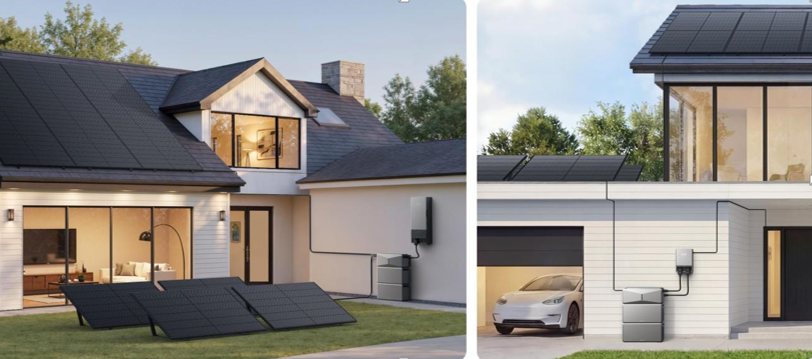
Home battery backups are more than just emergency power supplies; they offer a strategic way to cut electricity expenses. By storing energy during times when electricity rates are low and using it when they’re high, homeowners can effectively manage peak pricing. This approach not only supports sustainable energy use but also maximizes savings on utility bills. Understanding how these systems work, particularly when integrated with solar power, allows homeowners to utilize smart charging and strategic discharging. This guide will delve into how home battery systems can be tailored to optimize energy consumption and cost, offering a modern solution to traditional energy use challenges.
How Home Battery Backups Work With Energy Pricing?
The home battery backup operates based on dynamic electricity pricing models. In TOU (Time of Use) Mode, these systems store energy when the cost is low and supply it when prices spike, ensuring savings while maintaining comfort.
Charging During Off-Peak Hours
Battery backups take advantage of off-peak hours by charging when electricity prices drop. During these times, utilities often lower rates to encourage usage, typically late at night or early morning. By storing energy cheaply, homeowners are equipped to use it during peak demand without incurring high costs. This strategy involves setting the battery system to automatically charge during designated low-rate periods. It provides financial benefits and relieves the grid during times of lesser stress, contributing to a more stable and efficient energy network for everyone involved.
Discharging During Peak Hours
As energy demand surges during peak hours, electricity rates climb. This is where stored energy becomes valuable. Home battery systems can discharge stored energy during these periods, effectively bypassing high utility costs. Through careful planning and settings on the battery system, homeowners can ensure their homes draw from the battery instead of the grid during expensive peak times. This practice, known as load shifting, not only reduces energy bills but also supports local grid efficiency during critical demand hours. In essence, the battery backup acts as a buffer against fluctuating energy costs.
Integrated Systems: Solar + Battery Strategies
Combining solar power with battery storage enhances energy independence. Systems store the excess solar output, supplying power when panels are inactive, curbing reliance on expensive grid energy.
Storing Solar Energy for Nighttime Use
Solar panels generate energy during daylight, often exceeding a home’s immediate needs. In Self Consumption Mode, this excess energy is stored in batteries. At night or during cloudy days, the stored power can be utilized, ensuring a seamless energy supply without pulling from the grid. This method not only maximizes the utility of solar panels but also minimizes electricity bills, as the stored solar energy replaces grid consumption. Homeowners benefit from a consistent power supply, strategically reducing reliance on the grid and thus saving money while promoting environmental sustainability.
See also: flow: What Is a Workflow in Business Process Management
Load Shifting and Smart Energy Use
Smart energy use through load shifting involves utilizing stored energy strategically. By aligning battery discharge with periods of high electricity rates, homeowners can drastically cut costs. Smart systems can be programmed to understand usage patterns, deploying energy where it’s most needed. For example, high-energy appliances like dishwashers or washing machines can operate during off-peak times using stored power. Integrating home automation systems with battery backups allows for intelligent load management, effectively distributing and timing energy use for maximum efficiency and savings.

Factors That Affect Savings
Several factors influence the extent of savings from battery backups. The local utility’s rate structure plays a crucial role; those with high price differentiation between peak and off-peak times see the most benefit. The size and efficiency of the battery system and household energy needs also determine savings; larger systems cater to higher demands, yielding better results. Weather patterns impact solar energy production, affecting the amount of stored power for non-sunny days. Finally, the initial investment cost and any available tax incentives or rebates are essential to consider, as they speed up the system’s payback period, enhancing overall savings.
Practical Tips to Maximize Savings
Homeowners can maximize their savings by selecting the right utility rate plans and optimizing energy use through smart scheduling tools and controls.
Understand Your Utility Rate Plan
To maximize savings, homeowners must thoroughly understand their utility rate plan. Each utility company offers various plans with different peak and off-peak rates. Identify a plan with significant cost differences between these times to make the most of your battery backup. Evaluate if flat-rate, tiered, or TOU plans best suit your consumption habits. Comparing these options and considering the adaptability of solar and battery systems to each can inform the best financial decision. Being well-informed about peak pricing and applicable charges ensures that you are not caught off guard by unexpected costs.
Use Smart Home Controls and Scheduling
Integrating smart home controls with battery backups enhances energy efficiency. Smart thermostats, for instance, can adapt to usage patterns, lowering consumption during peak times. They can be programmed to utilize stored battery power instead of drawing from the grid. Scheduling appliances like dishwashers or EV chargers to operate at night during off-peak rates takes full advantage of the energy-cost structure. These smart systems can provide real-time insights into energy use, allowing for adjustments that maximize savings without sacrificing comfort or convenience. Smart technology ensures consistent energy optimization.
Conclusion
Battery backups present a strategic approach to cutting energy costs by leveraging peak and off-peak pricing. These systems offer practical solutions when integrated with solar power, reducing reliance on costly grid electricity. Smart charging and discharging can lead to substantial savings, particularly in areas with significant rate variation. Understanding the intricacies of utility rate plans and employing smart home technologies further enhances these benefits. While the initial investment is considerable, the long-term savings and environmental benefits make battery backups a wise choice for the future of home energy management. Homeowners can enjoy both financial savings and peace of mind.