Autonomous vehicle technology represents a significant advancement in transportation. It employs artificial intelligence and sophisticated sensors to navigate and interact with the environment. By analyzing data from cameras and LIDAR, these vehicles can identify obstacles and make informed decisions. Understanding how these systems function is crucial for grasping their potential impact on safety and mobility. However, the complexities involved raise important questions about reliability and public acceptance. What lies ahead in this transformative journey?
Overview of Autonomous Vehicles: What You Need to Know
Autonomous vehicles (AVs) represent a significant advancement in transportation technology, characterized by their ability to navigate and operate without human intervention.
These innovations necessitate comprehensive safety regulations to ensure operational integrity and public trust.
As AVs evolve, public acceptance becomes crucial, as societal readiness directly influences the integration of this technology into everyday life, ultimately shaping the future of mobility.
How AI Makes Self-Driving Cars Smarter
As technology advances, the integration of artificial intelligence (AI) into self-driving cars plays a pivotal role in enhancing their operational capabilities.
Machine learning algorithms enable vehicles to analyze vast amounts of data, while deep learning techniques improve decision-making processes.
This synergy allows autonomous vehicles to adapt to dynamic environments, ensuring safer and more efficient navigation, ultimately offering drivers greater freedom and confidence on the road.
Understanding Environmental Perception in Autonomous Vehicles
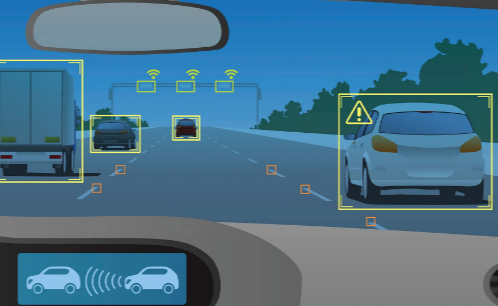
A comprehensive understanding of environmental perception is crucial for the effective operation of self-driving vehicles. This involves sensor fusion, where data from various sensors—such as cameras, LIDAR, and radar—integrate to create a coherent representation of the vehicle’s surroundings.
Accurate obstacle detection enhances safety by enabling the vehicle to identify and respond to potential hazards, ensuring a reliable driving experience.
Read Also: Augmented Reality vs Virtual Reality Technology
Essential Technologies Enabling Autonomous Vehicle Navigation
Navigating complex environments requires a suite of essential technologies that enable autonomous vehicles to interpret and interact with their surroundings effectively.
Sensor fusion integrates data from various inputs, enhancing situational awareness and decision-making.
Coupled with advanced mapping technologies, these systems create accurate representations of the environment, allowing vehicles to navigate safely and autonomously, ultimately providing users with a profound sense of freedom and mobility.
Conclusion
In summary, autonomous vehicle technology stands at the forefront of a transportation revolution, akin to a ship navigating uncharted waters. Just as skilled navigators once relied on stars to guide them, self-driving cars now depend on sophisticated algorithms and sensor data to traverse complex environments. As this technology evolves, it promises not only enhanced safety and efficiency but also redefines the very essence of mobility, fostering a future where human intervention becomes a relic of the past.