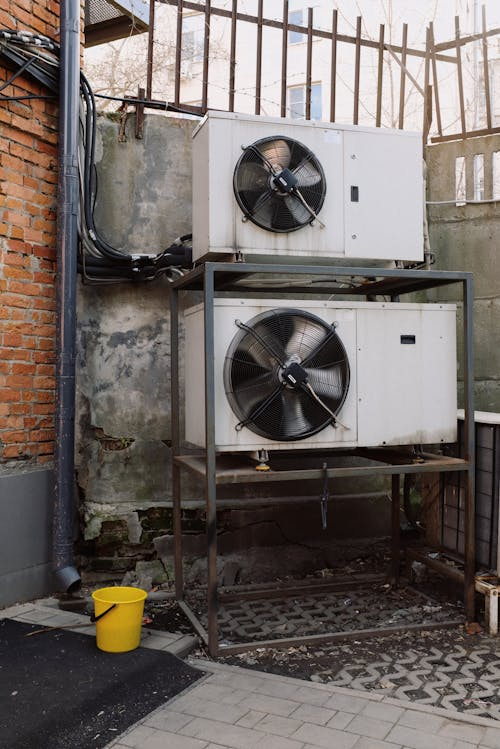
Air conditioning compliance in London is not optional. If you own or manage a commercial property with air conditioning systems over a certain size, you need to follow specific regulations. The rules apply across the UK, but London properties face particular scrutiny given the density of commercial buildings and the frequency of inspections.
This guide explains what compliance means, who it affects, and how to avoid the penalties that come with getting it wrong.
What Air Conditioning Compliance Means
Air conditioning compliance in London refers to TM44 inspections. These are mandatory assessments of cooling systems in commercial buildings. The inspection checks whether your system runs efficiently and meets current energy standards.
TM44 stands for Technical Memorandum 44. The inspection produces a certificate that must be lodged with the Landmark Register, which is the government database for energy assessments.
The requirement applies to systems with a combined cooling output above 12 kilowatts. Most office buildings, retail spaces, hotels, and larger commercial properties fall into this category. If your building has multiple air conditioning units, the outputs add up. You might be surprised to find you need an inspection even if individual units seem small.
Who Needs a TM44 Certificate
Commercial property owners and landlords are responsible for getting TM44 inspections done. Facility managers often handle the scheduling, but the legal obligation sits with whoever owns the building.
You need an inspection every five years. The certificate expires after this period, and you must book a new assessment before it runs out. Missing the deadline means you operate without valid compliance, which opens you up to fines.
Some property owners discover they need a TM44 during a sale or lease negotiation. Buyers and tenants often request proof of compliance as part of due diligence. Without a current certificate, transactions can stall. This creates pressure to arrange emergency inspections, which cost more and still take time to organise.
London properties change hands frequently. The compliance certificate should be one of the first documents you check when taking on a new building. Assuming the previous owner kept everything current is risky. Certificates expire, and enforcement has increased in recent years.
Why These Regulations Exist
The government introduced TM44 inspections to reduce energy waste and carbon emissions from commercial buildings. Air conditioning systems consume significant power, and inefficient units drive up both costs and environmental impact.
The inspections identify maintenance issues, outdated equipment, and operational problems that make systems work harder than necessary. Fixing these issues reduces energy bills and extends the lifespan of the equipment.
Property owners sometimes view compliance as bureaucracy. The reality is that the inspection often uncovers savings opportunities. Systems running inefficiently can cost hundreds or thousands of pounds extra each year. The assessment report highlights where improvements make financial sense.
Energy performance matters more now than it did a decade ago. ESG reporting requirements push companies to demonstrate they manage their buildings responsibly. A valid TM44 certificate shows you take energy compliance seriously, which matters to stakeholders and tenants.
See also: Why Businesses Still Trust .NET: A Deep Dive into Framework Loyalty
The Cost of Non-Compliance
Failing to get a TM44 inspection carries a fixed penalty. As of 2025, that penalty increased to £800 per building. You receive a notice giving you a deadline to arrange the inspection and provide proof of compliance. If you ignore the notice, further action can follow.
£800 might not sound catastrophic compared to other business costs. The problem comes when you manage multiple sites. Each building needs its own certificate. If you have five properties out of compliance, that is £4,000 in fines before you even address the underlying issue.
Enforcement happens through local authorities and building control departments. Inspections can be random or triggered by complaints. Some property owners assume they will fly under the radar. The risk is not worth taking, especially when the cost of a TM44 inspection is far less than the penalty.
Beyond fines, non-compliance creates problems during property transactions. Buyers walk away from deals when compliance documentation is missing. Lenders may refuse to finance purchases without current certificates. The administrative hassle and lost opportunities cost more than the inspection itself.
Staying on Top of Compliance
Air conditioning compliance in London is straightforward once you understand the requirements. Book a TM44 inspection every five years. Keep the certificate on file. Make sure it is lodged with the Landmark Register.
The £800 penalty for non-compliance makes staying current the obvious choice. The inspection also provides useful information about your system performance and potential cost savings.
If you manage several commercial properties, create a compliance calendar. Note when each building needs its next assessment. This prevents oversights and keeps you ahead of enforcement activity.
Property transactions move faster when compliance is already in place. Whether you plan to sell, lease, or refinance, having a current TM44 certificate ready saves time and avoids complications.
Check your current status if you have not thought about air conditioning compliance recently. Five years pass quickly, and expired certificates leave you exposed to penalties and operational issues.