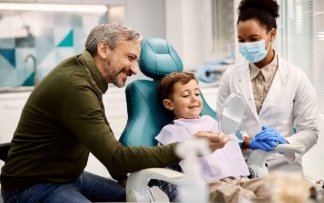
You might be feeling that you are always a step behind with your family’s health. Someone has a cavity, someone else is scared of the dentist, and you are juggling school, work, and a budget that already feels stretched. Finding an emergency dentist in Crest Hill, IL can feel overwhelming when oral health already seems like one more spinning plate that might crash at any time.
At the same time, you probably sense that your family dentist could be more than a place you rush to when there is pain. You may wonder if there is a calmer way to handle teeth and gum problems, one where you are not always reacting, but actually preventing trouble before it starts.
That is where preventive dentistry for families changes the story. Instead of waiting for emergencies, you use regular checkups, cleanings, and simple home habits to protect your family’s teeth, gums, and even their overall health. In short, preventive care can mean fewer surprises, fewer big bills, and more peace of mind.
So, where does that leave you right now? This guide walks you through why preventive dental care matters so much for family wellness, what can go wrong if it is ignored, what it realistically costs you in time and money, and how to start making small changes that add up to a much healthier future.
Why does preventive dentistry matter so much for your family’s wellness?
Think about how dental problems usually show up at home. A child wakes up at night with a toothache. A teen hides their smile because of stained or crooked teeth. A parent ignores bleeding gums because there is no time to deal with them. Nothing feels urgent, until suddenly it is.
That pattern is common. According to public health research, tooth decay is one of the most widespread chronic conditions in both children and adults, yet it is largely preventable with early care and good daily habits. Reviews such as the Oral Health in America report highlight how oral health and overall health are closely linked. Gum disease and untreated decay are associated with problems like diabetes complications, heart disease, and poor school performance in children.
Because of this, ignoring preventive care is not just about teeth. It can ripple into missed school days, missed work, lower confidence, and higher medical costs later on. It can also create a quiet kind of stress for parents who feel guilty or overwhelmed, yet do not know where to start.
So what does effective family preventive dental care actually include. It usually means regular checkups and cleanings, fluoride treatments and sealants for children, early screening for gum disease, mouth guards for sports, and support with daily routines like brushing and flossing. A good family dentist also watches how your child’s mouth is growing, spots problems early, and helps you decide if and when orthodontic care might be needed.
What happens when preventive care is delayed or skipped?
You might be thinking, “We are busy. We brush. We will go in when something hurts.” That is completely understandable. Schedules are tight, and fear of dental work is real, especially if you had bad experiences growing up.
The trouble is that by the time something hurts, the problem is usually bigger. For example, a small cavity caught early during a routine visit might be a quick, simple filling. If it is missed for a year or two, it can grow into a deep infection that needs a root canal or even an extraction. Research summarized in sources like Caries Management in Children and Adults shows that early detection and fluoride use sharply reduce the risk of advanced tooth decay.
Beyond the medical side, there is an emotional cost. A child who only sees the dentist when they are in pain can start to associate dental care with fear and panic. That fear can follow them into adulthood, making them more likely to avoid care and repeat the same cycle with their own children.
Financially, waiting often costs more. A routine preventive visit usually includes an exam, cleaning, and sometimes X-rays. The cost of that is typically far lower than emergency visits, extractions, crowns, or orthodontic problems that might have been minimized with earlier care. Studies on dental health economics, such as those reviewed in reports on oral health disparities and costs, show that preventive care is usually far less expensive than treatment for advanced disease.
So, where does that leave you if you are already behind on appointments or someone in the family already has issues? It does not mean you failed. It simply means that now is a good time to reset and use preventive dentistry to steady the ground under your family’s feet.
Preventive dentistry vs “wait until it hurts”: what is really at stake?
To make this more concrete, it can help to compare two common approaches that many families juggle in real life.
| Approach | Short-term impact | Long-term impact | Emotional effect on family |
|---|---|---|---|
| Regular preventive visits with a family dentist | Small, predictable time and cost. Occasional minor treatments like sealants or small fillings. | Lower risk of major decay and gum disease. Fewer emergencies. Better overall health and school/work attendance. | Children build trust with the dentist. Less fear. Parents feel more in control and less guilty or anxious. |
| Waiting until there is pain or visible damage | No visits or costs at first. Then sudden, urgent visits that are more stressful and often more expensive. | Higher chance of extractions, root canals, and advanced gum disease. Possible impact on speech, nutrition, and self-esteem. | Visits are linked to pain and fear. Parents feel pressured and worried. Children may avoid care as adults. |
Public resources like MedlinePlus dental health guides emphasize the value of routine care, fluoride, sealants, and healthy habits. These are simple steps, yet over time they often mean the difference between a few small fillings and a mouth full of complicated work.
How can you start using preventive dentistry to protect your family?
You might be wondering how to take real action when your schedule is packed, and your budget is not unlimited. The good news is that you do not need to overhaul your life. You just need a few consistent steps that your family dentist can support and guide.
1. Set a predictable rhythm with your family dentist
Begin by picking a regular schedule for checkups, usually every six months, and treating those visits like you would an important school event or work meeting. If you have missed a year or more, call for a “reset visit” and be honest about what has been going on. A caring dentist will not shame you. They will focus on where you are now and what comes next.
For children, try to book visits at calm times of day, such as mornings when they are less tired. Bring a comfort item for younger kids. For teens, involve them in scheduling so they feel a sense of control and responsibility over their own health.
2. Build simple home habits that actually stick
Daily brushing and flossing can feel like a battle, especially at bedtime. Aim for progress, not perfection. Use small, specific goals. For example, “Two minutes of brushing, twice a day, every day this week.” Consider brushing alongside your child so it feels like a shared routine instead of a chore they must do alone.
Your family dentist can show you and your children how to brush and floss effectively, and may suggest fluoride toothpaste or mouth rinses, especially if someone in the family is prone to cavities. Evidence-based guidance from sources such as clinical caries management resources supports fluoride and sealants as safe and effective tools.
3. Use preventive visits to talk about the “big picture” of health
During checkups, ask how your family’s oral health connects to overall wellness. For example, if a child has frequent cavities, it may be time to look at snacks, drinks, and bedtime routines. If an adult has gum disease, it might be linked to conditions like diabetes or smoking. Many families are surprised to learn how much the mouth can reveal about general health.
Use your dentist as a partner. Ask, “What is the one thing we could focus on this year that would help the most?” That kind of focused question encourages a clear, realistic plan instead of a long list of changes that feel impossible.
See also: How Family Dentistry Encourages A Culture Of Oral Health At Home
Bringing it all together for your family’s future
When you think about the role of preventive dentistry in supporting family wellness, it is really about more than clean teeth. It is about fewer sleepless nights with a child in pain. It is about fewer days lost to emergency appointments and more energy for the parts of life that matter most to you. It is about giving your children a calmer, healthier relationship with dental care, so they carry those habits into adulthood.
If you feel behind, you are not alone, and you are not stuck. One call to a trusted family dentist, one scheduled checkup, one small change in your nightly routine can move you from reacting to problems to quietly preventing them. Over time, those small steps add up to a stronger, more confident family, smiling without hesitation.