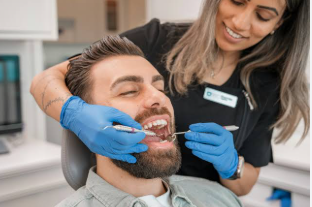
You might be feeling that you are doing your best with your child’s teeth, yet every dental visit to a Santa Rosa dentist brings another cavity, another warning, another bill. Or maybe you grew up without much focus on dental care, so now you are trying to “figure it out” as you go, while juggling school runs, work, and a hundred other daily demands.end
Because of that pressure, it is easy to treat the dentist as a once or twice a year event instead of a partner in your family’s daily routines. You are not alone in that. Many parents feel guilty, confused, or even judged when it comes to oral health at home.
The good news is that a strong relationship with a family dentist can turn all of this into something much calmer and more predictable. Instead of reacting to problems, you can build a culture of oral health in your home. That means simple habits, fewer surprises, and children who grow up seeing dental care as normal rather than scary.
This is really what family dentistry for lifelong oral health is about. It is less about perfect brushing technique and more about creating a home environment where teeth are protected every single day.
Why does oral health at home feel so hard right now?
Think about a typical weekday. Mornings are rushed. Evenings are tired. Somewhere in between you are supposed to supervise brushing twice a day, flossing, healthy snacks, sports mouthguards, and regular checkups. It is no wonder that some nights end with “Just brush quickly, we’re late for bed.”
On top of that, there is conflicting information. One website says fluoride is essential. Another scares you about it. Some people swear by natural toothpaste. Others insist on specific brands. You may read that baby teeth “do not matter as much,” then hear from a dentist that they matter a lot. That kind of noise can leave you frozen, doing the bare minimum because you are not sure what really counts.
Then there is the emotional side. If your child already has cavities, it can feel like you failed, even when you are trying. If you are anxious at the dentist yourself, you may worry that you are passing that fear to your children. It becomes more than brushing. It becomes a cycle of stress.
So, where does that leave you? Usually in a reactive pattern. You go to the dentist when there is pain. You adjust habits for a week after a tough appointment, then old routines slowly return. Nothing truly sticks at home.
How can a family dentist change what happens in your home?
A good family dentistry practice does more than clean teeth. It acts as a coach for your entire household, from toddlers to grandparents, and helps you create simple, realistic routines that fit your life instead of fighting it.
Here is how that can look in real life.
Imagine a 5 year old who cries every time you bring out the toothbrush. You feel worn out, so you start skipping flossing “just for now.” At the next visit, the dentist finds two early cavities. You feel defeated.
Now picture the same family working closely with a family dentist. The dentist shows you a short, playful brushing routine, recommends a flavored fluoride toothpaste that your child actually likes, and suggests a reward chart for the first month. They also explain, in simple language, why baby teeth matter for speech, chewing, and alignment. Suddenly, brushing becomes a game instead of a battle. Over time, those small wins turn into a habit your child owns, not something you have to force.
For older children and teens, the pattern is similar. A family dentist can talk directly to them about sports drinks, energy drinks, and late night snacking in a way they will actually hear. They can explain how braces, aligners, and retainers affect cleaning. They can show real images of plaque and early decay, which often makes more impact than any lecture at home.
For adults, especially those who have avoided dental care, family dentistry can gently reset the story. Instead of shaming you for missed years, the focus is on what can be done now. That might include a plan to address gum disease, rebuild worn teeth, or simply keep what you have as healthy as possible with realistic home care.
If you want a sense of what healthy daily care should look like, the Centers for Disease Control and Prevention oral health guidelines offer a clear foundation that a family dentist can help you tailor to your specific situation.
What makes home care so different when a family dentist is involved?
One of the biggest differences is that you stop guessing. Instead of trying random toothbrushes and trendy mouthwashes, you get clear, personalized advice. You learn how often your family truly needs X rays. You understand which snacks are reasonable and which are quietly causing damage.
You also gain structure. Regular checkups become checkpoints, not just problem visits. Your dentist can spot small issues early and adjust your home routine before pain or expensive treatment is needed. This kind of partnership is especially important for children, since early habits shape their lifelong oral health.
Resources like the CDC’s oral health tips for children and the National Institute of Dental and Craniofacial Research guidance for children can support what your family dentist shares, giving you trustworthy places to check when questions come up between visits.
Comparing “figure it out alone” vs working with family dentistry
It can help to see the difference between trying to manage everything on your own and building a long term relationship with a family dentist who focuses on home routines.
| Approach | What Usually Happens At Home | Typical Outcome Over Time |
|---|---|---|
| DIY oral care without consistent guidance | Brushing and flossing are irregular. Products are chosen by price or advertising. Dental visits are postponed until there is pain or visible damage. | More cavities and gum problems. Higher emergency costs. Children may grow up anxious about dentists and see care as something to fear. |
| Ongoing partnership with a family dentist | Clear morning and evening routines. Products and fluoride use are tailored to each family member. Regular checkups are scheduled before problems appear. | Fewer surprises and less pain. Lower long term costs. Children see oral care as normal and are more likely to continue good habits as adults. |
| Short term “fix it” mindset | Focus is on repairing cavities or broken teeth, not changing habits. Home care improves briefly, then fades. | Cycle of repeat problems. Frustration and guilt for parents. Teeth slowly weaken over the years. |
| Cultivating a culture of oral health at home | Family talks openly about sugar, snacks, and habits. Brushing together is common. Children are involved in choosing brushes and setting reminders. | Stronger, healthier smiles. Better overall health. Dental visits feel routine instead of stressful events. |
The American Dental Association’s MouthHealthy recommendations align closely with this second approach. When paired with a supportive family dentist, they become practical daily steps instead of just another list of rules.
Three concrete steps to start building a home culture of oral health
1. Create one simple, non negotiable brushing ritual
Do not try to fix everything at once. Start with this: everyone in the household brushes for two minutes, twice a day, every day. For young children, make it a shared activity. Brush your teeth at the same time. Play a two minute song. Use a small mirror stool so they can see themselves. Consistency matters more than perfection at the beginning.
2. Use your family dentist as a coach, not just a fixer
At your next visit, bring questions about your real life, not just your teeth. Ask about snacks your children actually eat. Ask how to manage brushing with braces, late sports practices, or sensory challenges. Ask which products are worth the money and which are not. Treat the visit as a planning session for your home routines.
3. Make oral health a shared family value, not a chore
Talk about teeth in the same way you talk about sleep or seatbelts. Calmly and routinely. Praise effort, not just “good checkups.” Let children choose their toothbrush color or flavor of toothpaste within the options your dentist recommends. For teens, connect oral health to what matters to them, such as fresh breath, confidence, or sports performance.
See also: Lawn Care in Mississauga: Expert Seasonal Tips for a Healthy Yard
Bringing it all together so your home feels more at ease
You do not need to become a dental expert to protect your family’s smiles. You need a clear, steady routine at home and a trusted partner who understands how your life really works. That is what family dental care for all ages is designed to provide.
If you feel behind, remember that teeth respond to what you do today. Small changes now can prevent much bigger problems later. With a supportive family dentist, reliable information, and a few simple habits, your home can shift from stressed and reactive to calm and confident about oral health.
Your next step can be as small as setting a regular brushing time tonight or scheduling a preventive visit and coming prepared with questions. Over time, those small choices add up to something powerful. A home where caring for teeth is just part of caring for each other.