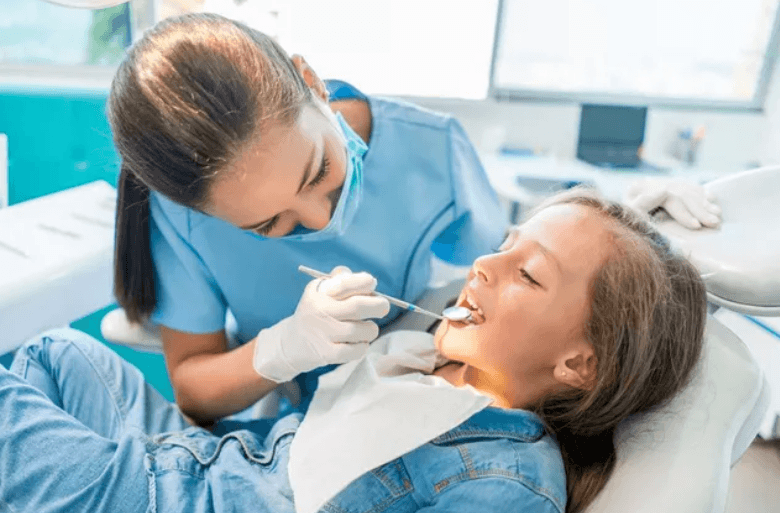
You might be feeling pulled in two directions about your family’s dental care. On one hand, you want healthy teeth, fewer cavities, and fewer emergency visits. On the other, you care how your smile looks in photos, at work, and at school events. Because of this tension, you might wonder if you really have to choose between a dentist who focuses on health and one who focuses on appearance, or if you can find a dentist in Roseville, MI who offers both.
Many families quietly carry this same worry. They juggle appointments at different offices, explain the same history over and over, and still feel unsure if they are doing “enough” for their family’s smiles. It is tiring, and it can feel like you are always reacting to problems instead of feeling ahead of them.
The good news is that more families are turning to practices that offer both general and cosmetic dentistry in one place. These offices protect oral health and enhance smiles at the same time. In simple terms, they help you keep teeth strong and make them look good too. That is why so many people are choosing a general and cosmetic dentist for their long term care.
So where does that leave you? It means you can look for care that respects your time, your budget, and your wish for confidence when you smile. The four reasons below explain why this blended approach often makes life easier for families like yours.
Why does combining cosmetic and general dentistry reduce stress for families?
The first problem many people face is fragmentation. One office cleans your teeth and fills cavities. Another office does whitening or veneers. A specialist might handle more advanced work. Every time you switch, there are new forms, new payment systems, and new personalities. You repeat your medical history and hope nothing gets missed.
This creates stress on several levels. Emotionally, each visit can feel like starting from scratch. Financially, coordination between offices can be confusing, especially if insurance covers health-focused treatments differently than cosmetic ones. You may also worry that one dentist will criticize what another has done. That can feel uncomfortable and even a little embarrassing.
Now imagine something more streamlined. Your child chips a front tooth on the playground. At a general-only office, the main concern might be whether the tooth is stable and pain free. At a cosmetic-only office, the focus might be on how it looks. At a blended practice that offers family cosmetic and general dentistry, the same team can address the health of the tooth, the bite, and the appearance, all with your child’s long term growth in mind.
Because everything happens under one roof, the dentist has a complete view. They know your history with cavities, your habits at home, and your comfort level with different treatments. They can suggest options that keep teeth healthy, look natural, and respect your budget. You do not have to act as the “go between” anymore.
How does a blended practice support both health and confidence?
Another common concern is the fear of choosing looks over health. You might worry that whitening or straightening is just “cosmetic” and not worth the cost, especially if you are already paying for cleanings, fillings, or gum care. At the same time, you know that when you or your teen feel self conscious about your smile, it affects everything from social events to job interviews.
This is where a practice that blends cosmetic and general care can shift the conversation. Instead of treating health and appearance as two separate goals, the dentist can explain how they connect. For example, straighter teeth are often easier to clean. Replacing missing teeth can improve chewing, speech, and facial support as well as appearance. Even something as simple as polishing away certain surface stains can make you more motivated to keep up with brushing and flossing.
The Centers for Disease Control and Prevention shares that good oral health protects more than your mouth. It affects your overall health and quality of life. You can read more about that connection from the CDC’s overview of oral health and well-being. When you pair that with the confidence that comes from liking your smile, you start to see why families prefer a practice that treats both at once.
So instead of asking “Is this treatment cosmetic or medical?” you can ask a better question. “How will this treatment support my health and my confidence over the next five to ten years?” A general and cosmetic dentist is in a good position to answer that in a balanced way.
What practical benefits do families notice day to day?
On a practical level, combining services in one office often leads to less time off work, fewer school absences, and more predictable costs. You can group cleanings, checkups, and cosmetic touch ups into fewer visits. Treatment plans are built with a full picture of your mouth, so you are less likely to feel surprised by new problems that could have been anticipated.
There is also a comfort factor. When your family sees the same team for both routine checkups and appearance-focused care, trust grows. Children who come in twice a year for cleanings feel more at ease if they ever need a filling or a chipped tooth repaired. Adults who start with whitening may feel more ready to address gum health or old fillings once they feel heard and respected.
Research-backed prevention is still at the core. The CDC explains the value of regular checkups, fluoride, and early care in its main oral health resources. A blended practice can build on that strong base, then layer cosmetic options where they make sense, instead of treating them as add-ons that are separate from your usual care.
To help you weigh your options, here is a simple comparison of separate offices versus a combined general and cosmetic practice.
| Question | Separate General & Cosmetic Offices | Blended General And Cosmetic Dentist |
|---|---|---|
| How many offices do you visit? | Usually two or more | One office for most needs |
| Do providers see your full history? | Often partial, records may be scattered | Central record that covers health and cosmetic work |
| Time away from work or school | More visits, more separate trips | Fewer visits, often grouped appointments |
| Planning long term care | Short term fixes, harder to coordinate appearance and function | Integrated plan for health, function, and appearance |
| Comfort and trust | Relationships split between offices | One team that knows your family well |
How do prevention, fluoride, and “cosmetic” choices work together?
A fourth reason families choose blended practices is the way prevention and appearance can support each other. Fluoride, for example, is about strengthening enamel and preventing decay. That is not cosmetic. It is central to long term health. The National Institute of Dental and Craniofacial Research explains how fluoride protects teeth and why it matters at every age. You can learn more in their guide to fluoride and tooth protection.
Yet prevention and appearance are not opposites. When teeth are stronger and less prone to decay, cosmetic treatments often last longer. A whitening result holds better on clean, healthy enamel. A bonding repair looks better when the surrounding gum is healthy and not inflamed. Aligning teeth for cosmetic reasons can also reduce areas where plaque hides, which supports prevention.
In a practice that separates general and cosmetic care, these connections may be easy to overlook. In a combined practice, your dentist can time treatments in a way that protects your investment. For example, they might suggest finishing gum treatment before starting cosmetic bonding, or using fluoride and sealants on a teen before or during orthodontic care.
So instead of thinking of cosmetic work as “extra,” you can see it as part of a thoughtful long term plan that starts with prevention and builds toward a smile you feel proud to show.
See also: Lawn Care in Mississauga: Expert Seasonal Tips for a Healthy Yard
What can you do now to choose the right blended dental practice?
If you are wondering how to move from feeling scattered to feeling supported, there are a few concrete steps you can take right away.
1. List your family’s health needs and confidence goals
Take a quiet moment and write down what you want from a general dentist and what you want from cosmetic care. For example, fewer cavities, better breath, or help with grinding at night on one side. A whiter smile, fixing a chipped tooth, or closing a small gap on the other. Bringing both lists to a consultation will help you see which practices are ready to address both sets of needs.
2. Ask specific questions during consultations
When you speak with a potential office, ask how they combine preventive, restorative, and cosmetic work. You might ask, “How do you handle a chipped front tooth for a teen?” or “If I want whitening and also need gum care, how would you plan that?” Clear, thoughtful answers will tell you a lot about whether they truly blend cosmetic and general dentistry or simply offer cosmetic services on the side.
3. Look for education, not pressure
A strong blended practice will focus on teaching you your options. They will explain pros and cons, expected lifespan of treatments, and how each choice affects your mouth over time. You should feel guided, not pushed. If you walk out feeling clearer and calmer, that is a good sign. If you feel rushed or overwhelmed, you may want to keep looking.
Moving toward a healthier, more confident family smile
Choosing a practice that blends cosmetic and general dentistry is not about chasing perfection. It is about making life simpler, protecting your family’s health, and giving everyone a chance to feel good when they smile. You do not have to choose between “healthy” and “attractive.” With the right team, you can support both, in a way that fits your real life.
You have more control than it might feel right now. By asking better questions and looking for a practice that sees the whole picture, you can move from scattered care to a calm, coordinated plan that grows with your family.