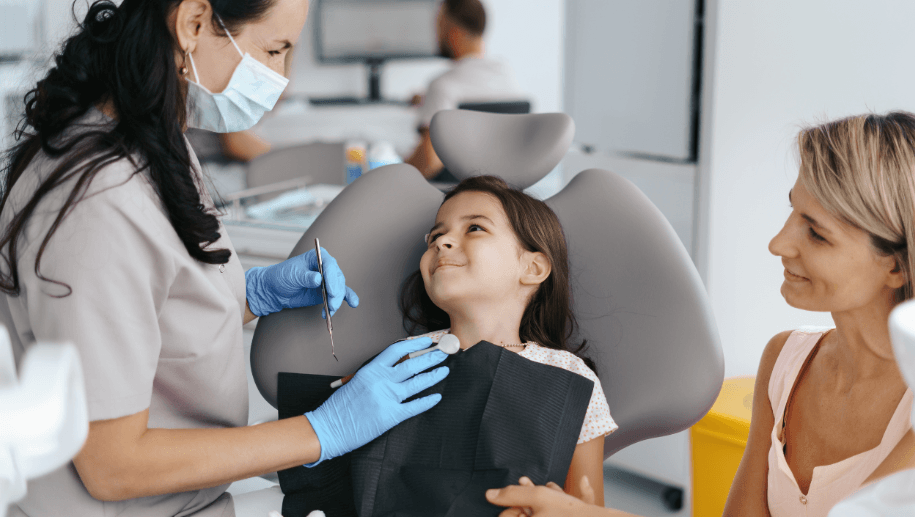
Early dental visits give your child a real head start before braces ever go on. When you begin checkups early, the dentist can track how your child’s teeth, jaws, and bite grow over time. That early record helps catch crowding, crossbites, and growth problems before they turn into painful crises. It also means shorter, simpler orthodontic treatment later. Early visits teach your child that the dental chair is a safe place. That trust cuts fear and helps your child follow instructions when braces or other treatment begin. For families seeking pediatric dental care in Mt. Kisco, early visits also help you plan. You understand likely costs, treatment choices, and timing long before you must decide. You stay in control. You protect your child from avoidable tooth removal, speech problems, and chewing trouble. Early action lowers stress for you and your child.
Why age 1 and early childhood matter
The American Academy of Pediatric Dentistry advises a first visit by age 1 or within 6 months of the first tooth. You can read that guidance on the AAPD parent FAQ page. That first visit is short. It still carries real weight for future braces.
In those early years, the dentist watches three key things.
- How baby teeth come in and line up
- How the upper and lower jaws meet
- How habits like thumb sucking shape the bite
Early notes on these patterns help the dentist see trouble forming. Then you can act before growth locks problems in place.
Problems early visits can catch
Many orthodontic problems start small. Early visits help find them while change is still easy. Common issues include:
- Crowding. Teeth fight for space and twist or overlap.
- Crossbite. Upper teeth bite inside lower teeth.
- Open bite. Front teeth do not touch when your child bites.
- Underbite. Lower teeth sit in front of upper teeth.
- Deep bite. Upper front teeth cover lower front teeth too much.
Each problem affects more than looks. These issues can strain jaw joints, chip teeth, and make chewing hard. They also can affect clear speech. Early visits help you stop that chain reaction.
How early visits support later braces
Regular checkups from toddler years through grade school set up three supports for future orthodontic care.
- Better timing. The dentist and orthodontist can pick the best growth window for braces or other treatment.
- Shorter treatment. Guided growth can cut the time your child spends in braces.
- Less complex care. Early steps can prevent surgery or tooth removal later.
The National Institute of Dental and Craniofacial Research explains how growth affects bite and jaw problems on its page on children’s oral health. When the dental team understands your child’s growth pattern, they can use that growth instead of fighting it.
Stage by stage benefits
Here is how early dental visits link to orthodontic success over time.
| Child’s age range | Main focus at visits | Orthodontic benefit later |
|---|---|---|
| 0 to 3 years | First tooth checks. Cavity risk. Habits like thumb sucking and bottle use. | Protects baby teeth that guide permanent teeth into place. Lowers risk of early tooth loss. |
| 4 to 6 years | Jaw growth. Early bite pattern. Mouth breathing and tongue posture. | Spots early crossbite or open bite. Allows simple guides that shape growth. |
| 7 to 9 years | First permanent molars and front teeth. Space for new teeth. | Helps plan space maintainers or expanders. Reduces crowding before it worsens. |
| 10 to 12 years | Most permanent teeth in place. Growth spurt starting. | Pinpoints best time to start braces. Can shorten active treatment. |
| 13 years and older | Final tooth positions. Wisdom tooth watch. | Fine tunes bite. Protects results and lowers risk of relapse. |
Emotional safety and trust
Braces and other orthodontic tools require steady care. Your child must clean well, avoid certain foods, and show up for many visits. That is easier when your child trusts the dental team.
Early visits build that trust. Your child sees the same faces. Your child hears the same calm voice. The office becomes a known place, not a threat.
That emotional safety has three strong effects.
- Your child sits still and listens during long orthodontic visits.
- Your child tells the dentist when something hurts or feels wrong.
- Your child follows home care steps that protect teeth and braces.
Fear and shame block good care. Trust opens the door to honest talk and steady habits.
See also: Lawn Care in Mississauga: Expert Seasonal Tips for a Healthy Yard
Financial and time savings for your family
Early dental visits also protect your time and money. When problems stay small, solutions stay simple.
- Cleanings and sealants cost less than fillings and crowns.
- Guided growth can prevent jaw surgery.
- Shorter braces time means fewer missed work and school days.
With early records, the dental team can outline likely steps. You gain a rough map of costs and timing. You can plan insurance use, savings, and time off. That control reduces pressure on your family.
What you can do now
You can take three direct steps today.
- Schedule a dental visit if your child has not seen a dentist by age 1 or within 6 months of the first tooth.
- Keep regular checkups every 6 months unless the dentist suggests a different schedule.
- Ask clear questions about growth, space for new teeth, and the best time for an orthodontic check.
You do not need to wait for crooked teeth. You do not need to wait for pain. Early dental visits give your child comfort, protect health, and set up smoother orthodontic treatment. That steady care guards your child’s smile, speech, and confidence for years.