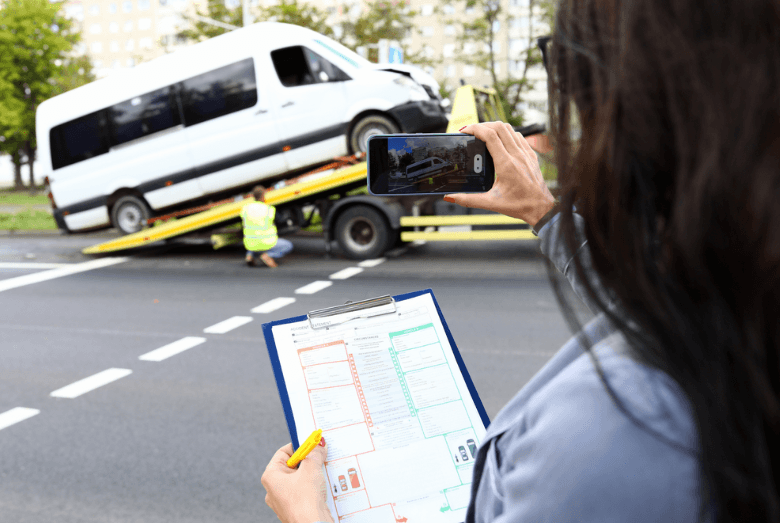
After a commercial vehicle collision, the first account rarely tells the full story. Metal damage, roadway marks, and witness memory still matter, yet onboard recorder data can supply a timed record of motion and driver input. That electronic history helps lawyers, insurers, and reconstruction specialists compare human recollection with stored measurements. In serious injury claims, those details can narrow factual disputes, reveal unsafe conduct, and support a more accurate account of the final seconds.
Early Review
Soon after a commercial vehicle crash, counsel often seeks electronic records before towing, storage transfers, or repair work alters the machine. That urgency explains why injured occupants may consult a Laughlin car accident lawyer at H&P Law when fault remains disputed. In that setting, recorded material may support a witness’s recollection, test a fleet’s timeline, and preserve key facts before critical evidence fades or disappears.
Common Fields
Federal transportation investigators report that event data systems may capture pre-impact speed, braking effort, throttle use, steering input, seat belt status, and crash force. Commercial vehicle records can also show sudden deceleration, engine activity, and limited post-collision movement. No single file answers every legal question. Even so, a measured timeline can help experts compare competing accounts against stored vehicle behavior from the seconds before impact.
Timing Counts
Seconds matter in a truck crash case because timing often separates carelessness from an unavoidable event. Memory may blur after pain, noise, fear, or blood loss. Recorder entries can show whether braking began almost at impact or several moments earlier. That difference carries weight. A late response may suggest distraction, while earlier braking can support a claim that traffic conditions left little room to avoid contact.
Memory Gaps
Witnesses often disagree about lane position, signal use, or travel speed, especially after a violent collision. Machine-stored records can serve as a neutral check on those differences. If a driver reports hard braking, yet the file shows none, credibility may suffer. The opposite can also happen. When personal accounts match recorded inputs, insurers and courts may give those statements greater weight in a fault analysis.
Driver Conduct
Recorder output can help assess whether the operator responded with reasonable care. A case may hinge on acceleration, coasting, or a steering correction just before impact. Those movements can reflect alertness, judgment, and control. Stored speed changes may also indicate an unsafe pace for weather, traffic density, or cargo weight. In a negligence claim, such details often shape both liability arguments and damage valuation.
Vehicle Condition
Electronic records may also point investigators toward maintenance failures. If a braking response appears delayed, experts may inspect worn parts, problems with air pressure, or ignored service warnings. An abrupt shift in engine behavior could raise concerns about mechanical trouble before impact. That matters in fleet litigation. Responsibility may extend beyond the driver when a company skips inspections or postpones repairs needed for safe operation.
See also: How Family Law Cases Involving Narcissistic Conflict Work
Route and Clock
Time-stamped data can place the vehicle within a larger sequence of events on the day of the crash. Investigators may compare stored times with dispatch logs, phone records, toll entries, fuel receipts, and camera footage. Consistency across those sources can strengthen a case. Conflict raises new questions. A mismatch may expose inaccurate reporting, altered logs, or a timeline assembled later for defensive reasons.
Preservation Steps
Digital evidence matters only if it is preserved correctly. Commercial vehicles may be moved, repaired, or returned to service within hours. For that reason, lawyers often send preservation letters quickly after a serious wreck. Those notices can request access and discourage destructive changes. Chain of custody also deserves close attention, because the opposing side may challenge authenticity, download methods, or missing portions of the file.
Settlement Value
Strong recorder evidence can alter settlement discussions in a meaningful way. Clear proof of speed, braking, or impact timing may leave less room for denial and shorten disputes over fault. That clarity can affect medical damage claims, lost earnings, and company exposure. Defense counsel studies the same material for helpful points. Its practical value lies in reducing guesswork and sharpening case valuation with measurable facts.
Limits
Recorder data has limits, and no claim should rest on one source alone. Some systems capture only a brief window. Other devices store less detail than expected or require prompt retrieval with specialized equipment. Context still matters. Road design, weather, cargo load, driver fatigue, and vehicle damage must be reviewed alongside the electronic file. A sound case analysis joins stored measurements with scene evidence and testimony.
Conclusion
Black box data can play a major role in a commercial vehicle crash case because it preserves measurable facts from the moments that matter most. Speed, braking, steering, timing, and force readings may confirm or challenge what drivers and witnesses later report. When preserved early and interpreted carefully, that information can sharpen liability analysis, guide settlement decisions, and help courts evaluate the claim on a fuller factual record.