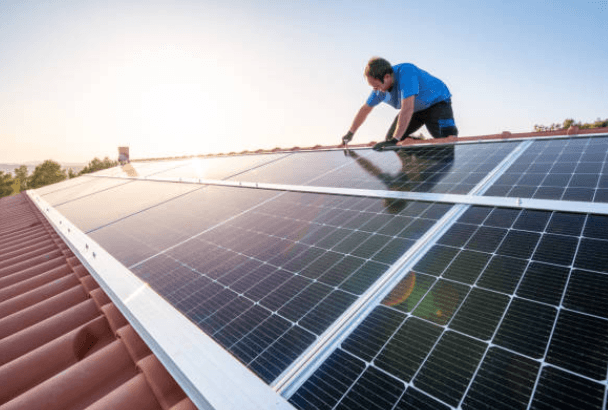
Rising electricity prices and increasing environmental concerns have pushed many homeowners to explore renewable energy solutions. Among the available options, solar power has become one of the most practical and widely adopted choices. Installing solar panels for house is no longer seen as a luxury upgrade—it is now considered a long-term investment that delivers financial savings, energy independence, and environmental benefits.
As solar technology continues to improve, systems are becoming more efficient, affordable, and accessible for residential use. Homeowners are now able to generate their own electricity, reduce reliance on the grid, and protect themselves from rising energy costs.
What Are Solar Panels and How Do They Work?
Solar panels are devices designed to convert sunlight into electricity using photovoltaic (PV) cells. These cells absorb sunlight and generate direct current (DC) electricity, which is then converted into alternating current (AC) through an inverter. AC electricity is what powers most household appliances.
A basic solar energy system includes:
- Solar panels installed on rooftops or open spaces
- An inverter to convert electricity
- Mounting structures for stability
- Optional battery storage for excess energy
Once installed, the system begins generating clean electricity from sunlight, reducing dependence on traditional energy sources.
Why Solar Panels for House Are Becoming More Popular
The demand for solar energy has grown rapidly in recent years due to increasing electricity costs and environmental awareness. Many homeowners are now looking for sustainable solutions that reduce long-term expenses while supporting cleaner energy use.
Key reasons behind growing popularity include:
- Rising electricity bills
- Increased awareness of climate change
- Government incentives and subsidies in some regions
- Long-term financial savings
- Energy independence and stability
Solar energy offers a practical solution to unpredictable energy prices, making it an attractive option for households.
Key Benefits of Installing Solar Panels for House
Installing a solar energy system provides multiple benefits that go beyond cost savings.
1. Significant Reduction in Electricity Bills
One of the most immediate benefits is lower monthly energy bills. Once solar panels are installed, they generate free electricity from sunlight, reducing the amount of power needed from the grid.
Over time, this can lead to substantial savings, especially for households with high electricity usage.
2. Environmentally Friendly Energy Source
Solar energy is clean, renewable, and sustainable. It does not produce harmful emissions or contribute to air pollution.
Environmental benefits include:
- Reduction in carbon emissions
- Lower reliance on fossil fuels
- Decreased environmental footprint
- Promotion of sustainable energy use
Switching to solar power is one of the most effective ways homeowners can contribute to environmental protection.
3. Increased Property Value
Homes equipped with solar panels are often more attractive to buyers. Many property buyers view solar installations as a valuable upgrade that reduces future electricity costs.
This can result in:
- Higher resale value
- Faster property sales
- Increased market demand
4. Energy Independence
Solar panels allow homeowners to generate their own electricity, reducing dependence on utility companies. This provides greater control over energy consumption and protection against rising electricity prices.
5. Low Maintenance Requirements
Once installed, solar systems require minimal maintenance. Occasional cleaning and routine inspections are usually sufficient to keep the system operating efficiently.
How Solar Panels Work in Residential Homes
The process of generating solar energy is simple but highly effective.
Step-by-step process:
- Sunlight is absorbed by solar panels
- Photovoltaic cells convert sunlight into DC electricity
- An inverter converts DC electricity into AC power
- Electricity is used to power household appliances
- Excess energy can be stored or sent back to the grid
This continuous cycle allows homeowners to generate electricity throughout the day.
Types of Solar Panels for Homes
Different types of solar panels are available depending on budget and energy needs.
Monocrystalline Solar Panels
- High efficiency
- Long lifespan
- Better performance in low-light conditions
- Higher cost compared to other types
Polycrystalline Solar Panels
- More affordable
- Moderate efficiency
- Suitable for larger roof spaces
- Widely used in residential installations
Thin-Film Solar Panels
- Lightweight and flexible
- Lower efficiency
- Suitable for specialized applications
Choosing the right type depends on available space, budget, and energy requirements.
Factors to Consider Before Installation
Before installing solar panels for house, homeowners should evaluate several important factors to ensure maximum efficiency.
Key considerations include:
- Roof condition and structural strength
- Amount of sunlight exposure throughout the year
- Household electricity consumption
- Budget and return on investment expectations
- Local regulations and installation permits
Proper planning ensures better performance and long-term savings.
Installation Process Explained
The installation of solar panels is a structured process carried out by professionals.
It typically includes:
- Site inspection and energy assessment
- System design based on energy needs
- Roof preparation and mounting setup
- Panel installation and electrical wiring
- Inverter connection and system testing
- Final activation and performance check
Once the system is active, it begins generating electricity immediately.
Maintenance Tips for Long-Term Performance
Solar panels are designed to be durable and low-maintenance, but proper care helps improve efficiency.
Recommended maintenance practices:
- Clean panels regularly to remove dust and debris
- Inspect wiring and electrical connections
- Monitor energy production levels
- Schedule periodic professional inspections
Proper maintenance ensures consistent performance and longer system lifespan.
Common Myths About Solar Energy
Despite growing popularity, several myths still exist around solar technology.
Myth 1: Solar Panels Do Not Work in Cloudy Weather
Solar panels still generate electricity even on cloudy days, although at reduced efficiency.
Myth 2: Solar Systems Are Too Expensive
While initial installation costs may seem high, long-term savings often outweigh the investment.
Myth 3: Solar Panels Require Constant Maintenance
In reality, solar systems require very little maintenance once installed.
Future of Residential Solar Energy
The future of solar energy looks highly promising as technology continues to advance. Improvements in efficiency, battery storage, and smart energy systems are making solar power more reliable and accessible.
Future trends include:
- Smart home energy integration
- Advanced battery storage solutions
- Higher efficiency solar panels
- Lower installation costs over time
These developments will continue to drive adoption in residential homes.
Importance of Professional Installation
Professional installation plays a crucial role in ensuring system efficiency and safety. Proper design, placement, and wiring directly impact energy output and long-term performance.
For homeowners seeking reliable renewable energy solutions, FES Ltd provides expert solar installation services designed to improve energy efficiency and reduce long-term electricity costs.
See also: Why Businesses Choose CPAs Over Standard Accountants
Final Thoughts
Installing solar panels for house is one of the most effective ways to reduce electricity bills, achieve energy independence, and support environmental sustainability. With increasing energy costs and improved solar technology, more homeowners are making the switch to solar power as a long-term investment.
By choosing the right system, ensuring professional installation, and maintaining it properly, homeowners can enjoy consistent energy savings and contribute to a cleaner, more sustainable future.