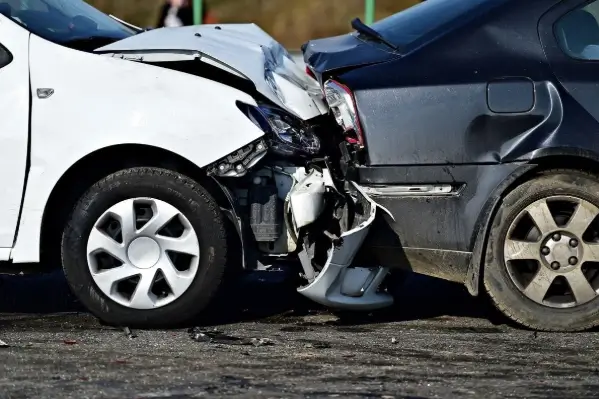
Liability after a severe crash rarely rests on one clear error. Several drivers, stacked insurance policies, roadway design, and mechanical failures can intersect within seconds. Proof means building a time-stamped story that links conduct to injury using records that stand up to review. Texas fault rules shape strategy because a percentage of blame can shrink compensation or stop recovery. Careful documentation helps separate suspicion from what verifiable facts show.
Early legal triage sets the proof plan
In Houston, proof can disappear fast as vehicles get repaired, debris gets cleared, and video systems overwrite files. Many people start with safety reporting and then consult a Houston car accident attorney at Omega Law to coordinate care notes, scene images, and insurer contact rules around a preservation checklist. The point is speed and accuracy, so key items are requested before deadlines and data loss.
Duty and breach are framed in plain actions
Negligence begins with a duty to drive with reasonable care. A breach is shown through concrete choices, such as unsafe speed, tailgating, distraction, or a prohibited turn. Strong proof ties each alleged misstep to a measurable moment on the road. Claims hold firmer when every assertion matches a photo, a citation, a timestamp, or a neutral witness statement.
Causation connects the act to the harm
A driving error must do more than look careless; it must cause both the collision and the physical harm. Disputes often rise when impact damage seems limited, symptoms begin later, or prior conditions exist. Early clinical documentation matters because it anchors timing. Imaging results, therapy attendance logs, and specialist opinions can clarify why pain patterns fit crash forces and body mechanics.
Damages must be measured, not guessed
Losses include medical charges, projected care, missed wages, and reduced work capacity. Numbers are more convincing when they come from itemized statements, payroll history, and treatment plans. Future costs often require clinical support that explains duration, frequency, and expected pricing. A clear damages file also limits arguments that care was unrelated, delayed, or excessive for the reported injury pattern.
Comparative fault shifts the math
Texas uses a modified comparative fault rule with a 51 percent cutoff. Any assigned share can reduce payment, while a majority share can end the claim. Adjusters often press for small concessions that later become larger blame percentages. Liability proof should address sight distance, signal phases, lane position, and reaction timing to reduce attempts at blame transfer.
Multi-vehicle crashes require a timeline
Chain-reaction crashes can involve several impacts with different injury sources. A useful timeline tracks who struck whom, the order of contacts, and the pause between hits. Damage profiles, debris locations, and witness vantage points can separate events that feel like one crash. When evidence shows multiple causes, responsibility can still be divided using consistent sequencing and physical markers.
Commercial vehicles add layers of responsibility
Truck collisions can involve a driver, carrier, shipper, broker, or maintenance vendor. Responsibility may hinge on logs, dispatch records, training files, drug and alcohol testing, and inspection reports. Safety rules help define reasonable conduct for the route and load. Preservation requests matter early because fleets control many of the key documents, and retention windows can be short.
Roadway and weather factors can share blame
Standing water, glare, missing signage, and worn striping can contribute to a wreck. Those conditions do not excuse reckless driving, yet they change visibility, traction, and stopping distance. Photos taken soon after impact help show the surface, lighting, and lane cues that drivers faced. Public maintenance records, prior complaints, and work orders can also support a road-defect claim.
See also: Lawn Care in Mississauga: Expert Seasonal Tips for a Healthy Yard
Technology can confirm or contradict accounts
Many vehicles store speed, braking, and steering inputs, while phone records can indicate call or message activity. Nearby cameras may capture signal timing, lane position, or point of impact. Data still needs careful interpretation, since sensors can miss context like a blocked view or a sudden lane closure. Used well, objective tech reduces reliance on conflicting recollections.
Conclusion
You prove complex liability by turning a chaotic moment into a documented sequence: duty, breach, causation, and damages. The best outcomes start with early evidence protection, then steady alignment between each claim and a reliable record. Multi-vehicle impacts, trucking roles, and road conditions can add responsible parties while also expanding the pool of proof. With coherent timelines and credible medical documentation, accountability becomes clearer.