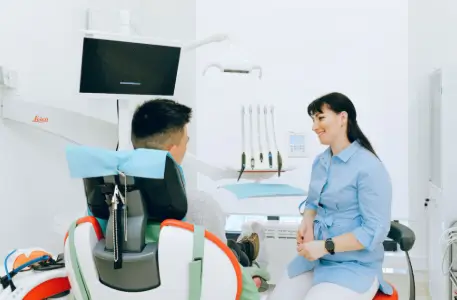
It’s not one big moment. More like a series of small ones that don’t seem connected at first. A patient is standing instead of sitting because the waiting area is full. A nurse pauses in a doorway, letting someone pass. A doctor is shifting a trolley just to make space.
Nothing serious. Just… slightly inconvenient. And that’s usually how conversations around medical fitouts begin. Not urgent. Just building.
It Still Works. Just Not Smoothly
Clinics don’t suddenly stop functioning. Appointments continue. Systems stay in place. People adapt. But there’s friction.
Tiny delays. Extra steps. Small interruptions that didn’t used to exist. Over time, those things start to stand out.
And that’s often when medical fitouts move from being an idea to something worth considering. Because the issue isn’t failure. It’s inefficiency that keeps repeating.
Movement Becomes the Problem You Didn’t Expect
You’d think space is the main issue. But it’s usually movement. People crossing paths. Staff navigating around the equipment. Patients are hesitating at unclear entry points. It’s not chaos. Just awkward.
And that’s where medical fitouts focus more than people realise. Not just how a clinic looks, but how it flows. Because when movement improves, everything else tends to follow.
Staff Adjust Without Saying Much
They always do. A nurse takes a longer route. A GP changes how they position things in a room. Reception finds ways to manage queues without making it obvious.
No complaints. Just adjustments. But those adjustments come with a cost. Time. Energy. Focus. And eventually, someone points it out.
That’s often the moment when medical fitouts are seriously discussed. Not because staff asked for it, but because their workarounds became visible.
Storage Starts Spilling Into Everything
This one creeps in quietly. A cabinet gets full. Then another. Supplies get moved to different rooms. Things are still there, just not where they should be. You open a drawer expecting one item. It’s somewhere else.
Not a big issue. Until it happens ten times a day. That’s when clinics realise that medical fitouts aren’t just about space. They’re about organisation that actually works.
Privacy Feels Slightly Off
No major problems. But conversations carry further than expected. A patient at reception hears more than they should. Someone in a nearby room picks up fragments of a discussion. It’s subtle. Easy to overlook.
But it matters. And it’s one of those things that medical fitouts address quietly. Adjusting layouts, materials, and spacing. Not obvious changes, but noticeable in how the space feels afterwards.
Planning Takes Longer Than You Think
Once the decision is made, things slow down. A lot. Measurements. Compliance checks. Layout revisions. Conversations that go back and forth more than expected.
Because medical fitouts aren’t simple rearrangements. They involve regulations, safety requirements, and technical details that connect in ways you don’t always see upfront.
It can feel overwhelming at first.Then it starts to make sense. Gradually.
See also: Business Funding for Small Business: Practical Strategies and Funding Options
Keeping the Clinic Running at the Same Time
This part is tricky. Most clinics can’t just stop. So the fitout happens around daily operations. Temporary setups. Adjusted schedules. Some noise. Some inconvenience. It’s not seamless.
But experienced providers of medical fitouts usually plan for this. Phased work. Careful timing. Trying to minimise disruption where possible. Still, there’s always a bit of mess in the middle.
The First Day After Isn’t Dramatic
No big reveal. People walk in. Look around briefly. Then get back to work. But during the day, things start to feel different. Less congestion. Easier movement. Equipment where it actually makes sense.
That’s how medical fitouts show their impact. Not all at once. Just through the way things flow better.
Efficiency Builds Quietly
It doesn’t hit you immediately. But over a few days, then weeks, you notice it. Fewer unnecessary steps. Less time adjusting setups. Smoother transitions between patients.
Individually, these are small. Together, they change how the clinic operates. And that’s where medical fitouts prove their value. In everyday moments, not just the finished space.
Patients Feel It Without Naming It
Patients don’t usually comment on layout. But they notice how a space feels. More organised. Less crowded. Easier to navigate.
They move through the clinic without hesitation. That’s often the result of thoughtful medical fitouts. A space that guides people without needing instructions.
Not Everything Changes
Some things stay the same. Busy hours are still busy. Certain rooms are still preferred. Some habits stick around. That’s normal.
Medical fitouts don’t replace how people work. They support it. Make it easier. More natural.
Over Time, It Just Feels Normal
At first, the changes stand out. Then they don’t. The new layout becomes routine. The improvements feel expected.
And that’s usually the goal. Because good medical fitouts aren’t meant to feel new forever. They’re meant to feel like they were always supposed to be that way.
Final Thought, Slightly Unpolished
Most clinics don’t realise they’ve outgrown their space all at once. It shows up in small ways. A crowded corner. A longer walk. A moment of hesitation.
And somewhere in that, the idea forms. Not urgent. Not dramatic. Just the sense that things could work better.
That’s where medical fitouts from Juma Projects come in. Not as a big transformation. Just a quiet shift that makes the day easier.