
Urban living often means compromising on space, but balconies and terraces don’t have to be part of the trade-off. Too often treated as storage or an afterthought, these small outdoor areas hold real potential. With thoughtful design, even a compact balcony can become a true extension of the home—a place to read, unwind, or share a quiet moment. The shift isn’t about square footage, but intention. Furniture, lighting, and a few practical upgrades can make all the difference. This article offers realistic strategies for turning your balcony or terrace into a genuine second living room.
1. Start With Comfortable, Space-Smart Furniture
Choose foldable or modular seating
Balconies frequently impose spatial constraints that require careful furniture selection. Bulky pieces, while visually appealing, can quickly overwhelm limited square footage and restrict movement. Foldable or modular seating offers flexibility, allowing layouts to adapt to different needs throughout the day. Seating that can be rearranged or stored easily supports both solo relaxation and small gatherings. Lightweight designs also simplify cleaning and seasonal adjustments. Functional versatility often proves more valuable than permanent arrangements in compact environments. Space-smart seating choices create the foundation for a genuinely livable outdoor area.
Add weather-resistant cushions and rugs
Comfort plays a decisive role in whether a balcony space is actually used or simply admired. Hard surfaces alone rarely encourage extended lounging or casual downtime. Weather-resistant cushions introduce softness without creating constant maintenance concerns. Outdoor rugs further enhance warmth and visual cohesion, helping the area feel intentionally designed rather than improvised. Modern materials resist moisture and fading, making them suitable for varied climates. Textiles also contribute to noise dampening, subtly improving the atmosphere. Small comfort upgrades significantly influence how welcoming the space feels.
2. Bring Power Anywhere With a Portable Power Station
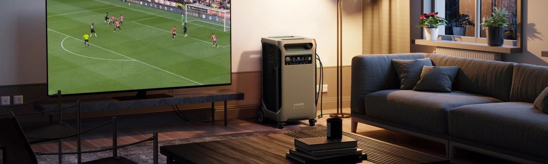
Access to electricity often limits how functional a balcony or terrace can be—especially in buildings with few or poorly placed outlets. A portable power station removes that constraint, making it easy to run lighting, small appliances, or personal devices without running extension cords through doors or windows. The Anker SOLIX series is a solid example of what a best portable power station can offer: reliable output and electrical stability, so you don’t have to worry about inconsistent power or damaged devices. With that kind of dependability, a balcony stops being just an outdoor ledge and starts feeling like a true extension of the home.
3. Add Ambience With Layered Lighting
String lights for soft overhead glow
Lighting defines mood more than almost any other design element, particularly in outdoor settings. Overhead string lights introduce gentle illumination that feels warm rather than harsh. This type of lighting works well for conversations, dining, or quiet relaxation after sunset. Soft ambient glow visually enlarges small spaces, making balconies feel more open and inviting. Energy-efficient bulbs further support extended use without excessive power demands. Even minimal lighting adjustments can dramatically alter perceived comfort. Layered illumination strategies elevate both functionality and atmosphere.
Battery-powered lanterns and LED candles
Portable lighting accents provide additional depth and adaptability to balcony environments. Lanterns and LED candles offer localized illumination that complements overhead sources. These elements enhance visual interest while maintaining practical versatility. Because they require no fixed wiring, placement can evolve with changing layouts or occasions. Modern designs emphasize safety and durability, supporting routine outdoor exposure. Gentle secondary lighting also promotes relaxation by avoiding excessive brightness. Portable light sources contribute to a balanced and welcoming ambiance.
4. Extend the Season With Heating and Cooling
Use a portable patio heater for cooler nights
Temperature variations often determine how frequently outdoor household spaces are used. Cooler evenings, while pleasant in theory, can discourage extended balcony stays without adequate warmth. Portable patio heaters address this challenge by creating localized comfort zones. Controlled heating supports year-round usability rather than strictly seasonal enjoyment. Modern compact models suit small terraces without dominating visual space. Warmth also enhances perceived coziness, encouraging longer relaxation periods. Thermal comfort solutions broaden practical living possibilities.
Run a rechargeable fan on hot afternoons
Heat introduces a different but equally significant constraint on outdoor comfort. Direct sunlight and limited airflow can quickly make balconies feel stifling. Rechargeable fans provide gentle circulation that improves perceived temperature and air quality. Portable cooling enhances usability during warm afternoons or still evenings. Adjustable airflow allows comfort to be tailored to personal preference. Improved ventilation also supports activities such as reading or remote work. Small cooling devices significantly influence environmental comfort.
5. Define the Space With Plants and Privacy
Use potted greenery as natural room dividers
Visual structure helps transform a balcony from an exposed platform into a cohesive living area. Potted greenery functions as both decoration and subtle spatial definition. Plants introduce texture, color, and a sense of natural calm often absent from urban settings. Strategic placement can create gentle separations without imposing rigid barriers. Greenery also softens architectural lines and hard surfaces. Living elements contribute to psychological relaxation and aesthetic warmth. Natural dividers support both comfort and design continuity.
See also: Autonomous Vehicle Technology Explained
Add bamboo screens or outdoor curtains
Privacy strongly influences how relaxed an outdoor living space feels. Excessive visibility from neighboring buildings can reduce comfort and discourage frequent use. Bamboo screens or outdoor curtains offer flexible solutions that preserve airflow while enhancing seclusion. Adjustable coverage allows light and openness to be balanced with discretion. Visual shielding also strengthens the impression of a defined, intentional room. Materials designed for exterior use ensure durability across changing conditions. Privacy enhancements encourage consistent enjoyment of the space.
Conclusion
Transforming a balcony or terrace into a second living room relies less on size and more on thoughtful coordination of comfort, functionality, and atmosphere. Space-smart furniture establishes usability, while textiles introduce warmth and relaxation. Reliable portable power expands possibilities, supporting lighting and devices without complicated wiring. Layered illumination refines mood, and temperature management extends seasonal relevance. Plants and privacy solutions complete the environment by enhancing both aesthetics and comfort. When these elements work together, even modest outdoor areas can become integral parts of daily living. A well-designed balcony evolves from overlooked space into a genuinely valuable extension of the home.