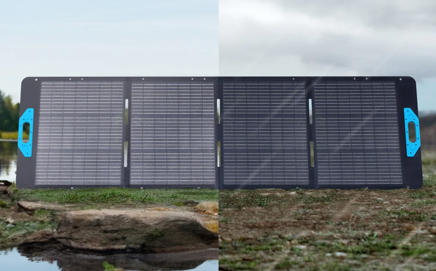
Forested campsites offer shade, cooler temperatures, and peaceful surroundings, but they also reduce sunlight—the very thing solar panels depend on. Many campers wonder whether they can rely on solar energy when staying under tall trees or within dense woodland. The answer depends on how you position the panel, how you adapt to shifting light, and how efficiently your solar gear performs. A portable model such as the Anker SOLIX PS200 Portable Solar Panel works well in these settings because it adjusts to multiple angles, folds for mobility, and remains durable in unpredictable outdoor environments. Understanding how forests influence solar performance helps campers plan for steady power during multi-day adventures.
How Forested Conditions Shape Solar Output for Campers
Sun Pockets Play a Major Role in Charging Success
Forested areas rarely offer full-sun conditions, but they often present sun pockets—brief openings in the canopy where direct light reaches the forest floor. Campers who scout these spots early gain the most reliable charging windows. The Anker SOLIX PS200 Portable Solar Panel supports this strategy with four adjustable angles, allowing you to set the panel at 30°, 40°, 50°, or 80° to capture sunlight from different heights and angles as it filters through branches. By tracking sun pockets throughout the day, you turn short bursts of strong sunlight into meaningful energy collection. This approach works especially well for powering small appliances such as lamps or keeping essential devices charged. Many campers find that success in forests comes from mobility and attentiveness rather than perfect sunlight exposure.
Mobility Makes a Big Difference in Shaded Terrain
Campers who remain flexible about where they place their solar panel achieve stronger results in wooded regions. Because sunlight moves unpredictably across dense tree cover, a fixed setup limits output. Mobility allows the panel to follow light patches as they appear. The PS200’s foldable structure and manageable weight make it easy to pick up and relocate between clearing spots, picnic tables, or trail edges with better sun. Its included extension cables allow campers to place the panel far from shady tents while keeping devices protected under cover. By treating the panel as a movable part of the campsite rather than a static installation, campers capture more usable energy, even with forest shadows shifting throughout the day.
Ground Conditions Affect Light Capture and Panel Stability
Forested areas often have uneven ground, loose soil, or sloped surfaces that affect how a solar panel sits. Poor angle alignment reduces the panel’s ability to trap available sunlight. Campers who stabilize their panel on flatter ground or compensate by adjusting the angle maintain more consistent performance. The PS200’s built-in angle options help resolve this challenge because each tilt setting supports different terrain and light directions. When you combine steady placement with careful alignment, even a forest environment can deliver enough sunlight for necessary charging. The key is to match ground features with angle adjustments so the panel faces the brightest possible patch of sky throughout the day.
Practical Strategies for Reliable Solar Use in Forested Campsites
Weather Resistance Increases Charging Opportunities
Forested regions often experience fast shifts in weather—drizzle, humidity, or sudden shade from thick clouds. Campers sometimes worry about leaving solar equipment outside during these changes. A weather-resistant model removes that concern. The Anker SOLIX PS200’s IP67 waterproof protection allows you to keep the panel deployed even when conditions fluctuate. You gain more chances to charge during brief breaks in cloud cover or light rain without packing the panel away. This reliable resilience builds confidence when navigating the uncertainties of forest conditions. Once the weather no longer limits deployment, you maximize every available sun moment, even if those moments appear irregularly.
See also: Benefits of Smart Technology
Power Consumption Habits Need Adjusting in the Woods
Campers who stay in forests often assume they will get the same power output as they would in open fields, but shade naturally reduces efficiency. Instead of relying on all-day charging, campers can plan around concentrated output bursts during stronger light periods. Using the PS200’s efficient monocrystalline cells during these windows ensures higher conversion in shorter timeframes. By ranking device priorities—charging navigation tools, phones, lamps, or a mini fridge first—campers avoid spreading energy too thin. This mindset transforms forest solar use into a strategic routine rather than a passive expectation. When you pair smart power habits with efficient solar gear, forested regions become much more practical for renewable charging.
Combining Movement and Angle Adjustment Delivers Better Results
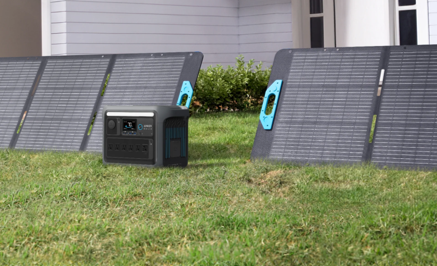
The biggest misconception campers carry is expecting solar panels to work the same across all environments. Forested areas require awareness of light direction, canopy density, and daily movement. By adjusting the panel’s angle settings and repositioning it as the sun changes direction, you significantly increase the amount of energy collected. This active approach aligns with how the PS200 was designed: to offer angle flexibility, portability, and consistent outdoor performance. Integrating one camping solar pannel into your forest gear becomes more practical when you treat solar as a dynamic part of your routine. With a few minutes of repositioning, you regain meaningful charging strength even in shaded environments.
Conclusion
Camping in forested areas introduces shade, uneven light, and moving sun patterns, but solar panels remain surprisingly practical when used with intention. Campers who identify sun pockets, reposition the panel throughout the day, adjust tilt angles, and manage energy priorities can maintain reliable charging even under tree cover. The Anker SOLIX PS200 Portable Solar Panel supports these conditions with angle flexibility, high conversion efficiency, waterproof protection, and a foldable build that encourages active use. Forest environments require awareness and adaptation, not perfect sunlight. When you combine smart placement with efficient solar technology, you unlock dependable off-grid energy in some of the most shaded and scenic campsites.