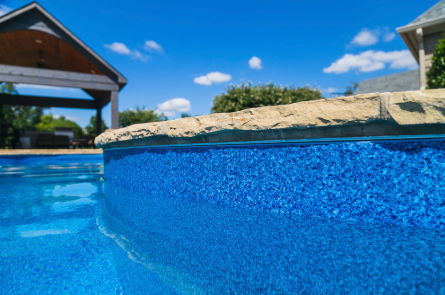
If your pool liner shows wear, tears, or fading, you can handle Pool Liner Installation yourself with the right tools and preparation. A properly fitted vinyl liner will restore the pool’s appearance and water-holding ability while costing far less than a full pool rebuild.
This guide walks you through the installation process, from prepping the pool and removing the old liner to smoothing wrinkles and securing fittings. You’ll also get straightforward advice on choosing the right liner material and simple maintenance steps to extend its life.
Pool Liner Installation Process
This section explains the tangible steps you’ll take: inspect the shell and measurements, remove the old liner and fittings, fit the new vinyl carefully, and secure all seams and penetrations. Follow the sequence and use the listed tools and checks to avoid common leaks and wrinkles.
Preparation and Inspection
Start by gathering tools: tape measure, utility knife, screwdrivers, wrenches, shop vacuum, chalk line, and a level. Verify you have the correct liner size and pattern number matching your pool shape and depths.
Drain the pool to a safe level and remove debris. Inspect the pool shell—concrete, gunite, or steel—for cracks, rust, loose tiles, or sharp edges. Repair cracks with hydraulic cement, grind and prime rusted metal, and replace damaged coping or tile that will contact the liner.
Measure wall height and pool circumference at multiple points. Mark step and bench locations and confirm the liner’s overlap allowance. Check skimmer and return locations against the liner cutouts; note any offsets so you can order or prepare gaskets and mounting flanges.
Removing the Old Liner
Cut power to pumps and heaters and disconnect plumbing to the skimmer and returns. Remove ladders, rails, lights, and accessories that penetrate the shell or sit against the wall. Keep fasteners organized for reuse or replacement.
Loosen the bead at the top track (for inground, unstitch the liner from coping if necessary). Pull the liner down to the floor and cut into manageable sections using a utility knife. Roll each section inward to avoid dragging dirty material across cleaned areas.
Dispose of liner sections according to local regulations. Inspect the shell again once the liner is out—look for hidden corrosion, loose screws in track systems, or pooling water behind walls. Clean the floor and walls with a brush and mild detergent; remove adhesives and old sand or foam underlay so the new liner seats flush.
Fitting the New Liner
Unfold the liner on a clean, dry surface near the pool and allow it to relax and warm in sunlight if recommended by the manufacturer. Check that pattern orientation and depth markings match the pool layout.
Install pool accessories (returns, skimmer gaskets, light fittings) temporarily over the liner to confirm hole alignment. Start at the deep end or a corner, depending on your pool type, and feed the bead into the track around the perimeter. Use a bead tool for even seating without stretching the vinyl.
Smooth the liner onto steps and benches by hand, working outward from the center to push out air and wrinkles. Use a wet vacuum under the liner to pull it tight to the floor in dished or irregular areas; for above-ground pools, ensure the liner sits evenly in the bead receiver. Keep constant tension and avoid pulling one area tighter than adjacent sections.
Securing and Sealing
Trim excess vinyl at fittings, leaving a 2–3 inch margin to form a proper gasket seal. Install gaskets, flanges, and faceplates per manufacturer torque specs to prevent over-compression of the vinyl. Replace or install new retainer strips or coping as required.
Begin filling the pool with a slow, steady water flow while watching seams and corners for wrinkles. As water rises, continue to seat the bead and adjust the liner to maintain uniform tension. Use a vacuum system on the floor only when the liner is at least partially supported by water to prevent shifting.
Inspect all penetrations and the top bead for gaps. Apply a manufacturer-approved sealant where fittings meet vinyl if indicated. Reconnect plumbing and electrical components, test for leaks at skimmers, returns, and lights, and verify the pump and filtration run without air locks.
See also: How Long Can a Whole Home Generator Run Continuously?
Choosing and Maintaining Pool Liners
Choose a liner that balances durability, fit, and appearance for your pool type. Factor material thickness, pattern, and whether you need a stock size or a custom cut based on pool shape and usage.
Types of Pool Liners
Vinyl liners come in two main groups: above-ground and inground. Above-ground liners are thinner (typically 20–30 mil) and designed for full-sun exposure; they cost less but will fade and become brittle faster. Inground liners use heavier gauges (28–40+ mil) and often include welded seams for greater longevity and resistance to punctures.
You can also find specialty materials and textured surfaces that reduce slipperiness and hide minor blemishes. Choose a gauge based on expected use: families and heavy use call for thicker vinyl. Consider UV-resistant additives and chemical-stable formulations if your pool runs high sanitizer levels or sits in strong sun.
Sizing and Customization
Measure both the pool floor and wall profiles precisely. For rectangular and oval pools, measure length, width, and wall heights at multiple points; for freeform pools, create a paper or plastic template of the shape to capture curves and contour changes.
Decide between stock liners (faster, cheaper) and custom liners (exact fit for irregular shapes, features like steps, benches, and tanning ledges). If you choose custom, specify weld lines, j-hooks or bead types, and seam placement to minimize stress points. Always allow a small material allowance for smoothing and adjustment during installation.
Maintenance Tips
Keep chemical levels stable: pH 7.2–7.6 and sanitizer according to your system to prevent vinyl degradation. Test water at least twice weekly during peak season and after heavy rain or high bather load.
Clean gently using a soft brush and nonabrasive cleaners formulated for vinyl. Vacuum solids regularly and remove any sharp objects promptly. Inspect seams, corners, and behind steps monthly for early signs of wear. Use a winter cover or solar cover to limit UV and debris exposure, and store replacement chemical containers away from liner contact.
Troubleshooting Common Issues
Wrinkles often result from improper initial fitting or water level changes; small wrinkles can be smoothed by adjusting water level and warming the liner in sun, but deep creases may need professional re-stretching. Punctures under 1–2 inches can be patched with a vinyl patch kit; clean and dry the area thoroughly before applying adhesive and pressure.
Fading and brittleness indicate UV or chemical overexposure; replace the liner if multiple brittle spots appear. Persistent leaks that appear at seams or around fittings usually require professional inspection and seam repair or replacement. Keep a log of repairs and water chemistry to spot recurring problems quickly.