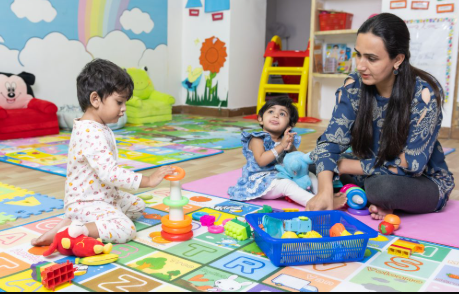
Finding reliable child daycare near me shouldn’t feel overwhelming. You can quickly narrow options by prioritizing location, licensing and daily routines that match your child’s needs, so you spend less time searching and more time making confident visits. You’ll learn practical steps to compare centers, spot strong safety and curriculum practices, and identify programs that fit your schedule and budget.
This post walks you through common local options—from neighborhood child daycare and faith-based programs to licensed centers and in-home care—and explains what to look for when enrolling. Use these tips to create a short list, ask the right questions on tours, and move from uncertainty to a clear enrollment plan.
Child Daycare Options Near You
You’ll find daycares that differ by setting, staffing, licensing, cost, and program focus. Evaluate each option against your child’s age, routine, and any special needs before you visit.
Types of Local Childcare Facilities
Childcare typically appears as center-based, home-based, and school-linked programs. Center-based daycares run full-day rooms for infants, toddlers, and preschoolers with multiple staff and structured schedules. Home-based providers care for smaller groups in a private residence; they may offer more flexible hours and a homelike routine. School-linked programs operate before‑and‑after school care and full‑day kindergarten support on school property. You can also find specialty programs: language immersion, faith-based, and inclusive care for children with developmental needs. Check group sizes and staff qualifications to match your child’s age and temperament.
Licensed Versus Unlicensed Providers
Licensed providers meet provincial or state rules for staff ratios, safety, and inspections. Licensing gives you access to inspection reports, complaint records, and often subsidy eligibility. Unlicensed or informal care—such as a neighbor, nanny-share, or small unregulated home program—may cost less and offer flexibility but lacks regular oversight. Verify insurance, emergency plans, and references when considering unlicensed options. For infants and children with health or developmental needs, prefer licensed programs where staff training and regulated ratios reduce risk.
Key Features to Look for in Daycare Centers
Prioritize staff qualifications, adult-to-child ratios, and turnover rates; ask for staff certifications in early childhood education and first aid. Inspect the physical space for age-appropriate equipment, secure entry/exits, and clean diapering/sleeping areas. Review daily schedules for balance of free play, outdoor time, and guided learning, plus how the center handles feeding, naps, and medication. Request sample menus, discipline policies, and communication methods (apps, daily sheets, or meetings). Finally, confirm cost, hours, waitlist policies, and whether the center participates in subsidy or CWELCC-like fee reductions if affordability matters to you.
See also: flow: What Is a Workflow in Business Process Management
Enrolling in a Local Daycare
You’ll need to visit facilities, compare schedules and fees, complete registration paperwork, and confirm safety credentials before placing your child. Prioritize programs that match your daily routine, budget, and developmental expectations.
Touring and Comparing Daycares
Schedule tours at times when children are in class to observe routines, staff interactions, and drop-off procedures. Note teacher-to-child ratios, daily schedules (naps, meals, outdoor play), and how staff handle transitions and discipline.
Bring a checklist: licensing posted, staff CPR/first-aid certification, sample menu, sample curriculum or activity plan, and staff turnover rate. Ask for a copy of the most recent inspection or quality-rating report and any incident records affecting children.
Compare concrete costs: hourly vs. flat monthly rates, registration and supply fees, late pickup penalties, and what’s included (meals, diapers, field trips). Check hours of operation against your commute and backup care policies for sick days or closures.
Enrollment Processes and Requirements
Expect to complete an application form, provide proof of age and immunizations, and sign consent forms for emergency care and medication. Many centers require an up-to-date immunization record or exemption documentation; verify exact documents before your visit to avoid delays.
You may need to pay a non-refundable deposit or hold fee to secure a spot, and centers often place children on a waitlist by age group. Ask about priority rules for siblings, staff children, or local residents so you understand your likelihood of placement.
Prepare a child information packet: emergency contacts, medical history, allergies, eating and sleep routines, and any behavioral or developmental needs. If your child receives subsidies or participates in programs (e.g., provincial child-care subsidies), bring approval letters and billing instructions.
Safety Standards and Certifications
Confirm the center is licensed by your local authority and ask to see the license certificate and inspection reports. Licensing ensures basic compliance with staff ratios, sanitation, and facility safety; specific requirements vary by province or region.
Check that staff have current CPR and pediatric first-aid training and that background checks are on file. Verify medication administration policies, secure storage for cleaning supplies, and emergency evacuation plans posted and practiced.
Look for quality indicators beyond minimum safety: accreditation (if available), participation in quality-rating systems, and transparent incident reporting. If the center cares for infants, inspect sleep practices (approved cribs, sleep position policies) and security measures (controlled entry, sign-in/out procedures).