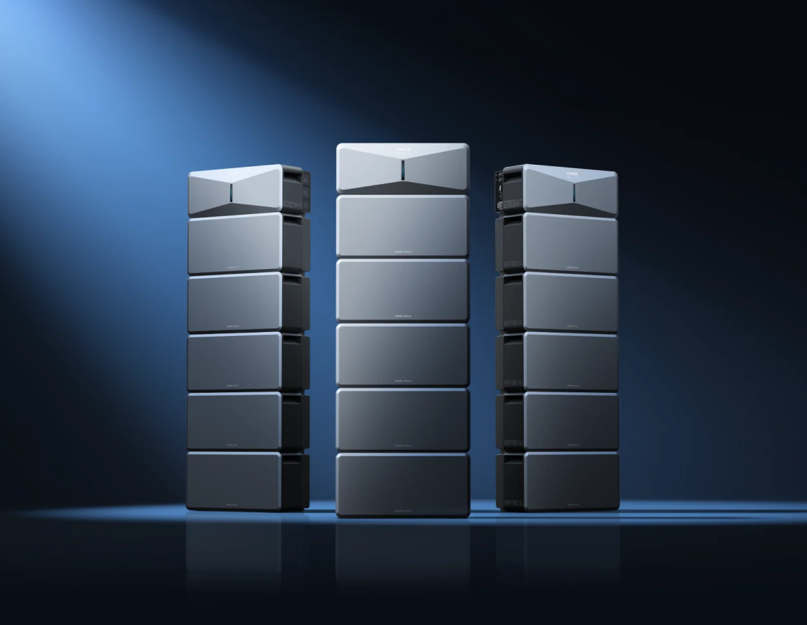
Continuous operation is the true stress test of any backup power system. Short outages reveal little about a home’s resilience, but a blackout that stretches into hours or days exposes how well a generator handles heat, load cycles, refueling demands, and weather conditions. Families often assume whole house generators can run indefinitely as long as fuel is available, yet real-world performance depends on far more than tank size. Modern hybrid systems such as the Anker SOLIX E10 with Power Dock take a different approach, blending battery storage, solar capability, and generator synergy to stretch runtime dramatically. Understanding what shapes continuous operation helps homeowners prepare for emergencies with clarity rather than guesswork.
What Determines Continuous Runtime for Whole Home Generators
Fuel Availability Creates the First Ceiling on Runtime
A generator that relies on propane, diesel, or gasoline can only run as long as the fuel supply lasts. During multi-day outages, homeowners quickly realize that refueling becomes unpredictable—stations may close, roads may be unsafe, or supply trucks may be delayed. Even when fuel is on hand, consumption varies based on load intensity, temperature, and how frequently large appliances cycle. Many families expect days of runtime and end up surprised at how quickly fuel drops under heavy demand. Hybrid systems change this equation. By allowing stored battery power to handle most of the home’s load, fuel becomes a supplement rather than the primary energy source. The E10 platform recharges through solar input and efficient generator synergy, meaning fuel is burned at optimal times instead of continuously. This lowers total consumption and extends the generator’s usable window during long emergencies. Homes shift from fuel dependence to fuel assistance, which creates far more predictable runtime planning.
Load Spikes and Peak Demand Influence Generator Stress
Generators rarely run at a steady, predictable load. Air conditioners cycle on, refrigerators restart, induction cooktops activate, and heaters surge during temperature swings. These changes create sudden power demands that push whole house generators to their limits. If a unit cannot handle the spike, it may stall or shut down, ending continuous operation unexpectedly. Systems engineered for high surge capability maintain stability far more effectively. With up to 37–66kW surge power available depending on configuration, the E10 platform starts demanding appliances like 5-ton central AC units or supports simultaneous HVAC systems when needed. By smoothing spikes through battery support, the system protects the generator from unnecessary strain. As a result, the generator avoids the common pattern of voltage dips and overwork that often shortens runtime during continuous operation.
Weather and Environment Directly Affect Long-Run Performance
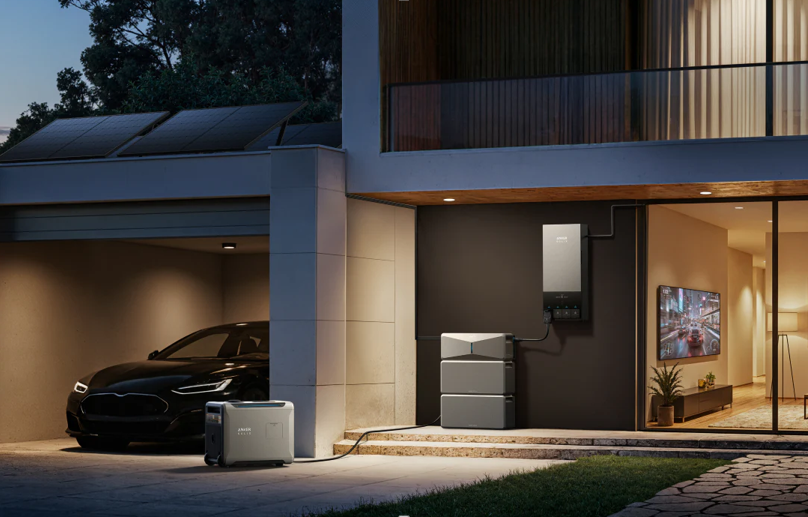
Generators operate outdoors, so temperature and weather conditions influence reliability. Scorching heat can cause overheating. Cold climates thicken fuel or slow startup. Heavy rain, snow, or wind stress external components. Even well-built units may experience derating under harsh conditions, reducing power output or shortening their ability to run nonstop. This is where resilient system design plays a major role. The E10 platform includes waterproofing and thermal protection capable of withstanding severe weather while operating continuously. Wall-mounting protects installations in flood-prone regions, while floor-mounting supports stable airflow in dry climates. Over multi-day operation, environmental resilience becomes a determining factor in whether backup power lasts until the grid returns.
How Hybrid Generator Systems Sustain Longer Continuous Operation
Battery Storage Extends Runtime Without Extra Fuel
The largest shift in generator technology involves integrating high-capacity batteries that take over most of the powering responsibility. Instead of running the generator nonstop, the home draws power from batteries first. When the battery reaches a certain threshold, the generator activates, recharges efficiently, and then shuts off again. With the E10 system offering 6–90kWh of expandable storage, homes can continue operating for long periods with minimal generator activity. Solar harvesting—up to 27kW depending on configuration—adds natural replenishment during daylight hours. This combination can support households for days without refueling. Continuous runtime becomes a mix of battery cycles, solar contribution, and timely generator boosts rather than a single uninterrupted engine cycle.
See also: SEO Services in Dubai: Driving Digital Growth in the Heart of the Middle East
Direct Charging Reduces Waste and Improves Efficiency
Traditional generators lose energy through conversion, idle running, and inefficient load matching. When operating for extended periods, these inefficiencies compound, consuming more fuel and reducing total runtime. The E10 system eliminates much of this waste through DC charging, which directly transfers energy to the battery bank without unnecessary conversion loss. By keeping the generator in its efficiency “sweet spot,” the system generates more usable electricity per unit of fuel. Over long outages, this efficiency can mean hours—or even days—of added endurance without changing homeowner behavior.
Whole-Home Coverage Prevents Overloading and Balances Consumption
Some homeowners install undersized systems that power only partial circuits. While workable for short outages, partial coverage often forces homes into inefficient consumption patterns during long ones. Families may run multiple extension cords, cluster appliances on a few circuits, or repeatedly switch devices on and off—all of which create load instability. Whole-home backup using a 200A Power Dock eliminates this problem. Every circuit receives power as normal, and high-demand appliances operate without compromising system stability. Families experience consistent consumption patterns, which reduces the frequency and intensity of load spikes. The generator therefore runs in a more predictable range, which improves overall runtime and reduces the stress that normally accumulates during extended outages.
Conclusion
The question of how long whole home generators can run continuously has no single answer—it depends on fuel availability, environmental conditions, load patterns, and system design. Traditional generators run only as long as their fuel supply lasts, often requiring frequent refueling during long outages. Modern hybrid systems such as the Anker SOLIX E10 with Power Dock redefine continuous operation by combining battery storage, solar input, and high-efficiency generator charging. These features dramatically extend runtime while reducing strain and fuel consumption. For families preparing for prolonged outages, long-term stability comes not from running a generator nonstop, but from using a system engineered to operate intelligently, efficiently, and consistently across days—not just hours.