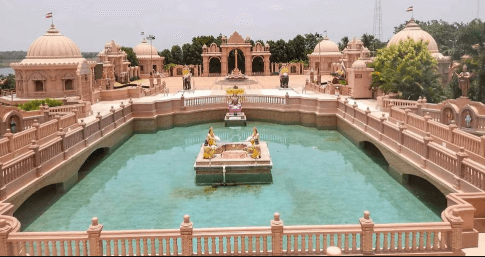
Ayodhya is one of India’s most sacred and historically rich cities, deeply rooted in spirituality, culture, and mythology. Located on the banks of the holy Saryu River in Uttar Pradesh, Ayodhya is revered as the birthplace of Lord Rama and holds immense significance for millions of devotees around the world. More than just a pilgrimage destination, Ayodhya is a city where ancient traditions, religious harmony, and living history come together.
For travelers seeking spiritual depth, cultural heritage, and timeless stories, exploring the places to visit in Ayodhya offers an experience that is both meaningful and unforgettable.
The Spiritual Importance of Ayodhya
Ayodhya is counted among the Sapta Puri—the seven most sacred cities in Hinduism believed to grant moksha. According to the Ramayana, it was the capital of the ancient Kosala Kingdom and the birthplace of Lord Rama, an incarnation of Lord Vishnu. This association alone places Ayodhya at the heart of Indian spiritual consciousness.
The city is also important in Jainism, as several Tirthankaras are believed to have been born here. Buddhism, too, left its mark during ancient times. This blend of faiths has shaped Ayodhya into a symbol of spiritual coexistence and devotion that transcends time.
Ram Mandir – The Soul of the City
The Ram Mandir is the most prominent landmark and among the most visited places to visit in Ayodhya. Dedicated to Lord Rama, the temple stands as a symbol of faith, perseverance, and devotion. Built in traditional Indian architectural style, the temple features intricate carvings, majestic pillars, and a deeply sacred sanctum.
Devotees from across India and abroad visit the Ram Mandir to seek blessings and experience the powerful spiritual energy that surrounds the site. The temple complex has transformed Ayodhya into a global spiritual destination.
Hanuman Garhi – Guardian of Ayodhya
Hanuman Garhi is one of the oldest and most revered temples in Ayodhya. Located on an elevated platform, this temple is dedicated to Lord Hanuman, who is believed to protect the city. According to tradition, Lord Hanuman resided here to safeguard Ayodhya after Lord Rama’s return.
Visitors climb a flight of steps to reach the shrine, where they offer prayers for strength, courage, and protection. For many devotees, visiting Hanuman Garhi before the Ram Mandir is considered essential.
See also: Planning a Delhi Agra Jaipur Tour? Here’s Everything You Need to Know
Saryu River – Sacred Waters and Serene Ghats
The Saryu River plays a vital role in Ayodhya’s spiritual identity. Taking a holy dip in its waters is believed to cleanse sins and bring spiritual merit. The riverbanks are lined with ancient ghats that host daily rituals, prayers, and evening aartis.
Ram Ki Paidi is among the most well-known ghats, attracting pilgrims for ceremonial baths and religious gatherings. Guptar Ghat holds special significance as it is believed to be the place where Lord Rama took Jal Samadhi. The calm flow of the river and devotional atmosphere make this area one of the most peaceful places to visit in Ayodhya.
Kanak Bhawan – A Temple of Grace and Beauty
Kanak Bhawan is one of Ayodhya’s most visually stunning temples. It is believed to have been gifted to Goddess Sita by Queen Kaikeyi after her marriage to Lord Rama. The temple houses beautifully adorned idols of Lord Rama and Goddess Sita, decorated with gold ornaments.
The peaceful environment and elegant architecture make Kanak Bhawan a favorite among devotees seeking a quieter, more intimate spiritual experience.
Nageshwarnath Temple – Ancient Shiva Connection
Nageshwarnath Temple is dedicated to Lord Shiva and is believed to have been established by Kush, the son of Lord Rama. This temple highlights the Shaivite presence in Ayodhya and reflects the city’s diverse religious traditions.
It becomes especially vibrant during Maha Shivaratri, when devotees gather in large numbers to offer prayers and participate in celebrations.
Tulsi Smarak Bhawan – Literature and Legacy
Tulsi Smarak Bhawan is dedicated to Goswami Tulsidas, the revered saint-poet who composed the Ramcharitmanas. This cultural center hosts Ramkatha recitals, spiritual discourses, and classical music performances.
For visitors interested in literature, philosophy, and devotional art, this is one of the most intellectually enriching places to visit in Ayodhya.
Festivals That Define Ayodhya
Ayodhya comes alive during festivals such as Ram Navami and Diwali. Ram Navami marks the birth of Lord Rama and is celebrated with grand processions and special prayers. Diwali commemorates Lord Rama’s return to Ayodhya after exile and is celebrated by lighting countless lamps across the city, especially along the Saryu ghats.
These festivals showcase Ayodhya not just as a historic city, but as a living center of devotion and celebration.
Why Ayodhya Leaves a Lasting Impact
What makes Ayodhya truly special is its atmosphere—where devotion flows as naturally as the Saryu River. The city’s temples, ghats, and sacred spaces offer more than sightseeing; they offer reflection, peace, and spiritual connection.
Exploring the many places to visit in Ayodhya allows travelers to experience India’s spiritual heritage in its purest form.
Final Thoughts
Ayodhya is a destination that touches the soul. With its ancient temples, sacred riverbanks, and timeless legends, it stands as a beacon of faith and cultural continuity. Whether you visit for pilgrimage, history, or personal reflection, Ayodhya offers a journey that stays with you long after you return.