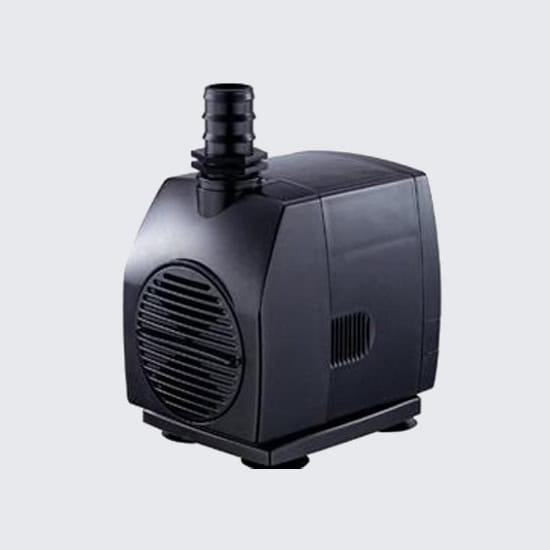
Put your fountain submersible pump in the wrong spot, and you’ll regret it. Poor placement kills performance, shortens pump life, and creates maintenance headaches you don’t need.
Most people just drop the pump wherever it fits. Then they wonder why the fountain barely works, or why the pump dies after one season. Placement matters more than you think.
Here’s what you need to know.
Center Position vs. Off-Center: Does It Matter?
Centering your fountain submersible pump in the basin seems logical. Water surrounds the pump equally from all sides. This creates balanced intake and reduces the chance of sucking air.
Off-center placement can work if your basin shape demands it. Rectangular or irregular basins sometimes force you to position the pump away from the geometric center. Just make sure the pump sits where the water depth stays consistent.
The real issue is the distance from the walls. Place the pump too close to the basin edge, and you restrict water flow on one side. The pump pulls harder from the open side, creating uneven intake. This can draw in more debris from that direction.
Leave at least four inches of clearance on all sides if possible. Six inches is better for larger pumps. This gives water room to flow naturally toward the intake without creating turbulence or dead zones.
Depth Matters More Than People Realize
Your fountain submersible pump needs full submersion to work properly. The entire pump body should sit underwater, not just the intake. Running a partially submerged pump overheats the motor quickly.
How deep should the pump sit? Most manufacturers recommend at least two inches of water above the highest point of the pump. This prevents the pump from sucking air during operation or when water levels drop slightly.
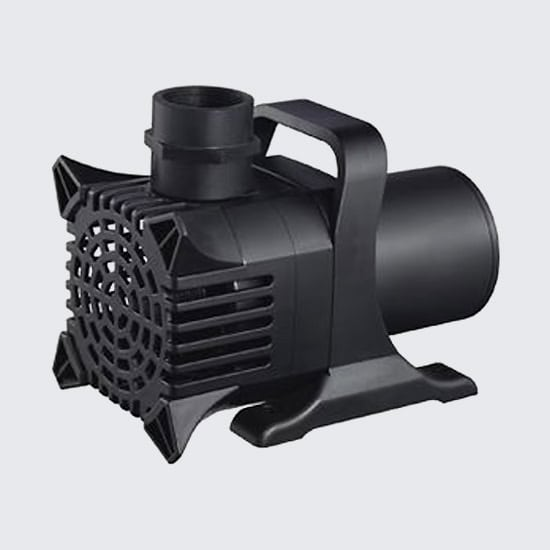
Deeper placement has advantages. The pump runs cooler because more water surrounds it. Sound dampens better with more water overhead. Debris floating on the surface stays farther from the intake.
But don’t bury the pump at the bottom of a deep basin just because you can. Maintenance becomes harder when you need to dig around for the pump. Find a balance between depth and accessibility.
The Debris Problem and Intake Orientation
Leaves, twigs, dirt, and algae settle at the bottom of every fountain basin. Your pump sits right where all this junk accumulates. That’s a problem.
Placing the fountain submersible pump directly on the basin floor guarantees maximum debris intake. Every bit of sediment gets pulled into the pump eventually. You’ll clean the filter weekly or watch performance drop.
Raise the pump off the bottom. Use bricks, flat stones, or a purpose-built pump stand. Even two inches of elevation makes a difference. Debris settles below the intake level instead of getting sucked in constantly.
Avoiding Turbulence and Air Pockets
Turbulence reduces pump performance. When water churns and swirls near the intake, the pump can’t pull smoothly. You get air bubbles, cavitation, and reduced flow.
Position your fountain submersible pump away from where the return water hits the basin. If your fountain sprays water back down into the same basin, that creates surface turbulence. Keep the pump intake away from this splash zone.
Water falling directly onto the pump also introduces air. Those tiny bubbles get pulled into the intake and reduce the pump’s ability to move water. The pump works harder to achieve the same output.
Corner placement sometimes creates dead zones where water barely moves. Stagnant areas develop algae faster and accumulate more debris. If you must place the pump in a corner, angle it so the intake faces open water.
See also: SEO Services in Dubai: Driving Digital Growth in the Heart of the Middle East
Cable Management Affects Placement Options
The power cord limits where you can put your fountain submersible pump. You need enough length to reach from the pump to your outlet without pulling tight or creating trip hazards.
Route the cable along the basin edge if possible. Keep it away from the fountain’s visual focal point. Nobody wants to see electrical cords running through their water feature.
Access for Maintenance Should Guide Your Decision
You’ll need to pull the fountain submersible pump for cleaning eventually. Multiple times per season if your water quality is poor. Easy access saves time and frustration.
Pumps placed in the center of large basins require reaching or wading. Can you reach the pump without stepping into the water? If not, you’ll avoid maintenance longer than you should.
Pumps hidden under decorative rocks or plants look better, but become inaccessible. You’ll move the same rocks repeatedly for every cleaning. This gets old fast.
Weight the pump down if needed, but don’t bury it. Loose gravel around the pump base provides stability while allowing quick access. You can brush aside gravel in seconds.
Summing Up
Wrong placement won’t necessarily break your fountain submersible pump immediately. But it degrades performance, increases wear, and leads to earlier failure. Getting the position right from the start saves money and hassle over the years ahead.