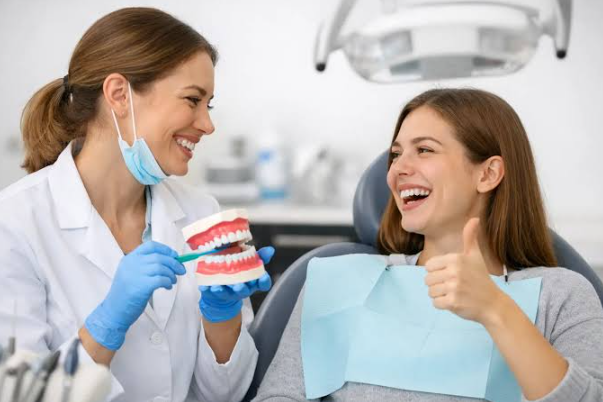
You brush, you rinse, you try to remember to floss, and then life gets loud. Work runs late, kids need something, your phone keeps buzzing, and oral care turns into one more thing you meant to do better. That is where a lot of people live between appointments, and a Bronxville & Yonkers, NY dentist understands that reality. You are not ignoring your teeth. You are managing a full life, and small habits often slip first.
The problem is that the time between checkups matters more than most people think. Plaque keeps building, gums react quietly, and a small sore spot can turn into a cavity or a cracked filling before your next visit. Good home care does not replace a dentist, but it does protect the work your dentist does and lowers the chance that a routine visit turns into a bigger fix. These preventive dental care tips support cleaner teeth, calmer gums, and fewer surprises in the chair.
Daily oral hygiene habits shape what happens at your next appointment
A lot of dental problems do not start with pain. They start with a film of plaque that sits at the gumline, hardens into tartar, and creates inflammation you may not notice right away. Gums bleed a little when you floss, so you skip flossing. A back tooth feels sensitive to cold, but only sometimes, so it does not feel urgent. That pattern is common, and it is exactly how minor issues grow.
The National Institute of Dental and Craniofacial Research recommends brushing twice a day with fluoride toothpaste and cleaning between teeth daily because those simple steps remove food and plaque where a toothbrush cannot reach. Their oral hygiene guidance is straightforward, and that is part of the point. Prevention is not fancy. It is consistent.
If you have ever felt like you are doing enough because your teeth look fine in the mirror, that can be misleading. Gum inflammation often starts before there is a visible change. Enamel wear can happen slowly. A filling can weaken around the edges with no clear warning. Between dental visits, your routine is either slowing those problems down or feeding them.
See also: How Denture And Implant Dentistry Improves Quality Of Life
Six preventive tips help reduce decay, gum irritation, and avoidable dental work
1. Brush for two full minutes, twice a day. Quick brushing misses the gumline and back molars, where plaque tends to stay. Use a soft bristle brush and fluoride toothpaste. If you rush in the morning, set a timer. Two minutes feels longer than most people expect.
2. Clean between your teeth every day. Floss, interdental brushes, or a water flosser can all help, depending on spacing and dental work. If traditional floss feels awkward, that does not mean you give up. It means you use a tool you will stick with.
3. Watch how often sugar and acid hit your teeth. Sipping soda, sports drinks, sweet coffee, or energy drinks over hours is rough on enamel. Frequent exposure matters more than one dessert with a meal. Water between meals helps clear the mouth and dilute acids.
4. Do not ignore dry mouth. Saliva protects teeth by washing away food and balancing acids. Dry mouth can come from medications, mouth breathing, or dehydration. If your mouth feels sticky or you wake up dry, that is worth addressing before cavities start forming faster.
5. Protect your teeth from grinding and impact. Night grinding can wear enamel, chip edges, and create jaw soreness. Sports can do obvious damage fast. A custom or store bought mouthguard can prevent problems that are expensive and painful to fix.
6. Pay attention to small changes. Bleeding gums, a rough edge on a tooth, new sensitivity, bad breath that does not go away, or a sore that lingers all deserve attention. The CDC shares practical oral health tips for adults that reinforce how everyday signs can point to bigger issues if ignored.
These are not dramatic steps. That is why they work. The best oral health tips for adults are the ones that fit into real life and keep damage from building quietly.
Home care and professional dental care work best together
People sometimes frame this as one or the other. If you brush well, do you really need cleanings? If you get regular cleanings, can you relax at home? Neither approach holds up for long. Home care disrupts plaque every day. Professional care removes hardened buildup, checks for decay, evaluates gums, and catches changes in restorations, bite, and soft tissue that you are unlikely to spot on your own.
| Between Visits Habit | What It Helps Prevent | Limits of Home Care |
|---|---|---|
| Brushing with fluoride toothpaste | Plaque buildup, early enamel weakening, surface stains | Cannot remove tartar once it hardens |
| Daily flossing or interdental cleaning | Gum irritation, decay between teeth, trapped food | Technique matters, and missed areas still collect plaque |
| Drinking more water and cutting frequent sugar | Acid attacks, dry mouth related decay, bad breath | Does not repair existing cavities or damaged enamel |
| Mouthguard use for grinding or sports | Chips, wear, fractures, jaw strain | Does not treat the cause of grinding or prior damage |
| Regular visits with a general and cosmetic dentist | Missed decay, gum disease progression, failing fillings | Works best when supported by steady home habits |
For broader patient friendly guidance, MedlinePlus dental health resources cover common conditions, prevention, and signs that should not wait.
Small actions now can make your next dental visit easier
Build one routine you can repeat. Pair brushing and flossing with fixed parts of your day, not motivation. Brush after breakfast and before bed. Floss before your evening routine. When the habit has a place, it is easier to keep.
Change what keeps tripping you up. If floss hurts, try floss picks or interdental brushes. If your mouth feels dry, carry water and ask about products that support moisture. If you clench at night, bring it up before a cracked tooth forces the issue.
Track one symptom instead of dismissing five. Write down when sensitivity started, which tooth feels rough, or how often your gums bleed. That note gives your dentist something useful to work with, and it helps separate a passing irritation from a pattern that needs care.
Steady prevention supports healthier teeth and fewer surprises
Most people do not need perfect habits. They need habits that hold up on normal days, busy days, and tired days. That is how dental prevention works in real life. A few steady choices between appointments can lower the risk of decay, protect your gums, and make treatment simpler if something does come up.
If you have noticed bleeding, sensitivity, dry mouth, or changes that keep coming back, do not wait for them to get louder. Schedule a visit with a general and cosmetic dentist and get clear answers before a small issue turns into a bigger one.