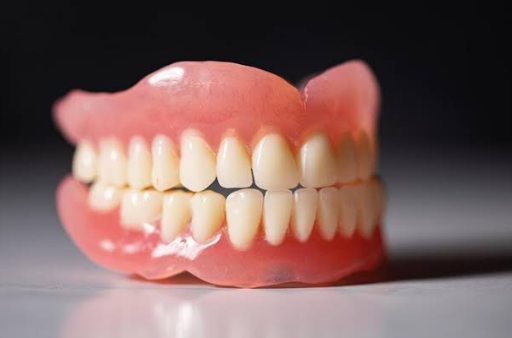
You may already know the feeling. Eating takes more effort than it should, certain words come out differently, and smiling in photos can make you self conscious in a way that is hard to explain to anyone who has not dealt with missing or failing teeth. It is not only about appearance. It can affect comfort, nutrition, confidence, and the small routines that make a day feel normal. A Scarsdale dentist who focuses on denture and implant dentistry helps restore more than teeth. It helps restore ease, function, and a sense of control.
When teeth are missing or loose, people often start adapting without meaning to. You chew on one side, avoid apples, nuts, steak, or crusty bread, and turn down social plans that involve meals. You may speak less in meetings or cover your mouth when you laugh. Those adjustments add up. A skilled denture and implant dentist looks at the whole picture, then recommends options that match your health, goals, and budget.
Denture and implant solutions change daily comfort and confidence
Missing teeth can set off a chain reaction. The jawbone in that area can shrink over time, nearby teeth may shift, and dentures that once fit well can start to rub or slip. That creates sore spots, frustration, and the constant awareness that something in your mouth does not feel secure. For many people, that stress sits in the background all day.
Dentures can replace several teeth or a full arch, and modern designs are often more natural looking and comfortable than people expect. Implants add stability by acting like artificial tooth roots placed in the jaw. In some cases, implants support a crown for one missing tooth. In other cases, they anchor a denture so it feels far more secure during eating and speaking. This is where implant and denture treatment can make a clear difference in quality of life.
The emotional side matters too. If you have been living with tooth loss for a while, you may have gotten used to feeling older than you are, or less like yourself. Replacing teeth often improves social confidence because you are no longer worrying about movement, gaps, or discomfort every time you smile or sit down to eat.
Oral function affects nutrition, speech, and long term health
Chewing well is not a luxury. It affects what you can eat, how well you digest food, and whether you get enough variety in your diet. People with missing teeth or unstable dentures often choose softer foods, which can mean fewer raw vegetables, fruits, nuts, and lean proteins. Over time, that can limit nutrition in ways that are easy to overlook.
Speech can change too. Teeth help form sounds, especially when the tongue meets the front teeth or when airflow needs a certain shape inside the mouth. If you have noticed whistling, slurring, or trouble with certain words, that is not vanity. It is function. A well planned restoration can improve clarity and make everyday conversations feel less tiring.
Good care after treatment matters just as much as the treatment itself. The CDC shares practical oral health tips for adults that support long term mouth health. The National Institute on Aging also offers advice on taking care of your teeth and mouth, including common age related concerns. If dentures are part of your plan, MedlinePlus explains how dentures work and how to care for them in plain language.
A denture and implant dentist can match treatment to your real life
There is no single right answer for everyone. Some people need a full denture after years of failing teeth and repeated repairs. Some want to replace one missing tooth without affecting the teeth next to it. Some are tired of a lower denture that moves every time they eat and want implant support for better retention. The best plan depends on bone health, gum condition, medical history, habits like smoking or grinding, and what daily life actually looks like for you.
Cost is often the hardest part to sort through because the cheapest option up front may not feel affordable later if it needs frequent adjustments, replacement, or leaves you avoiding foods you enjoy. That does not mean implants are always the answer. It means the decision should be based on value over time, not only the first number you hear.
Comparing dentures and implants in everyday use
| Option | Best Fit | Daily Feel | Maintenance | Long Term Considerations |
| Traditional dentures | Multiple or full tooth replacement with lower initial cost | Can restore appearance and basic chewing, may shift or rub | Remove for cleaning, periodic relines or replacement | Jawbone changes can affect fit over time |
| Implant supported dentures | People who want more security with a denture | More stable for eating and speaking | Clean attachments and gum tissue carefully | Often improves comfort and retention significantly |
| Single or multiple dental implants | One or several missing teeth with adequate bone support | Feels closer to natural teeth for many patients | Brush, floss, and keep regular dental visits | May help preserve bone in the treated area |
Tooth replacement options are easier to understand when you picture your own routines. If you want to eat corn on the cob, speak confidently at work, and stop worrying that your denture will move during dinner, stability matters. If surgery is not right for you, a well made denture may still bring major relief and a strong improvement in daily life.
Three steps you can take right away
1. List the problems you deal with each day. Write down what is hardest right now. Maybe it is chewing, sore spots, embarrassment, loose teeth, or avoiding certain foods. That list helps focus the conversation on quality of life, not only on teeth.
2. Ask for a full treatment comparison. During a consultation, ask for the pros, limits, expected lifespan, maintenance, and total likely costs of each option. Include what happens if you do nothing for another year. That question often brings real clarity.
3. Protect the health you have now. Keep your mouth as healthy as possible while you decide. Clean dentures properly, brush remaining teeth and gums, stay current with exams, and address pain or infection early. Waiting on treatment does not mean ignoring care.
See also: How Trucking and Bus Accident Claims Require Deeper Investigation
Better oral function can make life feel normal again
Living with missing teeth or unstable dentures can wear you down quietly. You should not have to plan meals around discomfort or hold back your smile because you do not trust what your teeth will do. The right denture and implant dentist can help you find an option that fits your mouth, your health, and your life, so eating, speaking, and smiling feel easier again.
If you are ready to move forward, schedule a consultation and ask for a clear plan built around your daily needs.