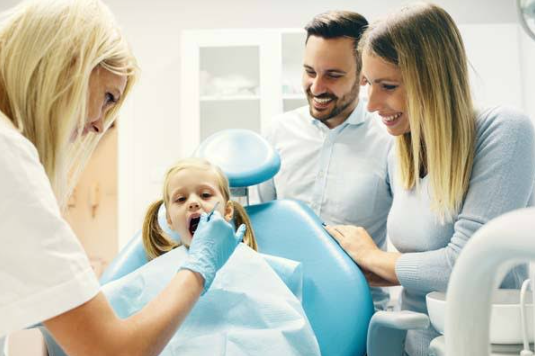
You are probably already keeping track of school forms, snack choices, bedtime routines, and a dozen little things that can fall apart if you miss one step. Oral care often lands in that same crowded space, especially when you are trying to stay on top of dentistry in Euless, TX. You remind your child to brush, you wonder if they are doing it well, and you try to notice problems before they turn into pain, missed school, or a bigger bill. That is a lot to carry.
A family dentist helps take some of that pressure off. Instead of piecing together advice from different places and reacting when something hurts, you get one steady place for checkups, prevention, and age appropriate guidance. For parents, that often means fewer surprises, clearer routines, and better odds of catching problems early.
Family dental care simplifies care for every age
One of the biggest reliefs with a family dental practice is convenience. You are not juggling separate offices for a toddler, a teenager, and yourself. Care happens under one roof, which cuts down on scheduling headaches and makes regular visits easier to keep.
That matters more than it may seem. Kids do better with routines, and dental care is no different. When appointments become a normal part of family life, they feel less scary and less optional. A child who sees the same office regularly is often calmer in the chair, and that gives the dentist a better chance to spot issues early, from weak brushing habits to bite changes and cavities that are still small.
The child dental health guidance from MedlinePlus also supports what many parents already suspect. Prevention works best when it starts early and stays consistent. A family dentist helps you keep that consistency without turning it into another weekly struggle.
Preventive care lowers the chance of painful surprises
Most parents are not worried about teeth in the abstract. They are worried about the phone call from school, the child who stops chewing on one side, or the bedtime tears that start with, “My tooth hurts.” Those moments are stressful because they come fast and usually at the worst time.
Regular cleanings, exams, fluoride treatments, and sealants reduce the chance that a small issue turns into an urgent one. That is one of the clearest benefits of family dental care. It is not only about keeping teeth clean. It is about lowering the odds of pain, infection, sleep disruption, and expensive treatment later.
The CDC offers oral health tips for children that line up with what family dentists reinforce every day, including brushing with fluoride toothpaste, limiting sugary drinks, and building healthy habits early. Parents often know these basics already. The hard part is applying them in real life when your child hates brushing or snacks constantly. A family dentist can turn broad advice into a realistic plan for your household.
Parents get guidance that fits real life
Generic dental advice sounds simple until you try to use it with an overtired four year old or a middle schooler with braces. Brush twice a day. Floss daily. Avoid sugar. Those are good rules, but they do not answer the practical questions that come up at home.
What if your child gags every time you floss their teeth? What if thumb sucking is still happening at night? What if they grind their teeth, breathe through their mouth, or fight every single brushing session?
A family dentist gives you specific guidance based on your child’s age, habits, and risk level. That makes a difference. You stop guessing and start adjusting. Sometimes a small change in toothbrush size, brushing position, or timing can end a daily battle. Sometimes a dentist sees a pattern you would never catch on your own, like enamel wear or early gum irritation.
You can also use trusted sources at home between visits. The National Institute of Dental and Craniofacial Research shares practical oral hygiene tips that help support what your dentist recommends.
Family dentists help parents manage cost before treatment gets bigger
Dental costs feel easier to handle when they are predictable. A routine exam and cleaning are one thing. A filling, crown, or emergency visit after months of delay is something else. Parents often postpone appointments because life is busy, then end up paying more in time, money, and stress.
Seeing a family dentist regularly helps you plan ahead. You are more likely to hear, “We should watch this area,” instead of, “This needs treatment now.” That warning window matters. It gives you time to ask questions, check insurance, and schedule care before the problem grows.
This is where an oral care provider for families becomes more than a convenience. They become a steady point of reference, someone who knows your family history, tracks changes over time, and helps you make decisions before things feel urgent.
Clear routines at home become easier to keep
Parents know that home care is where most of the work happens. Two minutes of brushing can somehow turn into ten minutes of arguing. Flossing can feel impossible. A child says their teeth are clean, but the plaque says otherwise.
A good family dentist does not just clean teeth and send you home. They help create routines your child can actually follow. For younger kids, that may mean showing you how to angle the brush and how much toothpaste to use. For older kids, it may mean explaining consequences in a way they will hear better from someone other than a parent.
That outside voice matters. Children often take health advice more seriously when it comes from a professional they trust. Over time, those repeated messages build habits that stick. That is one of the simplest ways a family dentist makes life easier. You are not carrying the full burden of teaching, reminding, and correcting on your own.
At home care and family dental visits work best together
| Approach | What It Helps With | Limits Parents Often Run Into |
|---|---|---|
| At home brushing and flossing | Daily plaque control, habit building, fresher breath | Technique issues, missed spots, resistance from kids |
| Routine family dental visits | Professional cleanings, early cavity detection, sealants, fluoride, bite monitoring | Needs scheduling and regular follow through |
| Waiting until there is pain | Immediate response to obvious problems | Often means more treatment, more stress, and higher cost |
Small steps now can make family oral care easier fast
Book routine visits before there is a problem. Put dental checkups on the calendar the same way you handle school and pediatric visits. Preventive care is easier on your child and easier on your budget than emergency treatment.
Create one simple home routine. Pick brushing times that happen every day without debate, usually after breakfast and before bed. Keep floss picks, a timer, and kid sized toothbrushes where you can reach them fast.
Bring your real questions to the appointment. Ask about snacks, thumb sucking, mouth breathing, grinding, braces, or brushing battles. The more specific you are, the more useful the advice will be.
Parenting already asks you to think three steps ahead. Dental care feels lighter when you have a plan, steady support, and someone helping you catch problems early. A family dentist can make that part of life more manageable, more predictable, and a lot less stressful.