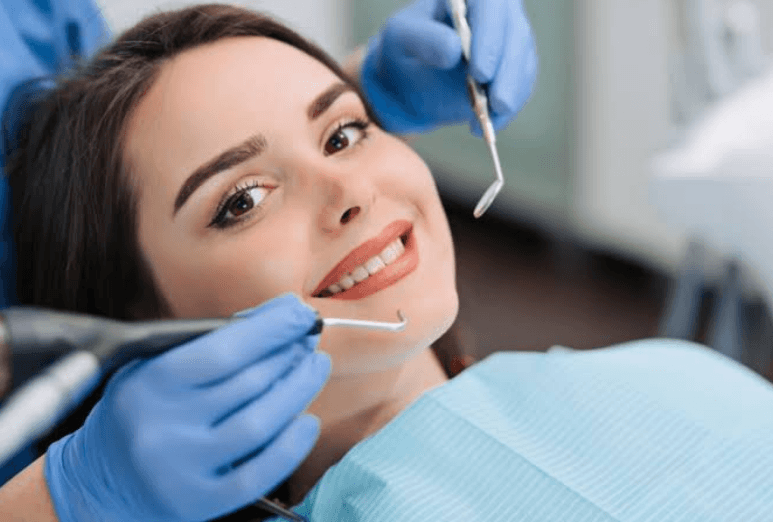
You might be thinking baby teeth do not matter all that much because they fall out anyway, or that dental visits can wait until a child is older and easier to manage. That is a common thought, especially when you are already juggling sleep, meals, school, and everything else family life asks of you. Then a small spot on a tooth, a complaint about pain, or a hard time brushing can shift the whole picture fast. What seemed easy to put off can suddenly feel urgent, and finding a trusted dentist in Mequon, WI can become an important next step.
The short version is simple. Early care helps protect your child from pain, avoidable treatment, missed school, and habits that are harder to fix later. Preventive dental care is not about doing too much too soon. It is about giving children a steady start, so small issues stay small and healthy routines feel normal from the beginning.
Why does early preventive dentistry matter so much for children?
It helps to start with one truth. Cavities are not just an older kid problem. Young children can get tooth decay, and when it happens early, it can affect eating, sleeping, speaking, and even confidence. Because of this, waiting for pain is rarely the safest plan. Pain usually means a problem has already had time to grow.
According to the HRSA guidance on oral health for young children, dental care should begin earlier than many parents expect. That early start gives families a chance to learn how to clean teeth well, what feeding habits raise risk, and when fluoride may help. It also helps children see the dentist as a normal part of life, not something that only happens when something hurts.
So, where does that leave you if your child seems fine right now? In a better place than you may think. Prevention works best before there is a visible problem. A child who looks comfortable can still have plaque building up, weak spots in enamel, or habits like falling asleep with milk or juice that slowly increase decay risk.
What can happen when family dental care starts too late?
When care is delayed, the costs are not only financial. A small cavity may turn into a filling, then a crown, then an emergency visit if infection or swelling shows up. That can mean time off work, missed class, stress for the child, and fear around future appointments. It can also create guilt for parents, even when the delay came from busy schedules or the honest belief that waiting was fine.
There is also the habit side of the story. Children learn routines early, and brushing is easier to build into daily life when it starts before resistance sets in. If a child only hears about teeth when there is a problem, oral care can start to feel like punishment instead of routine care. That is one reason early dental prevention matters so much. It protects teeth, but it also shapes attitude.
The MedlinePlus tips for caring for your child’s teeth explain that cleaning should begin even before all the teeth come in. That advice surprises many parents, but it makes sense. Oral health starts long before a child can brush alone.
What does preventive dental care actually look like at each stage?
Prevention is usually less dramatic than people expect. It often means wiping gums, brushing with the right amount of fluoride toothpaste, watching sugary drinks and sticky snacks, and keeping regular checkups with a family dentist. It also means learning what is normal for your child’s age and what deserves a closer look.
The CDC oral health tips for children reinforce the basics that matter most, including brushing twice a day, flossing when teeth touch, and choosing water over sugary drinks when possible. These steps sound simple, and that is the point. Good prevention usually comes from steady habits, not complicated routines.
How does early prevention compare with waiting until there is a problem?
Sometimes it helps to see the difference side by side. If you are wondering whether early visits are really worth it, this is usually where the answer becomes clear.
| Approach | What It Usually Involves | Likely Outcome |
| Early preventive care | Regular checkups, brushing guidance, fluoride advice, diet review, early habit building | Lower risk of cavities, less fear, fewer surprise costs, easier routines at home |
| Waiting for symptoms | No visit until pain, visible decay, swelling, or sensitivity appears | Higher chance of treatment needs, stronger anxiety, more disruption to family life |
| Home care without professional support | Brushing and limiting sugar, but no regular dental guidance | Better than doing nothing, but easy to miss early warning signs or age specific advice |
That is why many parents find that a family dentist becomes part of prevention, not just treatment. You get a clearer sense of timing, risk, and what your child needs now instead of guessing.
What can you do right now to protect your child’s smile?
1. Start with the routine you can keep.
Brush twice a day and use the amount of fluoride toothpaste that fits your child’s age. If your child resists, keep it calm and consistent. A short routine done every day is better than a perfect routine done once in a while.
2. Look at snacks and drinks with fresh eyes.
Frequent sipping and grazing can keep teeth under constant attack, even when the food seems harmless. Water is usually the safest choice between meals. Save sweet drinks and treats for limited times instead of all day access.
3. Schedule a preventive visit before there is pain.
This is where preventive dentistry becomes practical. A visit gives you a chance to ask about brushing, fluoride, thumb sucking, spacing, and any spots you are unsure about. It can also help your child build trust before treatment is ever needed.
See also: How General Dentistry Protects Oral Health Across Every Stage Of Life
Why preventive dentistry should begin earlier than you think comes down to one simple idea
Children do better when care begins before trouble begins. That is true for routines, comfort, cost, and confidence. If you have been waiting because nothing seems wrong yet, you are not behind. You are simply at the point where a small step now can prevent a much harder one later.
If you are ready to make oral health feel simpler and less stressful, consider booking a visit with a family dentist and getting a plan that fits your child’s age and needs.