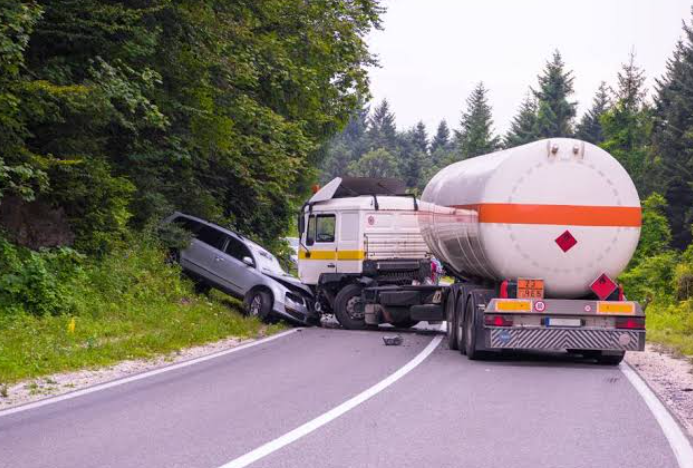
Truck and bus crashes rarely produce a complete story at the scene. Sheer vehicle weight, long stopping distance, and company record control can hide fault within hours. A brief police report may capture impact points, yet may miss inspections, unsafe scheduling, driver fatigue, or loading errors. Strong claims usually depend on rapid evidence preservation, careful record review, and a clear link among physical damage, operating history, and witness recollections gathered soon after the collision.
Early Proof
Important evidence can disappear quickly after a commercial crash. Dispatch texts, engine data, and inspection reports may change hands before injured people know what exists. That risk explains why many families turn to personal injury attorneys from the Earley Law Group after a severe wreck: early legal action can secure records, prevent routine destruction, and preserve the evidence needed to test a carrier’s account against objective facts.
More Than One Record
A passenger car claim may rest on photos and statements. Commercial cases leave a much wider trail. Electronic logging records, toll entries, fuel purchases, route plans, and delivery deadlines can show whether a driver worked past safe limits. Video from nearby businesses, dash cameras, or terminal yards may also reveal speed, lane position, braking response, and weather judgment before impact.
Federal Rules Shape Fault
Truck and bus operators answer to safety rules that private motorists never face. Hours of service limits, inspection duties, hiring standards, drug testing, and repair documentation can all affect liability. A company that skipped checks or kept an unfit driver on the road may expose a larger pattern of unsafe conduct. That wider history can change how fault is evaluated and how damages are argued.
See also: How Family Law Cases Involving Narcissistic Conflict Work
The Vehicle Holds Clues
The vehicles themselves often answer disputed questions. Tire wear, brake condition, steering components, lighting systems, and trailer connections may indicate whether a mechanical failure contributed to the wreck. Event data from onboard modules can help track speed, throttle use, seat belt status, and hard braking. Road gouges, scrape marks, shattered parts, and cargo spread often confirm movement better than conflicting recollections do.
Bus Claims Bring Extra Layers
Bus cases can involve added factual questions because passengers, operators, owners, and maintenance providers may all be separate parties. School routes, charter schedules, city transit runs, and tour operations each create different records. Interior surveillance, boarding logs, stop timing, and driver training files may matter right away. A fair review must identify who controlled the vehicle, the route, and the repair history.
Witness Memory Shrinks Fast
Memory changes quickly after trauma. Passengers may remember sharp swerving, repeated lane drift, a burning odor, or phone use in the first hour, then lose those details days later. Nearby drivers often leave before officers collect full statements. Early interviews can preserve sensory facts that later testimony may soften. Camera requests also matter because many businesses overwrite footage on short retention cycles.
Liability May Be Shared
Commercial crash liability often extends beyond one driver. A carrier may have pushed an unrealistic delivery window or ignored prior safety warnings. A shipper might have loaded freight in a way that changed the balance during braking. A repair shop could have missed worn components during service. In some cases, a broker, contractor, or public entity also controls a piece of the factual record.
Damages Need Full Context
Serious injuries from large vehicle impacts often involve long treatment courses, future care needs, and lasting work restrictions. Medical records should be tied to daily function, pain patterns, sleep disruption, mobility loss, and expected rehabilitation. Brain injury, spinal trauma, internal bleeding, and multiple fractures may not show their full effect immediately. Careful documentation helps connect present symptoms with future financial and physical harm.
Conclusion
Truck and bus accident claims require far more than an insurance exchange and a scene diagram. They demand immediate preservation work, disciplined review of operating records, and close study of vehicle data, witness recollections, and compliance with safety rules. Cases often rely on details hidden outside the crash report. When those details are secured early, injured people and grieving families have a stronger basis for seeking fair legal recovery.