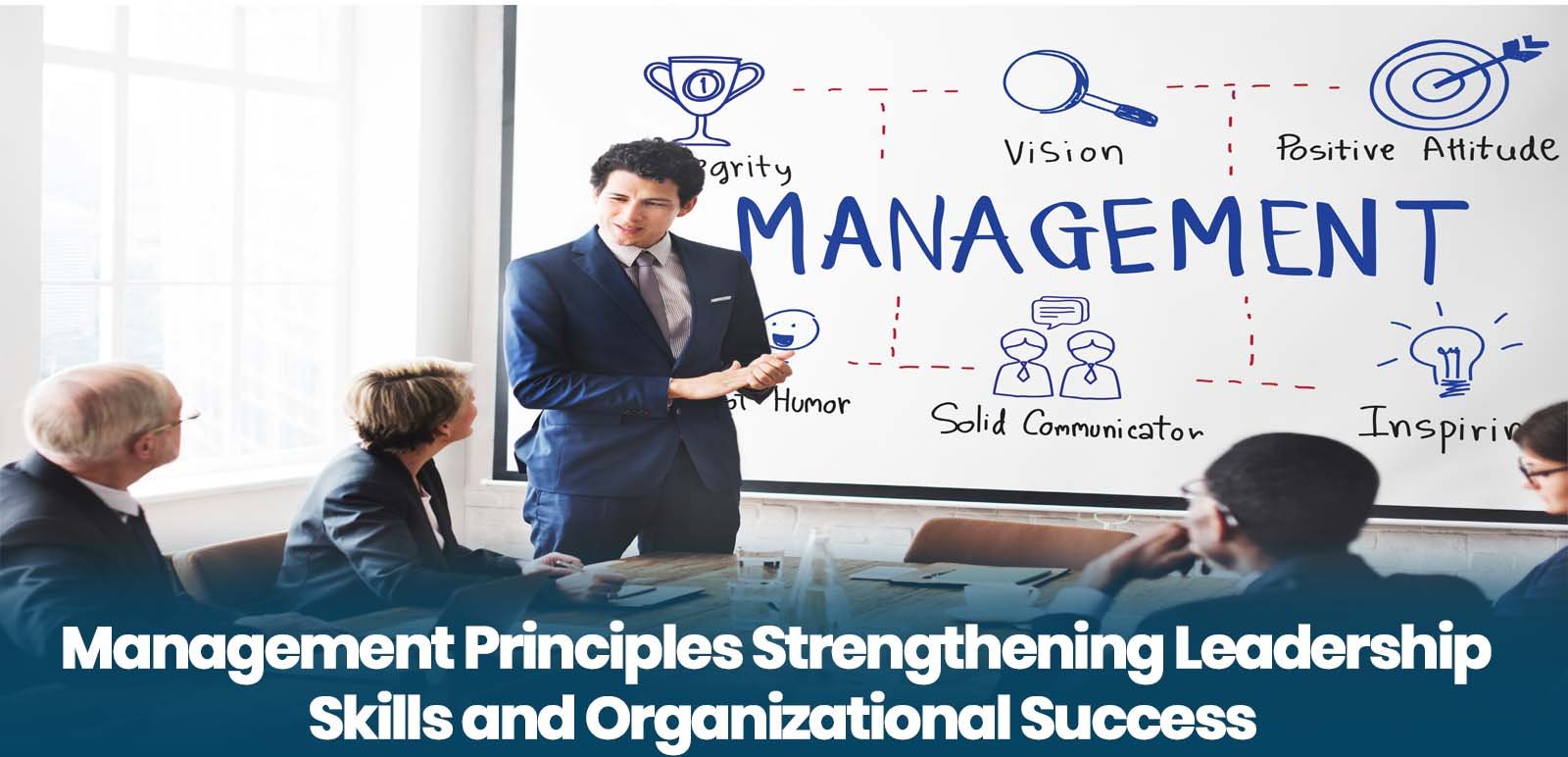
Leadership is the driving force behind organizational achievement, yet many overlook the structured practices that make leaders effective. The essence of success lies in applying Management Principles Strengthening approaches that transform managers into visionaries who inspire teams and align goals. When leaders embrace these principles, they cultivate trust, accountability, and innovation.
Leadership is not about titles; it is about influence and the power to shape collective success.
The Foundation of Leadership
Good leaders have a clear sense of purpose. Leaders who can articulate goals precisely establish direction for their people. They set standards, set expectations, and make sure everyone knows their responsibilities. Good leaders do not command; they lead and set a vision for others to follow, so that everything done helps build an organization.
Communication as a Cornerstone
Communication is more than just the exchange of information; it entails trust-building and forming connections. Good leaders are good communicators and active listeners who create an environment where people feel appreciated. Communication promotes creativity and helps solve problems while avoiding misunderstandings. For learners exploring leadership theories, platforms offering assignment help UK provide structured guidance to understand how communication enhances organizational success. Effective communication is the key to moving from vision to execution.
Decision-Making and Accountability
Successful leaders are confident while being accountable. They make decisions after considering all the pros and cons and different views, choosing what aligns with the organizational values. Accountability ensures that the decision is not only made but also justified. It helps them establish connections with team members and earn their trust.
Motivation and Team Empowerment
Motivation is what drives performance. Managers who celebrate accomplishments and help grow skills motivate employees to do better than expected. Empowerment occurs when managers delegate tasks, trust their team members, and give them opportunities to develop their skills. It leads to a sense of ownership of results by the people. Motivation is not just about rewards but about giving work meaning.
The Role of Management Principles
Organizations thrive when leaders apply structured frameworks to guide their actions. By embracing Management Principles Strengthening strategies, leaders ensure consistency in decision-making, fairness in operations, and resilience in times of change. These principles serve as a guide, directing leaders toward behaviors that ensure sustainability. A leader who lacks principles risks becoming inconsistent, while a principle-based leader remains stable. The principle-based framework is flexible and dynamic enough to allow for change.
Building Organizational Culture
Culture is the intangible element that influences behavior. Leaders who model integrity, respect, and collaboration set the culture of their organizations. Culture influences recruitment, employee retention, and productivity. This takes time and requires a process that entails continuous actions based on values. Culture is the essence of any organization, while leaders are the creators of that culture. Leaders who develop culture create work environments where people belong, are inspired, and feel proud of contributing.
Continuous Learning and Adaptability
The process of leadership is dynamic and changes with the situation. Learning enables a leader to cope with new technologies, developments in markets, and the current global trends. For students and professionals, resources such as management assignment help provide insights into adapting leadership practices to modern organizational needs. It is necessary for the leader to be flexible to stay relevant. The process of learning cannot be overlooked; it forms the bedrock of resilience.
Conflict Resolution and Emotional Intelligence
It is impossible to avoid conflicts, but leaders with emotional intelligence can handle them positively. They can interpret emotions, show empathy and lead others towards a solution. Emotional intelligence enhances relationships and keeps conflicts from getting out of hand. It is through this skill that leaders can create a state of harmony in their organizations. Conflict management does not mean the avoidance of conflicts; it means turning conflicts into a positive experience.
Practical Application in Workplaces
Leadership is put to the test day to day. This can range from meeting deadlines to handling crisis situations; leadership requires consistency and fairness. For learners navigating complex leadership models, platforms offering write my assignment services simplify theories and provide practical examples that connect academic learning with workplace realities. Leadership is not abstract but very practical and tangible.
Innovation and Strategic Vision
Leaders drive innovation to create success within organizations. Strategic vision helps leaders forecast trends, capture opportunities, and plan for problems. Innovation is not only about using technological advancements; rather, it means thinking outside the box and creating solutions. Leaders who encourage innovation create an atmosphere of innovation because their strategic vision serves as the guiding principle. Innovation enables organizations to stay ahead of the game. Leaders who innovate lead organizations towards success.
Ethics and Integrity in Leadership
Integrity forms the basis of trust. Leaders who lead with integrity set standards in their organizations. They ensure that integrity prevails in all decisions. Ethical leadership not only contributes to a good organizational culture but also improves the organization’s reputation. Trust based on integrity is one of the greatest assets an organization may have. Integrity is a requirement, not a choice.
See also: Can Battery Backups Reduce Your Energy Bills?
Collaboration and Team Synergy
Collaboration converts individual success into collective success. Leaders who practice collaboration leverage the different talents and ideas of individuals. Synergy results from the collective strength of individuals in meeting the same objective. The process of collaboration increases creativity, efficiency, and effectiveness, thereby enabling an organization to succeed in a competitive environment. Collaboration is more than just working together; it is about succeeding together.
Leadership Challenges and Resilience
All leaders encounter various obstacles, including economic hardships, organizational changes, and global threats. Resilience is the capacity to handle pressure while maintaining focus. Being calm, assertive, and compassionate, resilient leaders help guide their organizations through times of uncertainty. Resilience does not mean the absence of problems, but rather how to deal with them despite all the pressures encountered.
Conclusion
Leadership is not a destination but a journey of growth, responsibility, and transformation. By applying Management Principles Strengthening approaches, leaders cultivate environments where individuals and organizations thrive together. Success is achieved when leaders embody discipline, empathy, and adaptability. Leadership is not a privilege it is a responsibility that shapes the destiny of every organization.
True leadership is not about commanding it is about inspiring, guiding, and leaving a legacy of success.